When comparing LiFePO4 and traditional lithium-ion batteries, understanding their respective lifespans is vital for making informed decisions about long-term energy storage solutions. Both types have distinct chemistry and design features that influence durability, but the real-world performance often varies based on application and maintenance. To fully grasp their advantages and limitations, it’s essential to analyze factors like cycle life, operational stability, and cost-effectiveness—details that can greatly impact your choices.
Key Takeaways
- LiFePO4 batteries typically last 2,000 to 5,000 cycles, equating to 8-10 years, whereas traditional lithium-ion batteries last around 300 to 500 cycles (2-3 years).
- The stable chemistry of LiFePO4 reduces degradation, extending lifespan compared to standard lithium-ion batteries.
- Proper maintenance and thermal management can significantly prolong the lifespan of both types, with LiFePO4 being more resilient.
- Faster capacity fade and safety concerns in lithium-ion batteries lead to shorter practical lifespans.
- Recycling and environmentally friendly disposal are easier for LiFePO4, supporting sustainable longevity.
How Do LiFePO4 and Lithium-Ion Batteries Differ in Composition and Design
While both LiFePO4 (lithium iron phosphate) and traditional lithium-ion batteries utilize lithium-based chemistries, their core compositions and internal structures differ considerably. LiFePO4 cells feature a cathode made from lithium iron phosphate, offering enhanced thermal stability and safety, whereas conventional lithium-ion batteries typically use layered transition metal oxides. These compositional differences influence manufacturing processes, affecting electrode fabrication and electrolyte formulation. Additionally, the distinct chemistry impacts battery recycling approaches: LiFePO4’s stable chemistry simplifies safe disposal and recycling, while traditional lithium-ion batteries require more complex procedures due to cobalt and nickel content. Understanding these structural and chemical distinctions is vital for optimizing manufacturing, improving recycling efficiency, and enhancing overall lifespan potential in various applications.
What Is the Typical Lifespan of Lithium-Ion Batteries in Real-World Use?
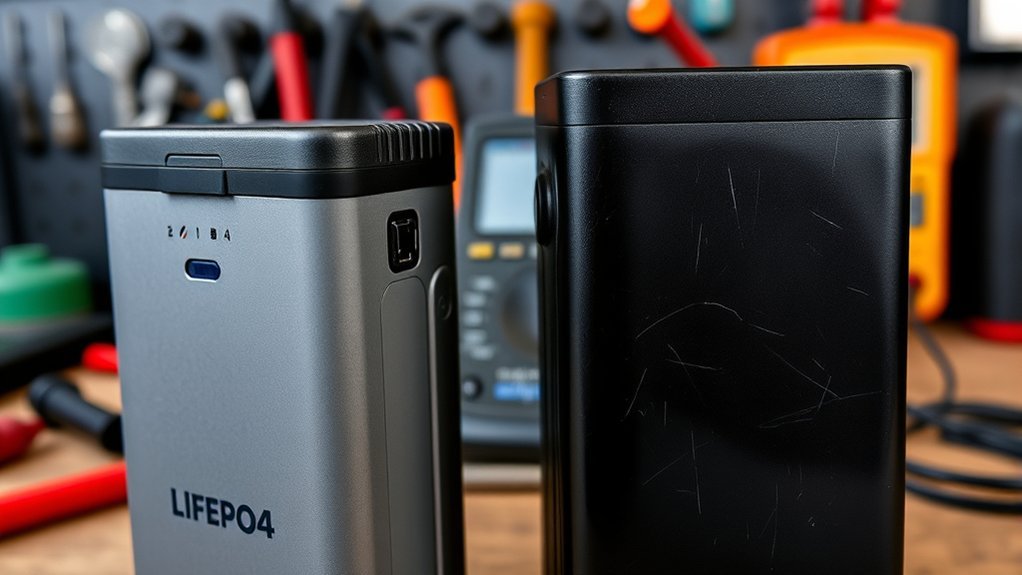
Lithium-ion batteries typically last between 300 to 500 charge cycles under real-world conditions, translating to roughly 2 to 3 years of regular use. Factors like temperature, charging habits, and usage patterns considerably influence lifespan. As batteries approach end-of-life, recycling becomes critical to mitigate environmental impact. Proper battery recycling reduces hazardous waste and recovers valuable materials, prolonging resource sustainability.
| Usage Factor | Effect on Lifespan |
|---|---|
| Temperature | Higher temps degrade batteries faster |
| Charge Rate | Fast charging accelerates aging |
| Discharge Depth | Deep discharges shorten life |
| Storage | Improper storage reduces capacity |
| Maintenance | Regular care extends lifespan |
Understanding these variables helps optimize lifespan and reduces environmental footprint through effective recycling.
How Long Do LiFePO4 Batteries Usually Last Across Applications?
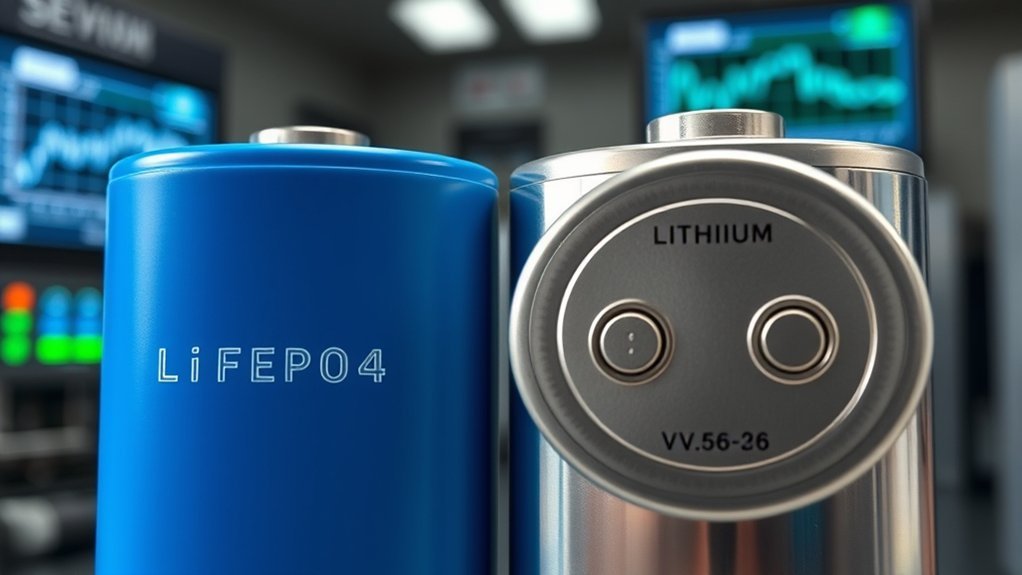
LiFePO4 batteries are known for their exceptional longevity across various applications, often surpassing the lifespan of traditional lithium-ion batteries. Typically, they last between 2,000 to 5,000 charge cycles, translating to 8-10 years of reliable service in solar, EV, or backup power systems. Their durability is linked to stable chemistry and lower degradation rates, which also minimize environmental impact over their lifespan. Manufacturing processes for LiFePO4 are more environmentally considerate, involving less toxic materials and producing fewer waste byproducts. Consequently, their extended cycle life reduces the frequency of replacements, lessening environmental burden. Overall, these factors contribute to a longer service life and a smaller ecological footprint, making LiFePO4 batteries a sustainable choice across diverse applications.
What Factors Influence the Durability and Longevity of Both Battery Types?
The durability and lifespan of LiFePO4 and lithium-ion batteries are primarily affected by charge cycle limitations, operating temperature ranges, and depth of discharge. Each factor influences how quickly battery capacity degrades over time, with temperature extremes and deep discharges accelerating wear. Understanding these variables allows us to optimize usage and extend the functional life of both battery types.
Charge Cycle Limitations
While both battery types are valued for their energy storage capabilities, their longevity is considerably influenced by charge cycle limitations, which are affected by multiple factors. Repeated charging and discharging induce stress on the cells, impacting their lifespan and overall performance. Factors that influence cycle durability include:
- Depth of Discharge (DoD): Greater DoD accelerates capacity fade, reducing usable cycles.
- Charging Rate: Fast charging can cause thermal stress, diminishing cycle life.
- Battery Management: Proper management extends cycle life, supporting sustainable battery recycling and minimizing environmental impact.
Understanding these factors helps optimize longevity and sustainability, ensuring batteries remain efficient longer. Recognizing charge cycle limitations is crucial not only for performance but also for reducing environmental impact through better recycling practices.
Operating Temperature Range
Operating temperature range considerably influences the durability and longevity of both lithium-ion and LiFePO4 batteries. Elevated temperatures accelerate degradation mechanisms, reducing cycle life and increasing capacity fade, while low temperatures hinder electrochemical reactions, impairing performance. Maintaining ideal operating conditions is essential for maximizing lifespan and ensuring effective battery recycling processes, which directly impact environmental impact. Lithium-ion batteries are more susceptible to thermal stress, potentially leading to thermal runaway if improperly managed, whereas LiFePO4 batteries exhibit greater thermal stability. Understanding these thermal sensitivities aids in designing systems that extend battery life and reduce waste. Proper thermal regulation minimizes the need for frequent replacements, thereby lessening environmental impact and supporting sustainable battery lifecycle management.
Depth of Discharge Effects
Depth of discharge (DoD) greatly influences the lifespan and durability of both lithium-ion and LiFePO4 batteries by affecting the extent of electrochemical stress imposed during each cycle. Higher DoD levels accelerate capacity fade and reduce overall cycle life, especially in lithium-ion variants. Conversely, maintaining lower DoD prolongs battery longevity, improving performance and reducing the frequency of replacements. This directly impacts environmental considerations, as longer-lasting batteries lessen the environmental impact of battery recycling by decreasing waste. Additionally, optimized DoD strategies can enhance sustainable use, minimizing resource depletion. Key factors include:
- The relationship between DoD and cycle life, affecting the total number of charge-discharge cycles.
- Implications for battery recycling, influencing the volume of end-of-life batteries.
- Environmental impact, with lower DoD extending battery lifespan and reducing waste.
Comparing Maintenance Needs and How They Affect Battery Lifespan
Maintenance frequency and effort directly influence battery lifespan by affecting performance and degradation rates. Lifepo4 batteries typically require less maintenance, which reduces the risk of user error and prolongs their service life. In contrast, lithium-ion batteries often demand more regular checks and conditioning, potentially impacting their longevity if not properly maintained.
Maintenance Frequency and Effort
Because maintenance routines directly influence battery longevity, understanding the differences in upkeep between Lifepo4 and lithium-ion batteries is essential. Lifepo4 batteries generally require less frequent maintenance, reducing the effort needed to optimize lifespan, whereas lithium-ion batteries demand regular monitoring of voltage and temperature to prevent degradation. This lower maintenance effort benefits not only operational costs but also facilitates easier battery recycling, minimizing environmental impact. Lifepo4’s stable chemistry reduces the need for balancing cycles, further decreasing maintenance frequency. Conversely, lithium-ion batteries may need more active intervention to manage capacity fade and safety concerns. These maintenance differences directly affect overall lifespan, emphasizing the importance of considering upkeep demands when evaluating long-term sustainability and environmental impact of battery technologies.
- Maintenance frequency impacts lifecycle and recycling processes
- Effort levels influence operational costs and safety protocols
- Reduced maintenance supports environmentally sound disposal
Impact on Battery Longevity
The longevity of batteries is considerably influenced by their maintenance requirements, with Lifepo4 and lithium-ion chemistries exhibiting distinct impacts on lifespan due to their differing upkeep needs. Lifepo4 batteries generally require less intensive maintenance, which reduces risks of capacity loss over time, thereby extending their usable life. This lower maintenance demand also simplifies battery recycling processes, minimizing environmental impact by reducing hazardous waste. Conversely, lithium-ion batteries demand more frequent monitoring and careful management of charge cycles, which accelerates degradation if neglected. Proper maintenance enhances durability but also influences how efficiently batteries can be recycled at end-of-life, affecting environmental impact. Overall, maintenance practices directly shape battery longevity, with Lifepo4’s lower upkeep translating into longer service life and a more sustainable lifecycle.
Which Battery Type Offers Better Long-Term Cost Savings?
When evaluating long-term cost savings, lithium iron phosphate (LiFePO4) batteries often emerge as the more economical choice due to their superior lifespan and stability. Over time, their extended cycle life reduces replacement frequency, lowering overall ownership costs. Additionally, their design emphasizes safety and thermal stability, which minimizes maintenance expenses.
Key factors include:
- Battery recycling: LiFePO4 batteries are more environmentally friendly, with easier recycling processes that help offset initial manufacturing costs.
- Environmental impact: Their reduced toxicity and lower risk of thermal runaway contribute to a smaller ecological footprint.
- Operational efficiency: Longer lifespan translates into fewer replacements, further decreasing long-term investment and waste management expenses.
These advantages make LiFePO4 batteries a more sustainable and cost-effective solution over the lifespan of energy storage systems.
Common Signs That Your Lithium Battery Is Approaching the End of Its Lifespan
As lithium batteries near the end of their operational life, certain performance indicators become evident, signaling diminished capacity and efficiency. A noticeable drop in runtime and increased charging times are common signs. Battery voltage may fluctuate unpredictably, indicating cell imbalance or degradation. Reduced overall energy output suggests capacity loss, which impacts device performance. These signs also influence considerations around battery recycling, as aging batteries pose environmental impact concerns due to potential leakage or hazardous materials. Recognizing these indicators early allows for timely disposal or repurposing, minimizing environmental harm. Monitoring key parameters—such as capacity fade and voltage stability—helps determine when a lithium battery approaches its end-of-life, emphasizing the need for responsible handling to mitigate environmental impact and promote sustainable battery management.
Tips to Maximize the Lifespan of Your Lithium-Ion and LiFePO4 Batteries
Maximizing the lifespan of lithium-ion and LiFePO4 batteries requires deliberate management of charging, discharging, and storage practices. Proper voltage regulation prevents undue stress, extending cycle life. Maintaining ideal temperature conditions minimizes thermal degradation, while avoiding deep discharges reduces capacity loss over time. Additionally, implementing regular battery recycling can diminish environmental impact by reducing waste and reclaiming valuable materials.
Proper management and recycling extend lithium-ion and LiFePO4 battery lifespan while reducing environmental impact.
- Use smart chargers with precise voltage and current controls
- Store batteries in cool, dry environments at partial charge levels
- Prioritize sustainable disposal and recycling to lessen ecological footprint
Frequently Asked Questions
How Do Temperature Variations Impact the Lifespan of Lifepo4 Versus Lithium-Ion Batteries?
Temperature variations affect Lifepo4 and lithium-ion batteries differently due to their thermal stability and temperature resilience. Lifepo4 demonstrates superior thermal stability, maintaining longer lifespan under temperature fluctuations, whereas lithium-ion batteries are more susceptible to degradation from thermal stress.
Are There Specific Charging Protocols That Extend Each Battery Type’s Lifespan?
We find that tailored charging protocols, considering battery chemistry, optimize charging efficiency and lifespan. For Lifepo4, avoid overcharging; for lithium-ion, maintain moderate voltages. Precise, chemistry-specific charging enhances longevity and performance.
How Does Cycle Depth Affect the Longevity of Lifepo4 and Lithium-Ion Batteries?
Cycle depth considerably impacts battery longevity, like stretching a rubber band; deeper cycles strain the chemistry, shortening lifespan and complicating recycling challenges. Lithium-ion and Lifepo4 batteries respond differently, demanding precise management for ideal durability and environmental sustainability.
What Environmental Factors Most Significantly Influence Battery Lifespan?
Environmental factors like temperature, humidity, and exposure to elements considerably influence battery lifespan, with battery chemistry and manufacturing quality determining resilience. High temperatures accelerate degradation, while controlled environments extend longevity, emphasizing the importance of quality design and materials.
Can Battery Lifespan Differences Affect Warranty Terms or Replacement Policies?
Battery lifespan differences can act like a tightrope walk, influencing warranty considerations and replacement policies. Longer-lasting batteries often lead to extended warranties and flexible replacement options, ensuring technical reliability and protecting consumer investments in a competitive, evolving market landscape.
Conclusion
In summary, understanding the distinct chemistry and design of LiFePO4 versus lithium-ion batteries helps us make informed choices for long-term applications. While lithium-ion batteries resemble the quick-burning torch of a modern age, LiFePO4 acts like a steady lighthouse, enduring through time. By considering factors that influence lifespan and proper maintenance, we can optimize performance and cost-efficiency, ensuring our energy solutions stand the test of time—much like a well-tuned clockwork mechanism.