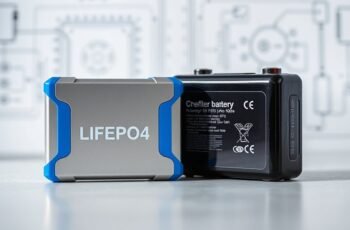
When comparing LiFePO4 batteries to traditional lead-acid options, it’s clear they offer notable technical benefits that can impact system performance and safety. Their longer cycle life, enhanced stability, and lighter weight suggest a more efficient and sustainable energy solution. However, understanding the full scope of these advantages requires examining specific factors such as cost, safety, and environmental impact, which are essential for making an informed decision about their adoption.
Key Takeaways
- LiFePO4 batteries have a significantly longer lifespan, exceeding 2,000 cycles compared to 500-1,000 for lead-acid.
- They are lighter and easier to install, reducing handling complexity and structural modifications.
- LiFePO4 offers faster charging and higher energy efficiency, minimizing downtime.
- They are inherently safer with stable chemistry, lowering thermal runaway and explosion risks.
- Despite higher initial costs, LiFePO4 batteries are more cost-effective over time due to fewer replacements and maintenance.
Why LiFePO4 Batteries Last Longer Than Lead-Acid Options
While both LiFePO4 and lead-acid batteries serve as reliable energy storage solutions, LiFePO4 cells generally outperform lead-acid options in longevity due to their superior chemical stability and deeper cycle capabilities. This stability sustains higher battery capacity over extended periods, reducing capacity fade typically seen in lead-acid cells after repeated cycles. Additionally, LiFePO4 batteries endure more charge-discharge cycles, often exceeding 2,000, compared to 500-1,000 cycles for lead-acid batteries, which directly impacts their lifespan. Recycling processes for LiFePO4 are also more environmentally friendly, with fewer hazardous materials involved, simplifying disposal and reuse. These factors collectively contribute to a longer, more sustainable service life for LiFePO4 batteries, making them a technically advantageous choice over lead-acid alternatives.
How Faster Charging Benefits Your Energy Storage System
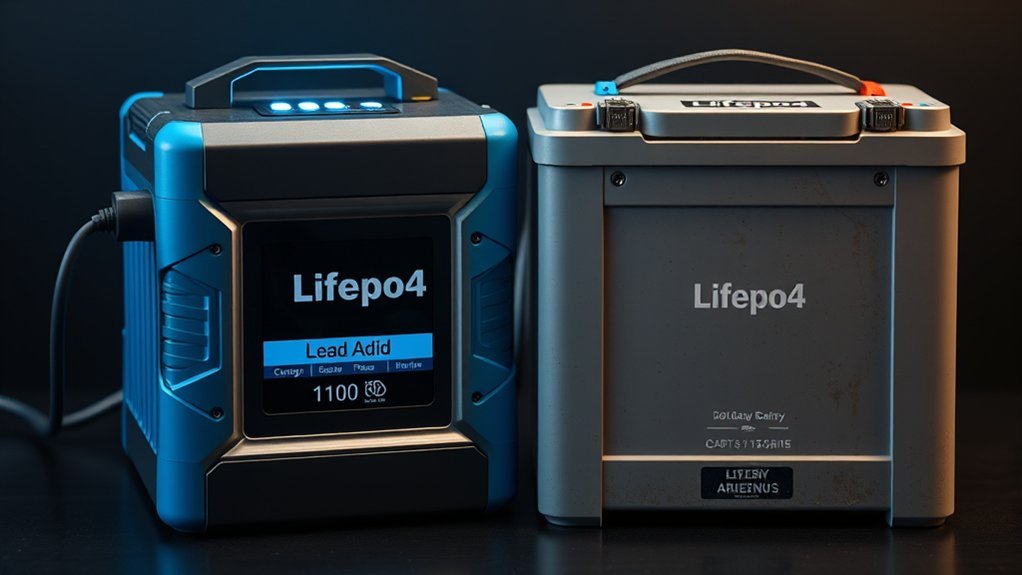
Faster charging capabilities markedly enhance the efficiency and responsiveness of your energy storage system by reducing downtime and increasing available operational hours. Fast charging minimizes cycle times, allowing batteries to recover quickly and be ready for subsequent use. This improvement directly boosts energy efficiency by optimizing charge cycles and decreasing energy losses associated with prolonged charging.
| Aspect | Benefit |
|---|---|
| Charging Speed | Reduces downtime, increases availability |
| System Responsiveness | Enhances real-time performance |
| Energy Efficiency | Lowers energy wastage during charge |
| Operational Continuity | Supports continuous operation |
Enhancing Safety With Lithium Iron Phosphate Batteries
Lithium Iron Phosphate (LiFePO4) batteries inherently offer enhanced safety features compared to traditional lead-acid counterparts, making them a preferred choice for high-demand applications. Their stable chemistry minimizes thermal runaway risks, reducing the need for extreme safety measures. Implementing proper safety protocols, such as controlled charging and avoiding physical damage, further mitigates potential hazards. Unlike lead-acid batteries, LiFePO4 cells produce minimal gas emissions, decreasing explosion risks during misuse or failure. Regular battery maintenance—monitoring cell voltage, ensuring proper cooling, and avoiding over-discharge—keeps the system safe and reliable. This proactive approach minimizes safety concerns, enhances longevity, and guarantees consistent performance. Overall, LiFePO4’s inherent stability, combined with diligent safety protocols and maintenance, substantially elevates operational safety standards.
The Lightweight Advantage of LiFePO4 for Easier Installation
The lightweight nature of LiFePO4 batteries considerably simplifies the installation process, reducing both time and labor costs. This weight reduction directly enhances installation ease, especially in applications where handling heavy batteries poses logistical challenges. Lithium Iron Phosphate batteries typically weigh 50-70% less than lead acid counterparts, allowing for easier mounting and fewer structural modifications. To illustrate, consider the following comparison:
| Battery Type | Average Weight (per kWh) | Installation Ease Impact |
|---|---|---|
| Lead Acid | 25-30 kg | Moderate to Difficult |
| LiFePO4 | 10-15 kg | Much Easier |
| Weight Reduction | 50-70% lighter | Reduces handling complexity |
This data underscores how weight reduction translates into smoother, faster installation, making LiFePO4 a superior choice for diverse applications.
Cost-Effectiveness of LiFePO4 Over the Battery’s Lifespan
Although the upfront cost of LiFePO4 batteries is higher than traditional lead acid options, their long-term cost-effectiveness becomes evident when considering lifespan and maintenance expenses. LiFePO4 batteries typically deliver over 2,000 cycles, notably exceeding lead acid’s 300-500 cycles, which translates into substantial cost savings over time. Reduced maintenance requirements—no need for watering, equalizing charges, or acid checks—further lower operational costs. This durability makes LiFePO4 a sound long-term investment, minimizing replacement frequency and associated labor expenses. While initial investment may seem substantial, the extended cycle life and lower maintenance costs improve overall cost efficiency, ultimately delivering a more economical solution across the battery’s lifespan. This strategic choice enhances operational reliability and financial sustainability.
Environmental Benefits of Choosing LiFePO4 Batteries
Choosing LiFePO4 batteries offers significant environmental advantages due to their inherent chemical stability and longer lifespan. Their stable chemistry reduces the risk of hazardous leaks and minimizes environmental contamination, unlike lead-acid batteries. Additionally, the manufacturing processes for LiFePO4 are designed to be more sustainable, involving fewer toxic materials and generating less harmful waste. Recycling programs for lithium iron phosphate batteries are increasingly efficient, enabling the recovery of valuable materials and reducing landfill impact. This contrasts with lead-acid batteries, which pose greater recycling challenges and environmental hazards due to lead content. Overall, the combination of safer manufacturing, extended durability, and improved recycling infrastructure makes LiFePO4 a more eco-friendly choice. It supports a circular economy by reducing waste and conserving natural resources.
What to Consider When Switching From Lead-Acid to Lifepo4?
Switching from lead-acid to LiFePO4 batteries involves careful consideration of several technical and operational factors to guarantee compatibility and peak performance. First, we must evaluate installation requirements, including space, cooling, and wiring modifications, to accommodate the different voltage and charge characteristics. Second, understanding battery recycling protocols is essential for environmentally responsible disposal and potential repurposing at end-of-life. Third, compatibility with existing charge controllers and inverters must be verified to optimize efficiency and prevent damage. Additionally, evaluating the need for new safety features or protective systems is vital. These considerations facilitate a seamless transition, maintain system integrity, and leverage the benefits of LiFePO4 technology effectively.
Frequently Asked Questions
How Do Lifepo4 Batteries Perform in Extreme Temperatures?
Lifepo4 batteries exhibit excellent thermal stability across a broad temperature range, typically from -20°C to 60°C. They perform reliably in extreme temperatures, maintaining capacity and safety, making them suitable for diverse, demanding environments.
Are Lifepo4 Batteries Compatible With Existing Inverter Systems?
Lifepo4 batteries are highly compatible with existing inverter systems, facilitating seamless inverter integration. Their stable voltage profile and advanced battery management systems guarantee reliable performance, making them suitable for various applications without requiring extensive system modifications.
What Is the Typical Lifespan of a Lifepo4 Battery?
Like a marathon runner, Lifepo4 batteries typically last 8-10 years with proper battery installation. When comparing costs, their longer lifespan reduces replacement expenses, making them a smarter choice over lead-acid, despite higher initial investment.
How Do Maintenance Requirements Compare Between Lifepo4 and Lead-Acid Batteries?
We find Lifepo4 batteries require less maintenance than lead-acid, thanks to their stable chemistry and longer lifespan. They also have faster charging speeds and slightly higher initial battery costs, but lower overall upkeep reduces long-term expenses.
Can Lifepo4 Batteries Be Recycled Easily?
Like a well-organized library, Lifepo4 batteries are designed for easier recycling, reducing environmental impact through streamlined recycling processes. Their chemical stability minimizes hazardous waste, making them a more sustainable choice compared to other battery types.
Conclusion
Switching to LiFePO4 batteries is like upgrading from a bicycle to a sports car—initial investment is higher, but the performance and efficiency gains are undeniable. With over 2,000 charge cycles and enhanced safety features, these batteries outperform lead-acid options in longevity and reliability. Their lighter weight simplifies installation and maintenance, ultimately delivering a more sustainable, cost-effective energy storage solution. Embracing this technology positions us for a more resilient and eco-conscious future.