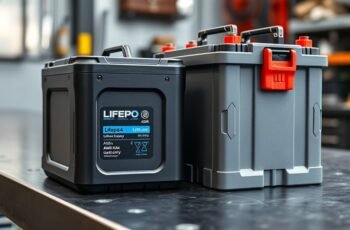
Upgrading from lead-acid batteries is perhaps the most impactful change you can make to improve your power system’s efficiency, safety, and environmental footprint—yet, choosing the right replacement isn’t straightforward. With options like lithium-ion and AGM batteries offering distinct advantages, understanding their differences is critical to making an informed decision. We’ll examine the technical nuances that can influence your choice and reveal why the right upgrade could redefine your power management strategy.
Key Takeaways
- Consider lithium-ion batteries for higher energy density, longer lifespan, and reduced maintenance compared to lead-acid options.
- Ensure compatibility with existing system voltage, capacity, and terminal types for seamless upgrade.
- Evaluate environmental impact and recyclability to choose more sustainable and eco-friendly battery solutions.
- Assess total cost of ownership, including initial investment, longevity, and maintenance savings over time.
- Prioritize safety features and proper installation to maximize performance and minimize risks during the upgrade.
What Are the Limitations of Lead Acid Batteries and Why Upgrade?
Although lead acid batteries have been a reliable power source for decades, their inherent limitations hinder their effectiveness in modern applications. Their relatively short lifespan and low energy density make them less suitable for high-demand scenarios. Additionally, their maintenance requirements, such as regular watering and equalization, add complexity. From an environmental perspective, lead acid batteries pose significant challenges; improper disposal or inefficient battery recycling can lead to lead contamination and pollution. The environmental impact of discarded batteries emphasizes the need for sustainable solutions. Upgrading to newer technologies reduces these concerns by offering longer cycle lives, higher efficiency, and less hazardous waste. Moving away from lead acid batteries not only improves performance but also aligns with responsible environmental management practices.
Comparing Lithium-Ion and AGM Batteries: Which Is Right for You?

When comparing lithium-ion and AGM batteries, key factors like energy density, maintenance needs, cost, and lifespan must be carefully evaluated. Lithium-ion batteries generally offer higher energy density and lower maintenance but come at a higher initial cost, while AGM batteries are more affordable and require minimal upkeep. Understanding how these differences align with your usage patterns and budget is essential for selecting the most suitable upgrade.
Energy Density Differences
Have you ever wondered why lithium-ion batteries are often favored for their compact design and high energy storage? Their superior energy density means they store more power in smaller, lighter packages compared to AGM batteries. Lithium-ion cells typically deliver around 150-250 Wh/kg, whereas AGM batteries usually range between 30-50 Wh/kg. This significant difference allows for more efficient space utilization and weight savings in applications like electric vehicles and portable devices. Additionally, higher energy density can extend operational lifespan before recharging is needed. However, this advantage comes with considerations like battery recycling and environmental impact. Lithium-ion batteries pose challenges for recycling, requiring specialized processes that influence their overall environmental footprint. When choosing between these options, evaluating energy density alongside environmental factors becomes essential.
Maintenance Requirements
Choosing between lithium-ion and AGM batteries often hinges on their maintenance requirements, which considerably influence long-term performance and ownership costs. Lithium-ion batteries demand minimal maintenance, primarily involving adherence to specific charging protocols to prevent overcharge or deep discharge, and proper battery recycling at end-of-life. AGM batteries require periodic checks of terminal connections and electrolyte levels, though they generally need less intensive maintenance than traditional lead acids. The following table summarizes key differences:
| Aspect | Lithium-Ion | AGM |
|---|---|---|
| Maintenance | Low; mainly charging protocols | Moderate; terminal checks, electrolyte |
| Battery Recycling | Less hazardous, more streamlined | More involved, environmental considerations |
| Charging Protocols | Precise, to maximize lifespan | Less sensitive but recommended practices |
These distinctions impact operational simplicity and environmental considerations, guiding ideal choice based on user needs.
Cost and Longevity
Lithium-ion batteries generally offer a longer lifespan and better overall value compared to AGM batteries, though their higher upfront cost can be a significant consideration. Lithium-ion cells typically endure 8-10 years with proper management, reducing replacement frequency and long-term expenses. This extended longevity translates into fewer battery recycling cycles, which is vital for minimizing environmental impact. AGM batteries, while initially cheaper, often require replacement every 3-5 years, increasing waste and environmental footprint. Additionally, lithium-ion batteries tend to have a higher energy density and more efficient charge cycles, enhancing performance over time. Although costlier upfront, the durability and reduced environmental impact through fewer replacements make lithium-ion a more sustainable choice, aligning with long-term economic and ecological benefits.
Key Factors to Consider When Choosing a Battery Upgrade
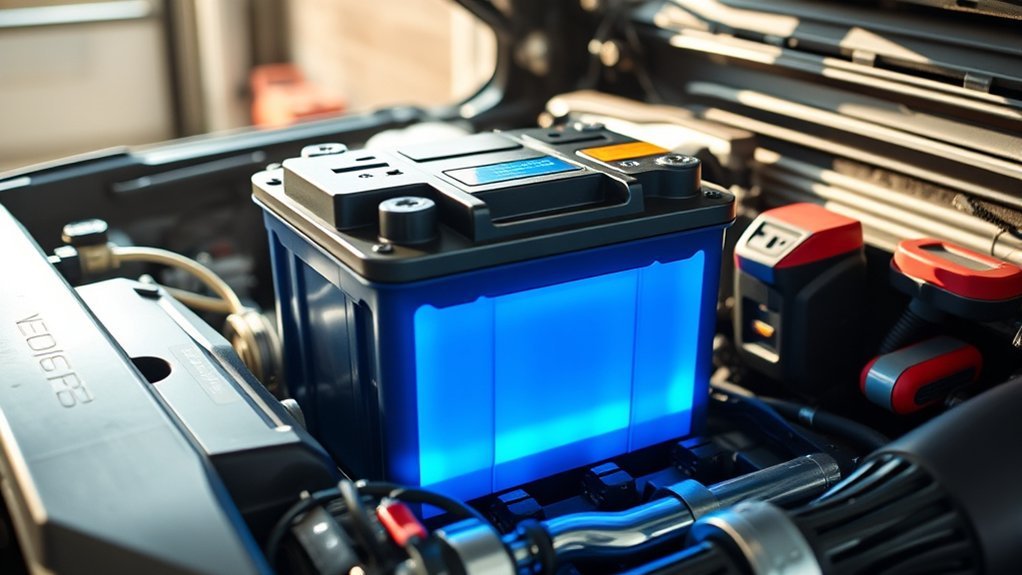
When selecting a battery upgrade, we need to evaluate capacity and runtime to guarantee the new option meets our power demands. Compatibility in weight and size is vital for installation and system integration, while cost and longevity determine the overall value and maintenance requirements. Analyzing these factors allows us to make an informed choice that balances performance and practicality.
Battery Capacity and Runtime
Have you considered how battery capacity directly influences both the overall runtime and performance of your system? Higher capacity batteries deliver extended operational periods but come with considerations like battery recycling practices and environmental impact. When upgrading, focus on:
- Capacity Rating (Ah or Wh): Assures sufficient runtime for your specific load.
- Discharge Rate: Higher discharge rates can impact longevity and efficiency.
- Cycle Life: Longer cycle life reduces waste, supporting better battery recycling.
- Energy Density: Affects size and weight, influencing environmental footprint and system design.
Balancing capacity with environmental factors is essential for a sustainable upgrade. Optimizing runtime while minimizing ecological harm requires careful selection, especially as battery recycling becomes more critical in reducing waste and environmental impact.
Weight and Size Compatibility
Selecting a battery upgrade requires careful assessment of weight and size compatibility to guarantee seamless integration with existing systems. Ensuring proper fit prevents mechanical issues and maintains system balance, which is vital for peak performance. Additionally, smaller or lighter batteries can reduce overall weight, improving efficiency, especially in mobile applications. As we evaluate options, considering the environmental impact of battery recycling becomes essential; choosing batteries with standardized dimensions facilitates easier recycling and disposal. Size compatibility also influences cooling and ventilation requirements, affecting overall safety. Modern upgrade options, such as lithium-ion, often offer favorable weight-to-capacity ratios, but verifying their physical dimensions ensures compatibility. By prioritizing these factors, we can enhance system reliability, minimize environmental footprint, and streamline battery recycling processes effectively.
Cost and Longevity
How do cost and longevity influence the decision to upgrade from a lead acid battery? These factors directly affect long-term value and sustainability. Higher initial costs may be offset by longer lifespan and reduced replacement frequency. When evaluating options, consider:
- Total Cost of Ownership: Longer-lasting batteries lower replacement costs and minimize environmental impact through reduced battery recycling needs.
- Cycle Life: Batteries with higher cycle counts deliver sustained performance and better environmental sustainability.
- Efficiency and Performance: Enhanced longevity often correlates with improved energy retention, reducing waste.
- Environmental Impact: Batteries with longer lifespans lessen the burden on battery recycling facilities and reduce ecological footprints.
Prioritizing cost-effectiveness and durability supports responsible choices aligned with environmental considerations.
How Lithium-Ion Batteries Improve Performance and Longevity
Lithium-ion batteries considerably enhance performance and longevity through their advanced chemistry and efficient energy management. Their high energy density allows for longer usage between charges, while reduced internal resistance improves power delivery and reduces heat generation. Proper charging protocols are critical; they optimize battery lifespan by preventing overcharging and deep discharging, which can degrade performance over time. Additionally, lithium-ion batteries support better battery recycling processes, enabling sustainable disposal and reuse, thereby minimizing environmental impact. Their stable chemistry results in fewer capacity fade issues compared to lead-acid alternatives. Overall, these factors contribute to a more reliable, durable power source, making lithium-ion batteries a superior choice for those seeking enhanced performance and extended longevity.
The Safety Benefits of Upgrading to AGM or Lithium-Ion
Upgrading to AGM or lithium-ion batteries substantially enhances safety by reducing the risk of thermal runaway, leaks, and explosive failures common in traditional lead-acid systems. These batteries feature sealed designs that eliminate electrolyte spills and minimize fire hazards. Additionally, their robust construction improves battery aesthetics, contributing to cleaner, more organized installations. Regarding charging methods, AGM and lithium-ion batteries are more tolerant of fast charging and less prone to overcharging, decreasing safety risks. Key safety benefits include:
- Reduced likelihood of electrolyte leaks and corrosion
- Lower risk of thermal runaway due to built-in safety mechanisms
- Enhanced durability against physical damage
- Improved compatibility with modern, automated charging systems
These factors collectively make AGM and lithium-ion batteries safer, more reliable, and easier to maintain in various applications.
Cost Implications and Long-Term Savings of Battery Upgrades
While the safety enhancements of AGM and lithium-ion batteries are compelling, understanding their cost implications and long-term financial benefits is equally important. Although initial investments are higher compared to lead-acid batteries, these advanced options often reduce total ownership costs through longer lifespans and improved efficiency. Over time, the reduced need for replacements and maintenance translates into significant savings. Additionally, these batteries support sustainable practices like battery recycling, which mitigates environmental impact and conserves resources. Lithium-ion batteries, in particular, have a lower environmental footprint due to their recyclability and higher energy density. Although upfront costs may seem steep, the cumulative savings from durability, reduced maintenance, and environmental benefits make upgrading a financially sound decision over the long term.
Installation Tips and Compatibility Checks for Your New Battery
Before installing a new battery, we must verify compatibility with existing systems to guarantee maximum performance and safety. This involves checking voltage, capacity, terminal configuration, and physical dimensions to ensure seamless integration.
Verifying battery compatibility ensures optimal performance and safety during installation.
- Voltage and Capacity Matching: Confirm the new battery’s voltage and capacity align with the system’s requirements to prevent overloads or insufficient power delivery.
- Terminal Compatibility: Ensure terminal types and positions match, avoiding incorrect connections that could cause damage.
- Physical Fit: Measure dimensions to prevent installation issues or undue stress on connections.
- Environmental Considerations: Choose batteries with recyclable materials to minimize environmental impact, and plan for proper battery recycling at end-of-life.
Proper compatibility checks optimize performance, reduce safety risks, and support sustainable practices.
Common Challenges When Upgrading and How to Avoid Them
Despite careful planning, upgrading to a new battery can present several technical challenges that may compromise system performance or safety. One key issue is guaranteeing proper disposal and recycling of the old lead acid batteries, which directly impacts environmental sustainability. Inadequate battery recycling can lead to soil and water contamination, increasing ecological risks. Additionally, mismatched system voltages or capacities can cause electrical imbalances, reducing efficiency and potentially damaging new batteries. It’s essential to evaluate compatibility precisely and consider environmental impacts during the upgrade process. Failing to do so may result in increased waste or future system failures. Addressing these challenges proactively helps facilitate a seamless transition, optimizes performance, and minimizes environmental footprint while adhering to recycling regulations.
Making Your Decision: The Best Upgrade Path for Your Power Needs
Choosing the most suitable upgrade path for your power system requires a thorough assessment of your specific energy demands, operational environment, and future scalability. To optimize performance and minimize environmental impact, consider these factors:
- Energy Capacity and Load Profile – Match battery type to your peak and average loads for efficiency.
- Battery Recycling and Sustainability – Prioritize technologies with effective battery recycling programs to reduce environmental impact.
- Cycle Life and Reliability – Longer cycle life options, like lithium-ion, support scalability and reduce replacement frequency.
- Cost and Ecosystem Compatibility – Balance initial investment against long-term operational costs and environmental considerations.
This analytical approach guarantees a sustainable upgrade that aligns with your current needs while supporting responsible battery recycling practices and minimizing ecological footprint.
Frequently Asked Questions
Are There Environmental Benefits to Upgrading From Lead Acid Batteries?
Upgrading to eco-friendly batteries enhances environmental benefits through the use of sustainable materials and improved recycling processes, reducing hazardous waste. This shift minimizes ecological impact, promotes resource efficiency, and supports a cleaner, more sustainable energy infrastructure.
How Does Upgrading Affect Overall Vehicle or System Performance?
Upgrading from lead acid batteries boosts vehicle performance by increasing battery capacity by up to 30%, enhancing power efficiency, and providing more consistent power delivery, which results in smoother operation, improved responsiveness, and extended system lifespan.
What Warranties Are Typically Available With Modern Battery Upgrades?
Modern battery upgrades typically include warranties covering battery chemistry stability and charging compatibility, often ranging from 2 to 5 years, ensuring reliability. We analyze these warranties to confirm they address potential issues with performance, lifespan, and compatibility.
Can I Upgrade My Battery Without Professional Assistance?
We can upgrade our battery ourselves if we’re cautious about matching battery capacity and ensuring charging compatibility. While it’s technically feasible, consulting a professional helps prevent mismatched specs, safeguarding performance and longevity of our upgraded system.
How Do Battery Upgrades Impact Resale Value or System Reliability?
Upgrading batteries extends lifespan and boosts system reliability, positively influencing resale value. Our cost analysis shows initial investments yield long-term benefits through enhanced durability and performance, making upgrades a strategic choice for system longevity and value retention.
Conclusion
Upgrading from lead-acid batteries is a strategic move that can transform your power system. By choosing lithium-ion or AGM options, we open greater efficiency, safety, and sustainability—like upgrading from a tricycle to a sports car. While the initial investment may seem intimidating, the long-term savings and enhanced performance justify the leap. Ultimately, making the right choice guarantees your power needs are met with reliability and innovation, propelling your system into a smarter, greener future.