It’s a coincidence that as we seek more sustainable energy solutions, LiFePO4 batteries emerge as a compelling alternative to traditional lead-acid types. Their technical advantages, from longer cycle life to improved safety, challenge the long-standing dominance of lead-based systems. Yet, understanding whether these batteries truly deliver long-term value requires a closer look at their performance, costs, and application suitability—details that could reshape how we approach energy storage.
Key Takeaways
- LiFePO4 batteries offer longer lifespan and higher cycle durability compared to lead acid batteries.
- They provide enhanced safety due to thermal stability and reduced risk of thermal runaway.
- LiFePO4 has higher energy efficiency and better performance in deep discharge conditions.
- Recycling LiFePO4 is more environmentally friendly and less hazardous than lead acid batteries.
- Despite higher initial costs, LiFePO4’s durability reduces long-term replacement and maintenance expenses.
What Are Lead Acid Batteries and Why Consider Alternatives?
Lead acid batteries have long been the standard choice for energy storage in automotive, industrial, and backup power applications due to their proven reliability and cost-effectiveness. However, their environmental impact raises concerns, especially regarding battery recycling. Lead and sulfuric acid pose significant health and environmental risks if not properly managed, making recycling essential but challenging. These batteries contain toxic materials that can leach into soil and water, contributing to pollution. As we seek sustainable solutions, alternatives like LiFePO4 batteries offer a compelling option. They minimize harmful environmental effects, reduce recycling complexities, and have a longer lifespan. Shifting from traditional lead acid batteries not only addresses environmental considerations but also improves overall system efficiency and safety.
Benefits of Using LiFePO4 Batteries Over Traditional Lead-Acid
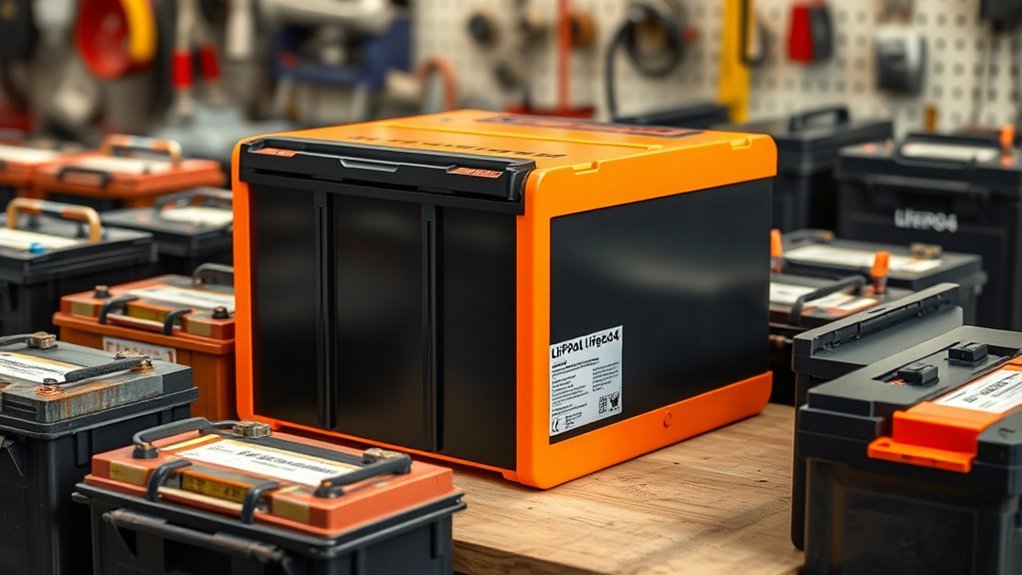
LiFePO4 batteries offer significant advantages over traditional lead-acid options, particularly in terms of lifespan, safety, and energy efficiency. Their extended cycle life reduces replacement frequency, while advanced safety features minimize thermal risks. Additionally, their higher energy efficiency translates to better performance and longer runtime in demanding applications.
Longer Battery Lifespan
Because of their chemistry and design, LiFePO4 batteries generally outperform traditional lead-acid models regarding durability. Their deep cycle capability allows for considerably more charge-discharge cycles, often exceeding 2,000, compared to 500-1,000 for lead-acid batteries, extending overall lifespan. Manufacturing advancements have optimized electrode stability and electrolyte composition, further enhancing longevity. Additionally, LiFePO4 batteries are more resistant to degradation from deep discharges and temperature fluctuations, reducing maintenance and replacement frequency. Their environmental impact is mitigated through improved battery recycling processes, which preserve valuable materials and minimize waste. Collectively, these factors demonstrate that LiFePO4 batteries deliver a longer, more reliable service life, making them a cost-effective, sustainable alternative to traditional lead-acid systems.
Enhanced Safety Features
Have you considered how safety features set LiFePO4 batteries apart from traditional lead-acid options? LiFePO4 batteries inherently offer enhanced thermal stability, substantially reducing risks of thermal runaway and fires common in lead-acid cells. This stability not only improves safety but also simplifies battery management systems. Additionally, LiFePO4’s non-toxic chemistry supports safer battery recycling, minimizing environmental impact compared to lead-acid batteries, which contain hazardous materials like lead and sulfuric acid. The reduced risk of leaks and explosions makes LiFePO4 a more reliable choice for various applications. Overall, these safety advantages contribute to lower operational risks and promote responsible disposal, aligning with environmental considerations and sustainable energy storage practices.
Greater Energy Efficiency
How do LiFePO4 batteries deliver greater energy efficiency compared to traditional lead-acid options? They feature higher charge acceptance and lower internal resistance, enabling more complete energy transfer and reduced energy loss during cycling. This results in improved usable capacity and longer cycle life. Additionally, LiFePO4 batteries facilitate better battery recycling processes, minimizing environmental impact by producing fewer hazardous materials. The following table highlights key efficiencies:
| Aspect | Lead-Acid | LiFePO4 |
|---|---|---|
| Energy Loss | Higher due to internal resistance | Lower, more efficient energy transfer |
| Cycle Life | Shorter, less durable | Longer, sustainable usage |
| Environmental Impact | More hazardous waste | Safer, easier recycling |
These efficiencies underscore LiFePO4’s technical advantages in energy use and sustainability.
How Do LiFePO4 Batteries Work and What Makes Them Safer?
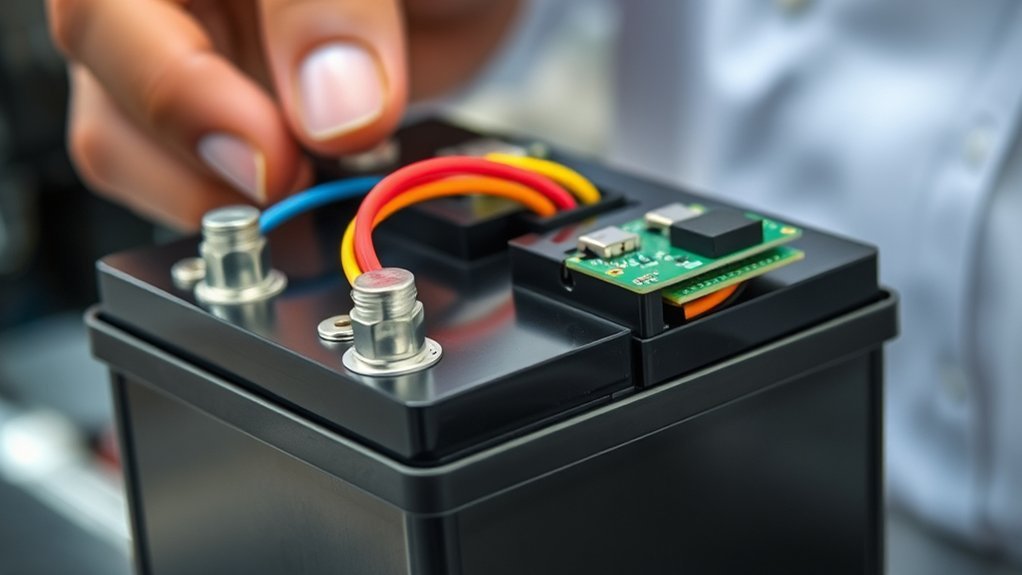
LiFePO4 batteries operate through a stable chemical structure that prevents thermal runaway, making them inherently safer. Their chemical composition is non-toxic and resistant to overcharging, reducing risks associated with failure. This stability guarantees predictable thermal behavior, enhancing overall safety in various applications.
Safe Chemical Composition
Because of their chemical stability, LiFePO4 batteries inherently possess a safer profile compared to other lithium-ion chemistries. The stable crystal structure of lithium iron phosphate prevents thermal runaway and reduces the risk of combustion. This stability also minimizes toxicity concerns, as the materials used are less hazardous and do not release harmful gases or liquids under normal operation. Unlike cobalt-based chemistries, LiFePO4’s non-toxic composition ensures safer handling, disposal, and environmental impact. The chemical composition’s robustness contributes to the battery’s overall safety, making it less prone to leaks or fires. These attributes underscore the importance of chemical stability in enhancing safety and reducing health and environmental risks associated with battery failure or damage.
Stable Thermal Behavior
The inherent thermal stability of LiFePO4 batteries stems from their unique crystal structure, which allows for effective heat dissipation and resists the rapid temperature increases that can lead to thermal runaway. This stability simplifies thermal management, reducing the need for complex cooling systems and enhancing safety during operation. The phosphate-based chemistry naturally maintains a stable temperature range, minimizing risks associated with overheating. Additionally, this thermal resilience benefits battery recycling processes, as fewer thermal stresses reduce degradation and facilitate safer recycling techniques. The robust thermal behavior of LiFePO4 ensures safer performance over its lifespan, making it a reliable alternative to lead-acid batteries, especially in applications where temperature fluctuations are common. Overall, their stable thermal characteristics contribute considerably to their safety profile and sustainability.
Key Factors to Evaluate When Choosing a LiFePO4 Battery System
When selecting a LiFePO4 battery system, it’s essential to carefully evaluate several critical factors to guarantee the best performance and longevity. Key considerations include evaluating the quality of manufacturing processes, which influence battery consistency, safety, and lifespan. Additionally, understanding the battery’s approach to battery recycling is vital for sustainability and environmental impact. Reputable manufacturers implement rigorous recycling protocols, ensuring minimal waste and resource recovery at end-of-life. The choice of manufacturing process also affects internal cell stability and thermal management, which impact overall efficiency. By analyzing these factors, we can verify the system not only meets technical requirements but also aligns with responsible environmental practices, ultimately delivering a reliable, long-term energy solution.
Comparing Costs: Are LiFePO4 Batteries More Economical Long-Term?
While evaluating the manufacturing quality and environmental practices of LiFePO4 batteries provides insight into their long-term reliability, understanding the overall cost implications is equally essential. LiFePO4 batteries often have higher upfront costs compared to lead-acid options, but their extended lifespan and superior cycle life offset initial expenses. Manufacturing processes for LiFePO4 emphasize safety and efficiency, reducing long-term maintenance costs. Additionally, battery recycling strategies for LiFePO4 are more sustainable, less hazardous, and more economical over time, further influencing total cost of ownership. When considering long-term economics, these factors demonstrate that LiFePO4 batteries, despite higher initial investments, tend to be more cost-effective due to durability, reduced replacement frequency, and environmentally responsible recycling practices.
Best Uses for LiFePO4 Batteries in Solar, EVs, and More
Are LiFePO4 batteries the ideal choice for various applications like solar energy storage and electric vehicles? Their stability, long cycle life, and safety profile make them highly suitable. In solar setups, they efficiently store excess energy, adhering to specific charging protocols to optimize lifespan. For EVs, their high energy density and fast charging capabilities enhance performance. Additionally, their recyclability supports sustainable battery recycling practices, reducing environmental impact. Consider the following:
| Application | Key Benefits |
|---|---|
| Solar Energy Storage | Deep cycle capability, longevity |
| Electric Vehicles | Fast charging, high stability |
| Off-grid Power | Reliable, maintenance-free |
| Backup Systems | Robust, safe for continuous use |
These attributes position LiFePO4 as a versatile, long-term solution across multiple sectors.
Installation Tips and Maintenance for Your LiFePO4 Battery
Proper installation and regular maintenance are crucial to maximize the performance and lifespan of your LiFePO4 battery. Guaranteeing correct wiring, proper ventilation, and secure mounting minimizes risks of thermal runaway and mechanical failure. Routine inspections of connections and terminal cleanliness prevent voltage drops and corrosion. Incorporating best practices for battery recycling is essential for environmental sustainability, emphasizing the importance of responsible disposal at end-of-life. Understanding manufacturing processes helps identify potential manufacturing defects early, reducing failure risks. Properly balancing cells during installation maintains voltage uniformity, extending overall cycle life. Adhering to manufacturer guidelines and monitoring parameters like temperature and state of charge optimizes battery longevity. Ultimately, meticulous maintenance rooted in an understanding of manufacturing processes ensures reliable, efficient operation and promotes sustainable lifecycle management.
Are LiFePO4 Batteries the Future of Energy Storage?
LiFePO4 batteries are increasingly regarded as a promising solution for energy storage due to their superior safety profile, long cycle life, and stable chemical characteristics. Their potential as a future standard hinges on advancements in manufacturing processes and sustainable battery recycling methods. These improve efficiency and reduce environmental impact, making LiFePO4 more viable at scale. Key factors include:
- Enhanced manufacturing techniques that guarantee consistent quality and lower costs.
- Development of efficient battery recycling systems to reclaim valuable materials and minimize waste.
- Improved cell design to extend lifespan and optimize performance under various conditions.
Together, these innovations position LiFePO4 as a sustainable, safe, and economically competitive alternative for large-scale energy storage, supporting the shift to renewable energy sources.
Frequently Asked Questions
What Is the Typical Lifespan of a Lifepo4 Battery?
We find that LiFePO4 batteries typically last 8 to 10 years due to advanced battery manufacturing processes, offering a longer lifespan than lead acid options, and their environmentally friendly design considerably reduces environmental impact over their operational life.
How Do Temperature Variations Affect Lifepo4 Battery Performance?
We verify that temperature variations considerably impact Lifepo4 battery performance. Within its ideal temperature range, thermal stability is maintained, but outside this, efficiency drops and potential degradation occurs, emphasizing the importance of managing environmental conditions for longevity.
Can Lifepo4 Batteries Be Recycled Easily?
Yes, LiFePO4 batteries are recyclable through established processes, minimizing environmental impact. Recycling involves extracting valuable materials like lithium and phosphate, which can be reused, making LiFePO4 batteries a more sustainable and eco-friendly energy storage solution.
Are There Size or Capacity Limitations for Lifepo4 Batteries?
We find that LiFePO4 batteries generally have size and capacity limits dictated by cell design, affecting battery weight and voltage stability, but modular configurations allow customization for specific needs, balancing performance with physical and technical constraints.
How Do Charging Protocols Differ Between Lead Acid and Lifepo4 Batteries?
Charging protocols for Lifepo4 batteries involve precise voltage regulation and tailored algorithms that prevent overcharging, unlike lead acid batteries. We adjust charging voltage and current to optimize lifespan, ensuring safety and efficiency through advanced voltage regulation and specialized charging algorithms.
Conclusion
In summary, while the initial investment in LiFePO4 batteries may seem higher, their superior lifespan, safety, and efficiency make them a compelling long-term choice. We recognize concerns about costs, but the reduced maintenance and replacement expenses, coupled with sustainability benefits, outweigh upfront expenses. Embracing LiFePO4 technology positions us for a more reliable, eco-friendly energy future, making it a prudent decision for those committed to innovation and environmental responsibility.