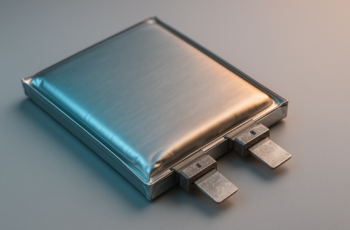
When comparing LiFePO4 and Li-Ion batteries, we recognize that each offers distinct advantages aligned with specific application needs, but understanding their trade-offs is essential. We must consider factors like safety, longevity, weight, and environmental impact to make an informed choice. As the differences influence performance and sustainability, exploring these aspects thoroughly can guide us toward the most suitable option for our technical requirements.
Key Takeaways
- LiFePO4 offers superior thermal stability and safety, making it ideal for high-risk applications.
- Li-Ion provides higher energy density and lighter weight, suitable for portable and weight-sensitive devices.
- LiFePO4 batteries have longer cycle life and lower environmental impact due to easier recycling.
- Li-Ion batteries are more expensive to manufacture but deliver higher energy output in a compact form.
- LiFePO4 is more environmentally friendly and safer, while Li-Ion excels in weight efficiency and energy density.
What Are the Key Differences Between LiFePO4 and Li-Ion Batteries?
While both LiFePO4 and Li-Ion batteries are popular lithium-based energy storage solutions, they differ markedly in chemistry, performance, and safety profiles. LiFePO4 batteries utilize iron phosphate cathodes, resulting in enhanced thermal stability and a lower risk of thermal runaway. This chemistry contributes to a longer cycle life and improved safety, but also influences manufacturing costs, which tend to be higher due to material processing. In contrast, Li-Ion batteries often incorporate cobalt or nickel cathodes, enabling higher energy density but raising concerns about thermal management and safety. Additionally, battery recycling processes vary considerably: LiFePO4’s stable chemistry simplifies recycling and reduces environmental impact, whereas Li-Ion batteries pose more challenges, impacting overall sustainability and cost-efficiency.
Advantages of Lithium Iron Phosphate (LiFePO4) Batteries
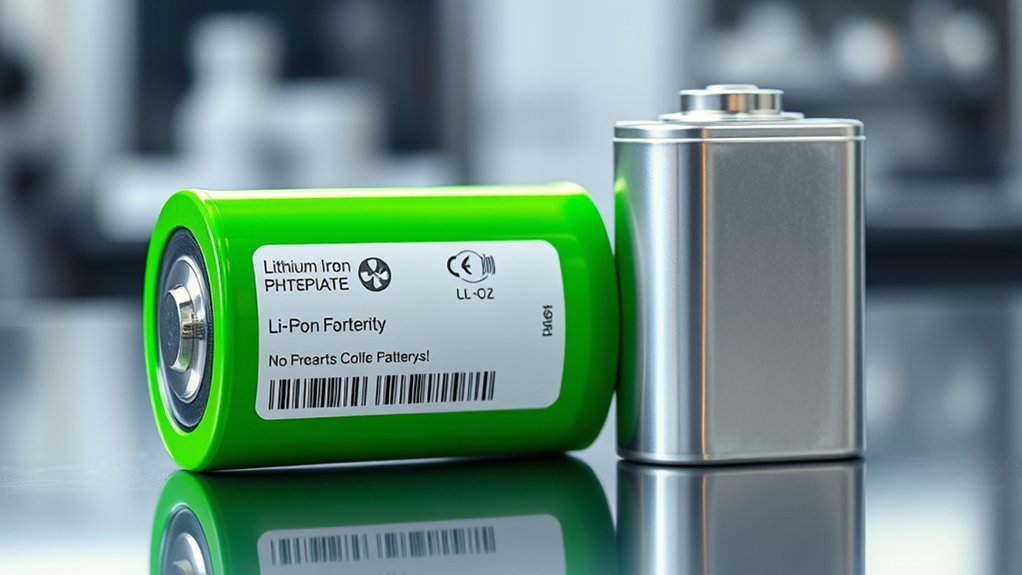
Lithium Iron Phosphate (LiFePO4) batteries offer several significant advantages rooted in their chemical stability and safety profile. Their thermodynamic stability minimizes thermal runaway risks, making them safer for various applications. Additionally, LiFePO4 batteries have a longer lifespan due to their stable chemistry, which translates to fewer replacements and reduced waste. This stability also benefits battery recycling efforts, as the materials are easier to process and pose less environmental hazard compared to other lithium-ion chemistries. Consequently, their lower environmental impact stems from both extended cycle life and simpler recycling procedures. Overall, these attributes make LiFePO4 batteries a more sustainable choice, aligning technical performance with environmental responsibility.
Benefits of Traditional Lithium-Ion (Li-Ion) Batteries
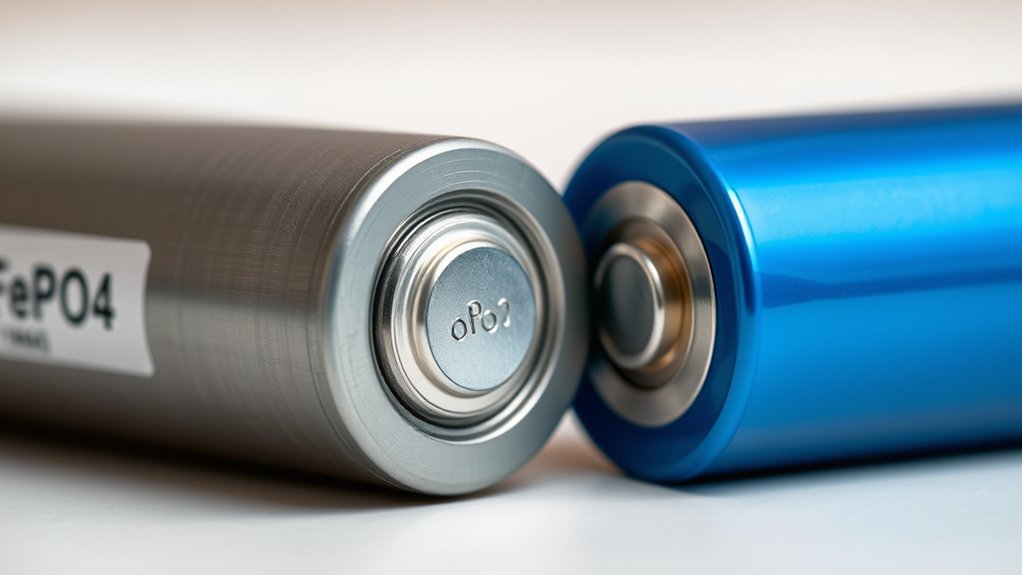
Have you ever wondered why traditional lithium-ion (Li-ion) batteries dominate numerous electronic devices and electric vehicles? Their benefits stem from several key factors. First, Li-ion batteries offer high energy density, enabling longer device usage between charges. Second, their relatively low self-discharge rate ensures better longevity and reliability. Third, advances in battery recycling are making it easier to recover valuable materials, reducing environmental impact. Fourth, mature manufacturing processes have improved consistency and cost-effectiveness. These advantages make Li-ion batteries a practical choice for diverse applications. However, their environmental impact remains a concern, especially related to resource extraction and recycling challenges. Understanding these benefits helps clarify why they remain prevalent despite ongoing developments in alternative battery technologies.
Which Battery Is Safer for Your Application?
Choosing the safest battery for your application requires a careful assessment of their inherent risks and safety features. Lifepo4 batteries generally present lower thermal runaway risks due to their stable chemistry, aligning well with strict safety regulations and manufacturing standards. In contrast, Li-ion batteries can pose higher safety concerns if not properly managed, as they are more sensitive to manufacturing defects and thermal instability. Adherence to rigorous safety regulations and quality manufacturing standards is essential for both battery types, but Lifepo4’s inherent stability makes it a safer choice in high-risk environments. Ultimately, evaluating the safety features, compliance with standards, and potential hazards helps determine which battery offers the most reliable safety profile for your specific application.
How Do Lifespan and Maintenance Compare?
When comparing lifespan and maintenance, we find that Lifepo4 batteries generally offer longer durability and require less frequent upkeep than Li-ion counterparts. Their reduced degradation over charge cycles leads to lower replacement frequencies, which can impact long-term costs. Analyzing these factors helps determine the most efficient choice for specific applications.
Longevity and Durability
Lifepo4 batteries generally offer a longer lifespan and require less maintenance compared to traditional Li-ion batteries. This extended durability results from their stable chemistry and robust electrode structure, which reduce capacity fade over time. The key factors influencing longevity include:
- Higher cycle life—often exceeding 2,000 cycles—minimizing replacement frequency.
- Greater thermal stability, lowering degradation risks due to temperature fluctuations.
- Reduced capacity loss, enhancing consistent performance over years.
- Lower environmental impact through improved battery recycling options, decreasing waste and pollution.
Maintenance Requirements
Despite their longer lifespan, Lifepo4 batteries generally require less maintenance than traditional Li-ion batteries because of their stable chemistry and resilient electrode structure. This stability reduces risks of capacity fade and thermal runaway, leading to fewer monitoring needs. Consequently, Lifepo4 batteries have a lower frequency of maintenance interventions, which benefits operational efficiency. Additionally, Lifepo4’s chemistry facilitates safer battery recycling processes, decreasing environmental impact compared to traditional Li-ion batteries. The reduced maintenance needs and eco-friendly disassembly align with sustainable practices, mitigating waste and resource consumption. Overall, Lifepo4 batteries’ design minimizes ongoing maintenance demands and promotes environmentally responsible disposal, making them a more sustainable choice in applications where lifecycle management and environmental considerations are paramount.
Replacement Frequency
Because of their inherently stable chemistry, Lifepo4 batteries typically have a longer lifespan than traditional Li-ion batteries, which directly influences their replacement frequency. This durability means fewer replacements over time, reducing waste and the environmental impact associated with battery disposal. Specifically:
- Lifepo4 batteries often last 2000–5000 cycles, compared to 500–1000 cycles for Li-ion.
- Their extended lifespan means less frequent need for battery recycling, supporting sustainability efforts.
- Reduced replacement frequency lowers overall lifecycle costs and minimizes environmental footprints.
- The longer lifespan also decreases the demand for raw material extraction, further benefiting environmental health.
Which Battery Offers Better Energy Density and Weight Benefits?
When comparing energy density, Li-ion batteries generally outperform Lifepo4, providing more power per unit volume or weight. This advantage translates into lighter, more compact designs for applications prioritizing energy capacity. Analyzing weight efficiency reveals that, despite lower energy density, Lifepo4 batteries offer benefits in safety and longevity, impacting overall system weight and maintenance.
Energy Density Comparison
Lifepo4 and Li-ion batteries differ considerably in their energy density, which directly impacts their weight and overall efficiency. Generally, Li-ion batteries provide higher energy storage capacity per unit weight, making them preferable for applications prioritizing compactness. When comparing them:
- Li-ion batteries typically offer 150-200 Wh/kg, optimizing energy density and weight benefits.
- Lifepo4 batteries usually range around 90-110 Wh/kg, resulting in heavier packs for similar energy storage.
- Charge cycles also influence energy density utilization — Li-ion batteries often sustain more cycles with minimal capacity loss.
- The lower energy density of Lifepo4 correlates with better thermal stability and safety, but at a cost to weight efficiency.
Understanding these differences helps determine which battery better supports energy storage needs and longevity, especially when considering cycle life and weight constraints.
Weight Efficiency Analysis
While both Lifepo4 and Li-ion batteries serve similar energy storage functions, Li-ion batteries generally offer superior weight efficiency due to their higher energy density. This advantage stems from their optimized cathode chemistry and advanced battery manufacturing techniques that enable more energy storage per unit weight. Li-ion batteries typically exhibit higher specific energy, making them suitable for applications where weight reduction is critical. However, their higher energy density often complicates recycling challenges, as complex chemistries demand advanced processes for safe disposal and material recovery. Conversely, Lifepo4 batteries, though heavier, benefit from simpler manufacturing and more straightforward recycling processes. Ultimately, the choice hinges on balancing weight efficiency benefits against the practical considerations of manufacturing, recycling challenges, and lifecycle management.
Choosing the Right Battery: Factors to Consider for Your Needs
Selecting the appropriate battery type requires a thorough evaluation of several key factors aligned with your specific application needs. Critical considerations include lifecycle, environmental impact, and cost factors such as manufacturing costs and battery recycling potential.
- Application demands: Assess power requirements, cycle life, and safety features.
- Cost efficiency: Compare manufacturing costs to determine long-term affordability.
- Environmental impact: Consider battery recycling options and disposal processes to reduce ecological footprint.
- Material availability: Evaluate raw material supply chains, especially for lithium-ion batteries, which may involve more complex recycling processes.
Understanding these factors guarantees an informed choice, balancing performance with sustainability and economic viability, especially when weighing Lifepo4 versus Li-ion options.
Frequently Asked Questions
How Do Charging Times Compare Between Lifepo4 and Li-Ion Batteries?
Charging times for Lifepo4 batteries are generally faster due to their better charging speed and thermal stability, allowing quicker power delivery. In contrast, Li-ion batteries often require longer, more controlled charging to guarantee safety and longevity.
What Environmental Factors Affect Each Battery Type’s Performance?
Like delicate flowers, batteries thrive in stable conditions. Temperature sensitivity impacts Lifepo4 and Li-ion performance, affecting environmental impact. We’ve seen extreme heat degrade Li-ion faster, emphasizing the importance of controlled environments for ideal, sustainable battery operation.
Are There Specific Applications Where One Battery Type Is Preferred?
We find Lifepo4 batteries preferred in applications prioritizing safety considerations and longer battery longevity, like electric vehicles and grid storage, whereas Li-ion batteries suit portable electronics due to higher energy density and faster charging capabilities.
How Do Recycling and Disposal Processes Differ for These Batteries?
Coincidentally, recycling and disposal procedures differ considerably: Li-ion batteries require complex battery recycling to recover valuable materials, while Lifepo4 batteries are safer for disposal with simpler procedures, reducing environmental impact and potential hazards.
What Are the Cost Differences Over the Battery’s Lifespan?
We find Lifepo4 batteries more cost-efficient over their lifespan due to superior longevity comparison, which reduces replacement frequency and maintenance costs, unlike Li-ion batteries that tend to have higher replacement costs and shorter overall service life.
Conclusion
Ultimately, choosing between LiFePO4 and Li-Ion batteries is like selecting between a resilient, steady oak and a lightweight, agile willow. The oak offers durability and safety, enduring the harshest conditions, while the willow provides flexibility and lighter weight for portability. Weighing safety, lifespan, and environmental impact against energy density and weight helps us make an informed decision—aligning the battery’s characteristics with our specific application needs for the best performance.