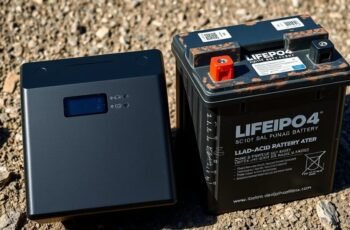
We recognize that replacing lead-acid batteries with LiFePO4 can offer significant benefits, but the decision involves technical considerations that must be carefully evaluated. Factors like voltage compatibility, physical dimensions, and charging protocols are critical to guarantee system integrity. Understanding these nuances is essential before making any switch, as improper installation or mismatched components could compromise safety or performance. Let’s explore the key differences and what’s necessary for a successful shift.
Key Takeaways
- Verify system voltage, dimensions, and terminal placement to ensure compatibility with LiFePO4 batteries.
- Adjust the charging system’s voltage and profile to match LiFePO4’s requirements for safe operation.
- Ensure the existing Battery Management System (BMS) supports lithium chemistry or install a compatible BMS.
- Consider the higher initial cost but longer lifespan and better safety features of LiFePO4 batteries.
- Proper installation, professional assistance, and ongoing monitoring are essential for a safe, effective replacement.
How Do Lead-Acid and LiFePO4 Batteries Differ in Design and Chemistry
While both lead-acid and LiFePO4 batteries serve as energy storage solutions, they differ markedly in their underlying design and chemistry. Lead-acid batteries utilize a flooded or absorbed glass mat design with lead plates and sulfuric acid electrolytes, resulting in a simpler manufacturing process but shorter battery lifespan due to sulfation and corrosion. In contrast, LiFePO4 batteries employ lithium iron phosphate chemistry within a prismatic or cylindrical cell structure, offering higher thermal stability and longer cycle life. Their manufacturing processes are more complex, involving precise electrode fabrication and quality control, which contribute to enhanced durability and consistent performance. These fundamental differences influence not only the batteries’ longevity but also their overall efficiency, safety, and suitability for various applications.
Is My Vehicle or System Compatible With LiFePO4 Batteries?

To determine if your vehicle or system can safely accommodate LiFePO4 batteries, we need to assess voltage compatibility, physical dimensions, and charging system requirements. These factors directly influence whether the batteries will perform reliably and integrate seamlessly. A thorough analysis guarantees the system’s electrical and mechanical specifications align with the characteristics of LiFePO4 technology.
Voltage Compatibility Check
How can we determine if our vehicle or system is compatible with LiFePO4 batteries? The key factor is voltage compatibility. We need to verify that the battery’s nominal voltage aligns with the system’s voltage requirements. LiFePO4 cells typically have a voltage of 3.2V per cell, so a 12V system usually requires four cells in series, totaling around 12.8V. Overvoltage or undervoltage mismatches can cause system failure or damage. Additionally, considering the environmental impact, LiFePO4 batteries are more sustainable and easier to recycle, reducing waste compared to lead-acid batteries. Ensuring proper voltage compatibility not only prevents technical issues but also supports better battery recycling practices, ultimately minimizing the environmental footprint of energy storage solutions.
Physical Fit Requirements
Determining if LiFePO4 batteries will physically fit into your vehicle or system requires precise measurement and comparison of dimensions. We need to verify the battery’s length, width, height, and terminal placement against existing compartments and mounting points. This guarantees proper installation without modification, maintaining structural integrity. Since LiFePO4 batteries are more compact and lighter than lead-acid equivalents, they often provide flexibility, but differences can still affect fit. Proper fitment also influences battery recycling options and guarantees safe operation, minimizing environmental impact from improper installations. Careful measurement avoids unnecessary costs and reduces waste, supporting sustainable practices. Ultimately, confirming physical compatibility is a vital step toward an efficient, eco-conscious upgrade, aligning performance needs with environmental responsibility.
Charging System Compatibility
Since LiFePO4 batteries have different charging characteristics compared to traditional lead-acid types, evaluating the compatibility of your vehicle’s or system’s charging system is essential before making the switch. LiFePO4 batteries require a charger specifically designed for lithium chemistry, as they demand a different charging profile—higher voltage cutoff and constant current/voltage regulation. Using incompatible chargers can lead to overcharging, reduced battery lifespan, or safety hazards. Beyond technical compatibility, considering the environmental impact is crucial; LiFePO4 batteries are more eco-friendly due to their longer lifespan and easier battery recycling processes, reducing waste. Ensuring your system can support proper charging not only safeguards performance but also aligns with sustainable practices, minimizing environmental footprint and promoting responsible battery recycling.
What Are the Advantages and Disadvantages of Switching to LiFePO4?
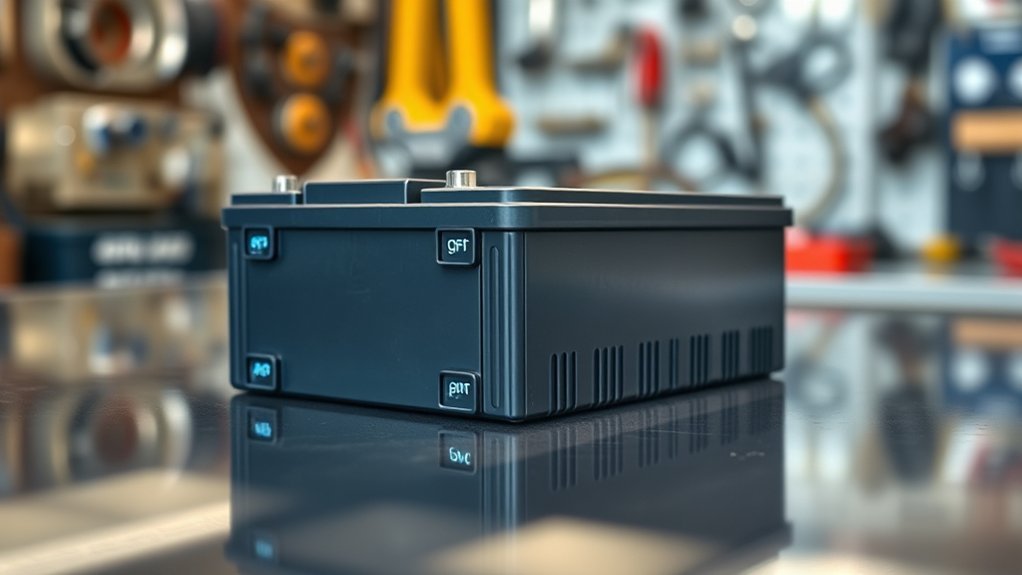
Switching to LiFePO4 batteries offers a range of notable advantages, particularly regarding safety, longevity, and performance consistency. These batteries are inherently safer due to their stable chemistry, reducing risks of thermal runaway. They also feature a longer cycle life, often exceeding 2,000 charge cycles, reducing replacement frequency and waste. Additionally, LiFePO4 batteries have a lower environmental impact, thanks to their stable materials and improved recyclability, supporting sustainable battery recycling efforts. However, disadvantages include higher initial costs and a lower energy density compared to lead-acid, which may influence space and weight considerations.
- Enhanced safety profile
- Extended lifespan and durability
- Reduced environmental footprint
- Higher upfront investment
- Slightly lower energy density
How to Determine the Correct Size and Capacity of a LiFePO4 Battery for Your Needs
Choosing the correct size and capacity of a LiFePO4 battery is essential to guarantee ideal performance and efficiency for your application. To determine this, we analyze your energy demand, daily usage, and reserve capacity needs. Calculating the total watt-hours required ensures proper sizing, minimizing excess capacity that affects cost and environmental impact. Size selection should also consider discharge rates to optimize lifespan and safety. Proper sizing reduces the need for frequent battery recycling, which can lower environmental impact. Oversized batteries waste materials and energy during production, while undersized units risk insufficient power. Precise calculations help optimize resource use, promote sustainable practices, and ensure your system operates reliably. This analytical approach balances performance, longevity, and environmental responsibility.
Can You Use Existing Charging Systems With LiFePO4 Batteries?
We need to assess whether existing charging systems can meet the specific voltage and current requirements of LiFePO4 batteries. Proper adjustments to charger settings are essential to guarantee efficient, safe charging and to prevent damage. Additionally, understanding the integration of battery management systems is critical for maintaining ideal performance and longevity.
Compatibility of Charger Settings
While existing charging systems may appear compatible at first glance, using them with LiFePO4 batteries requires careful adjustment of charging parameters. Standard chargers designed for lead-acid batteries often deliver higher voltages and different charge profiles, which can compromise LiFePO4 lifespan and safety. Proper configuration is vital to optimize performance and guarantee safe operation, especially considering environmental impact and battery recycling considerations. Incorrect settings may lead to premature battery failure or safety hazards. Key points to contemplate include:
- Adjusting charging voltage limits
- Modifying bulk and float charge profiles
- Ensuring charger compatibility with LiFePO4 chemistry
- Monitoring temperature compensation settings
- Verifying that the system prevents overcharging or deep discharges
These adjustments are critical to align with LiFePO4 specifications, supporting sustainable battery recycling and minimizing environmental impact.
Adjustments for Optimal Charging
Can existing charging systems be effectively used with LiFePO4 batteries? While many traditional chargers are compatible, they often require adjustments to optimize performance and longevity. LiFePO4 batteries demand a different charging profile, specifically a lower voltage cutoff and a constant current/voltage approach tailored to their chemistry. Failing to modify these settings can lead to incomplete charging or reduced cycle life. Proper calibration not only enhance battery efficiency but also support sustainable practices like battery recycling, which minimizes environmental impact by reducing waste and hazardous materials. Upgrading or tuning existing systems ensures safety, prolongs battery lifespan, and aligns with eco-friendly disposal methods. Overall, careful calibration is essential for maximizing benefits while mitigating potential environmental concerns associated with improper battery management.
Battery Management System Needs
Although many existing charging systems can physically connect to LiFePO4 batteries, their effectiveness depends on meeting specific management needs. These batteries require precise voltage regulation, temperature monitoring, and balancing to optimize lifespan and performance. A compatible Battery Management System (BMS) must also consider factors like battery recycling protocols and appropriate storage temperature to prevent capacity loss or safety hazards. Without proper management, LiFePO4 cells risk overcharging, thermal runaway, or degradation, undermining their advantages over lead acid. Existing systems may need modifications or dedicated BMS integration to handle these requirements effectively. Proper management ensures safe operation, enhances cycle life, and supports sustainable recycling practices, making tailored BMS essential for reliable LiFePO4 use.
What Electrical Considerations Should You Know Before Replacing Lead-Acid With LiFePO4?
Before replacing lead-acid batteries with LiFePO4, it’s essential to understand the key electrical differences that influence system compatibility. LiFePO4 batteries typically offer a longer battery lifespan due to their stable chemistry and reduced degradation over cycles. This impacts overall system design, requiring adjustments in charging parameters and wiring configurations. Additionally, LiFePO4’s environmental impact is lower, as it produces fewer toxic emissions and contains less harmful materials, making it a more sustainable choice. However, their higher voltage per cell necessitates compatible charge controllers and inverter settings to prevent overcharging or damage. Recognizing these electrical considerations guarantees system efficiency, safety, and longevity, enabling a smooth transition from lead-acid to LiFePO4 batteries.
Are There Safety Concerns or Risks When Switching to LiFePO4?
Switching to LiFePO4 batteries introduces specific safety considerations, particularly related to fire risk management and thermal stability. Proper handling procedures are vital to prevent damage and guarantee safe operation, especially during installation and maintenance. Addressing thermal runaway prevention is critical, as it can lead to hazardous conditions if not carefully managed.
Fire Risk Management
While LiFePO4 batteries are generally considered safer than traditional lead-acid options, understanding their fire risk management is essential when shifting. Their stable chemistry reduces the likelihood of thermal runaway, but risks still exist during manufacturing, installation, or damage. Proper system design and protective circuitry are critical to mitigate fire hazards. Additionally, the environmental impact of fire incidents involves potential release of hazardous materials, emphasizing the importance of effective fire suppression measures. Recycling processes also play a key role; LiFePO4 batteries are less prone to fires during disposal, but safe handling remains essential to prevent environmental contamination.
- Robust battery management systems (BMS)
- Fire suppression integration
- Overcurrent and thermal protection
- Safe storage and transport protocols
- Environmental considerations in fire scenarios
Proper Handling Procedures
Switching to LiFePO4 batteries introduces specific safety considerations that must be carefully managed to prevent hazards. Proper handling procedures are essential to maximize battery longevity and minimize environmental impact. Handling these batteries requires awareness of correct installation, avoiding physical damage that could compromise cell integrity or cause leaks. Safe charging practices are critical, as overcharging or using incompatible chargers can reduce lifespan or pose safety risks. Additionally, proper storage and disposal procedures help mitigate environmental impact by preventing chemical leakage and supporting recycling efforts. Adequate training ensures safe practices during maintenance and installation, reducing the risk of accidental damage. By adhering to these procedures, users can enhance battery longevity and guarantee environmentally responsible use, making the switch both safe and sustainable.
Thermal Runaway Prevention
Although LiFePO4 batteries are generally considered safer than other lithium-ion chemistries, thermal runaway remains a potential safety concern if proper precautions are not taken. Preventing thermal runaway involves rigorous system design, including thermal management, proper venting, and overcurrent protection. Proper battery recycling practices are essential to minimize environmental impact and reduce risks associated with disposal. Regular monitoring of cell temperatures and voltage levels helps identify early signs of thermal stress. Additionally, incorporating high-quality battery management systems (BMS) ensures balanced charging and discharging, mitigating safety risks. Understanding these safety measures is critical to maximizing the benefits of LiFePO4, particularly in reducing environmental impact through responsible recycling. With careful design, the risks of thermal runaway can be effectively managed, ensuring safer operation.
How to Properly Install and Maintain a LiFePO4 Battery in Your Vehicle or System
Proper installation and ongoing maintenance of a LiFePO4 battery are critical to guarantee ideal performance and safety within your vehicle or system. Correct wiring, voltage regulation, and secure mounting prevent hazards like thermal runaway. Regular monitoring of voltage and capacity helps optimize lifespan and detect early signs of degradation. Proper charging protocols, including avoiding overcharging, are essential to maintain battery health. Additionally, responsible battery recycling minimizes environmental impact and supports sustainability. Maintaining a detailed record of usage and disposal aligns with eco-friendly practices, reducing potential hazards associated with improper disposal. By following these procedures, users assure reliable operation, extend battery longevity, and contribute to environmental conservation, emphasizing the importance of technical precision and environmental responsibility throughout the battery’s lifecycle.
What Costs Are Involved When Transitioning From Lead-Acid to LiFePO4?
Shifting from lead-acid to LiFePO4 batteries involves several cost considerations that impact the overall investment. The initial purchase price of LiFePO4 cells is higher, reflecting advanced chemistry and longer lifespan. Additional expenses include upgrading or replacing existing battery management systems (BMS) for compatibility, and potential modifications to charging infrastructure to accommodate different voltage profiles. There are also indirect costs, such as training for proper installation and maintenance. Environmental impact considerations, like proper battery recycling, can incur costs but reduce long-term environmental liabilities.
- Higher upfront battery costs
- BMS upgrade or replacement
- Infrastructure modifications
- Training and installation expenses
- Battery recycling and disposal fees
Should You Consult a Professional or DIY When Making the Switch?
Deciding whether to undertake the switch from lead-acid to LiFePO4 batteries ourselves or hire a professional involves evaluating technical complexity and safety considerations. While DIY installation can be cost-effective, it risks compromising battery lifespan if connections are improper or safety protocols are neglected. Professionals bring expertise in ensuring ideal system integration, which directly affects environmental impact by minimizing hazards and ensuring proper disposal of old batteries. A professional assessment can identify potential issues that may reduce the longevity of your new batteries, preserving their lifespan. Ultimately, if you lack technical experience, consulting a specialist helps safeguard both the environmental impact and the efficiency of your battery system, ensuring a safer, more reliable changeover.
Frequently Asked Questions
How Long Do Lifepo4 Batteries Typically Last Compared to Lead-Acid?
Lifepo4 batteries typically last 8-10 years, surpassing lead-acid’s 3-5 years, due to superior battery chemistry. This extended lifecycle reduces overall lifecycle cost, making Lifepo4 a more durable, cost-effective choice over lead-acid batteries in the long run.
Can Lifepo4 Batteries Be Recycled Easily?
We believe LiFePO4 batteries can be recycled easily, substantially reducing environmental impact through efficient battery recycling processes. Their chemical stability minimizes hazardous waste, making them a sustainable choice; this technical advantage underscores their eco-friendly potential, revolutionizing battery recycling.
Are There Temperature Limitations for Lifepo4 Battery Use?
Lifepo4 batteries, with their specific battery chemistry, have temperature limitations that require effective thermal management. Extreme heat or cold can impact performance and lifespan, so proper thermal regulation is essential for safe, efficient operation across diverse environments.
How Does the Weight of Lifepo4 Compare to Lead-Acid Batteries?
Ever wondered how battery chemistry impacts weight? LiFePO4 batteries are considerably lighter than lead-acid ones, thanks to different materials and design. Their charging protocols also optimize weight efficiency, making them ideal for space-sensitive applications like RVs or solar setups.
Will Switching Affect Warranty Coverage on My System or Vehicle?
Switching to LiFePO4 can impact warranty coverage due to potential system compatibility issues and manufacturer policies. We recommend reviewing your system’s specifications and consulting warranty terms to guarantee proper alignment and avoid voiding coverage.
Conclusion
In summary, shifting from lead-acid to LiFePO4 is akin to upgrading from a trusty steed to a thoroughbred—offering greater reliability and performance, but demanding careful planning and precise execution. By thoroughly evaluating your system’s compatibility, understanding the technical nuances, and consulting professionals when needed, we can harness the full potential of LiFePO4 technology. This upgrade isn’t just a change; it’s a strategic step toward a more sustainable, resilient energy future.