When comparing Lithium Iron Phosphate (LiFePO4) batteries with AGM lead-acid batteries, it’s essential to evaluate their technical differences, performance characteristics, and suitability for specific applications. Both types have distinct advantages and limitations that influence long-term efficiency and safety. Understanding these nuances can markedly impact your decision-making process, but determining which option best aligns with your needs requires a closer look at how each battery type operates and performs under various conditions.
Key Takeaways
- Lifepo4 batteries have higher energy density and longer cycle life compared to AGM batteries.
- AGM batteries are generally cheaper upfront but require more frequent replacements.
- Lifepo4 offers better thermal stability and safety, reducing fire risk.
- AGM batteries are suitable for high-current applications like starting engines.
- Lifepo4 batteries are more environmentally friendly with easier recycling processes.
What Are Lifepo4 and AGM Batteries? An Overview
Lifepo4 and AGM batteries are two prominent types of rechargeable batteries commonly used in various applications, from renewable energy systems to automotive and backup power. Lifepo4 batteries utilize lithium iron phosphate chemistry, offering high energy density and long cycle life, with manufacturing processes emphasizing safety and efficiency. AGM batteries, a type of lead-acid design, feature absorbed glass mat separators that enhance durability and maintenance-free operation. Both battery types are increasingly relevant in sustainable practices; Lifepo4 batteries are more recyclable, simplifying battery recycling and reducing environmental impact. Manufacturing processes for each vary considerably, influencing material sourcing and recycling methods. Understanding these distinctions helps in evaluating their roles within energy storage systems, emphasizing the importance of sustainable lifecycle management for both Lifepo4 and AGM technologies.
How Do Lifepo4 and AGM Batteries Work Differently? Technology Explained
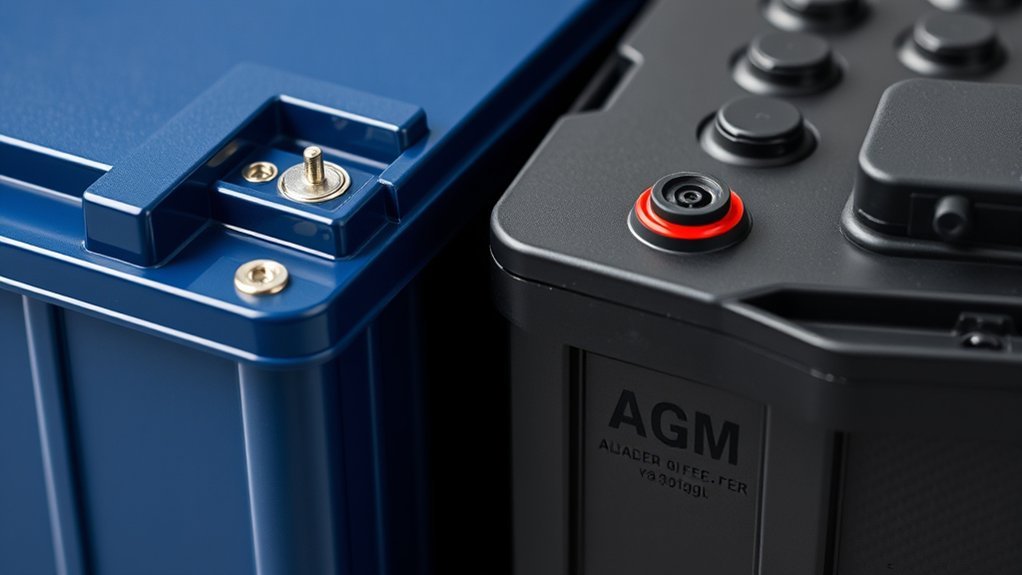
While both Lifepo4 and AGM batteries serve as rechargeable energy storage solutions, they operate based on fundamentally different chemical and electrochemical principles. Lifepo4 batteries utilize lithium iron phosphate chemistry, where lithium ions shuttle between an anode and cathode during charge and discharge, enabling high stability and longevity. AGM batteries, on the other hand, rely on lead-acid chemistry, with sulfate crystals forming on lead plates during discharge. These differences influence manufacturing processes; Lifepo4 cells require precise control of electrolyte composition and advanced manufacturing techniques, impacting battery recycling methods due to the distinct materials involved. AGM batteries involve simpler manufacturing but pose challenges in recycling lead components. Overall, these technological differences underpin their performance, safety, and environmental considerations.
Comparing Performance: Capacity, Power, and Charging Speed
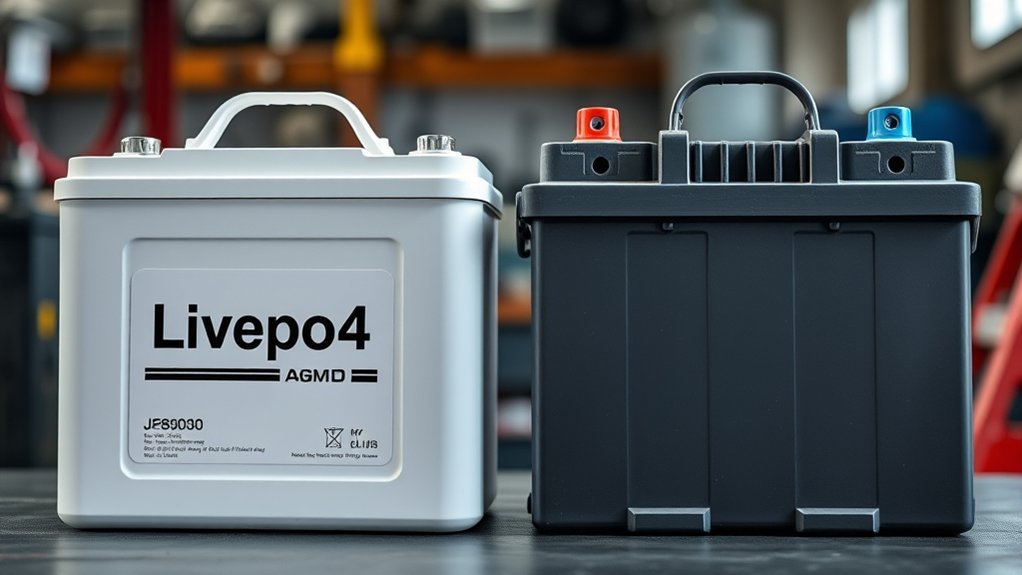
Evaluating the performance of these batteries involves examining their capacity, power output, and charging capabilities. Lifepo4 batteries, with their distinct battery chemistry, offer higher energy density and stable voltage, enabling consistent power delivery and efficient charging. AGM batteries, relying on lead-acid chemistry, typically have lower energy density but excel in high-current applications due to their robust design. Capacity-wise, Lifepo4 units often provide greater cycle life and reliable performance at deeper discharges. Charging speed varies: Lifepo4 batteries can be charged rapidly without damaging the chemistry, while AGM batteries require more cautious charging to prevent sulfation. Overall, Lifepo4 batteries deliver superior capacity and power sustainability, whereas AGM batteries remain practical for applications demanding immediate high current, though with slower recharge times.
Lifepo4 vs AGM: Which Is Safer for Your Applications?
When evaluating safety, we consider chemical stability and the potential risks of fire or explosion, which vary between Lifepo4 and AGM batteries. Lifepo4 cells generally exhibit higher thermal stability, reducing the likelihood of catastrophic failure, but handling procedures remain critical. Understanding these safety profiles helps us determine which battery type better fits specific applications concerning risk management.
Chemical Stability and Safety
Lithium iron phosphate (LiFePO4) batteries are inherently more stable than traditional AGM lead-acid batteries due to their robust chemical composition. This stability reduces the risk of thermal runaway and enhances safety during operation. LiFePO4’s stable chemical structure means fewer hazards associated with manufacturing processes and battery recycling, as it produces fewer toxic byproducts. In contrast, AGM batteries contain lead and sulfuric acid, which pose environmental and safety concerns if damaged or improperly disposed of. To illustrate, consider the following comparison:
| Feature | LiFePO4 | AGM Battery | Impact on Safety |
|---|---|---|---|
| Chemical Composition | Stable, non-toxic | Toxic, hazardous materials | Higher safety profile |
| Recycling Concerns | Less hazardous | More complex, toxic waste | Safer recycling process |
| Thermal Stability | High | Moderate | Reduced risk of thermal events |
| Manufacturing Safety | Safer due to stable chemicals | More hazardous | Lower safety risk during production |
Risk of Fire or Explosion
LiFePO4 batteries are inherently safer than AGM lead-acid batteries regarding fire and explosion risks due to their stable chemical composition and thermal properties. The battery chemistry of LiFePO4 is less prone to thermal runaway, as it maintains stable voltage levels and resists overheating. Manufacturing standards for LiFePO4 cells emphasize rigorous safety testing and quality controls, reducing variability and defect risks. In contrast, AGM batteries, based on lead-acid chemistry, can release flammable gases during overcharge or failure, increasing fire hazards. The robust design and inherent chemical stability of LiFePO4 batteries markedly lower explosion risks, especially under extreme conditions. Overall, the combination of resilient chemistry and strict manufacturing standards makes LiFePO4 a safer choice for applications demanding higher safety margins.
Handling and Maintenance Risks
Handling and maintenance procedures considerably influence the safety profiles of both LiFePO4 and AGM batteries. Proper handling reduces risks associated with electrical faults and chemical exposure. For LiFePO4 batteries, risks mainly involve thermal management during charging and disassembly, emphasizing manufacturing safety standards. AGM batteries require careful handling to prevent electrolyte leaks, which pose chemical hazards.
Key considerations include:
- Ensuring correct disposal and battery recycling practices to minimize environmental impact and prevent hazardous exposure.
- Following manufacturer guidelines for maintenance to avoid short circuits and capacity loss.
- Using proper protective equipment during repair or disposal, aligning with manufacturing safety protocols to mitigate risks during handling and maintenance.
Durability and Lifespan: How Long Do These Batteries Last?
When comparing durability and lifespan, we focus on cycle life, which determines how many charge-discharge cycles a battery can sustain before capacity declines considerably. Lifepo4 batteries generally offer higher cycle counts, translating to longer operational periods, while AGM batteries tend to have shorter cycle lives. Additionally, environmental impact considerations influence long-term sustainability, as Lifepo4 batteries typically have a smaller ecological footprint due to their longer lifespan and fewer hazardous materials.
Battery Cycle Life
Understanding the cycle life of batteries is essential for evaluating their long-term durability and overall lifespan. Lifepo4 and AGM batteries differ significantly in this regard, primarily due to their chemistry and manufacturing standards.
- Lifepo4 batteries typically offer 2,000-3,000 cycles, maintaining capacity over many years, thanks to their stable chemistry.
- AGM batteries generally provide 500-1,000 cycles, with capacity decline happening sooner, especially under deep discharge conditions.
- Both types benefit from improved manufacturing standards that enhance durability, but Lifepo4 batteries are more aligned with sustainable practices like battery recycling, extending their functional lifespan.
Hence, cycle life directly influences overall lifespan and environmental impact, emphasizing the importance of quality manufacturing standards in battery selection.
Environmental Impact
Given their differing chemistries and manufacturing standards, Lifepo4 and AGM batteries exhibit distinct environmental impacts related to durability and lifespan. Lifepo4 batteries generally last longer, reducing the frequency of replacement and associated waste, which benefits battery recycling efforts. Their stable chemistry also minimizes environmental hazards during disposal, aligning with stringent environmental regulations. Conversely, AGM batteries have a shorter lifespan, leading to more frequent replacements and increased waste generation. This necessitates robust recycling programs to mitigate environmental risks posed by lead and acid components. The durability of Lifepo4 batteries often results in lower lifecycle emissions, whereas AGM batteries require more rigorous disposal protocols. Overall, Lifepo4’s extended lifespan and safer chemistry offer a more environmentally sustainable profile compared to AGM batteries.
Cost Considerations: Upfront Investment and Long-Term Value
The initial cost difference between Lifepo4 and AGM batteries considerably influences their overall value proposition. Lifepo4 batteries typically have a higher upfront price but offer superior long-term value through extended cycle life and enhanced durability.
- Lifepo4 batteries, despite higher initial costs, reduce total ownership expenses due to lower maintenance and longer lifespan, making battery recycling more sustainable over time.
- AGM batteries are generally cheaper initially but may require replacement sooner, increasing long-term costs.
- Charging compatibility also impacts value; Lifepo4 batteries often demand specific chargers, but their stable voltage profile improves efficiency and safety, further enhancing long-term savings.
Considering these factors, evaluating upfront investment against longevity and operational efficiency is essential when choosing between these technologies.
Best Use Cases for Lifepo4 Batteries
Lifepo4 batteries are particularly well-suited for applications that demand high safety, long cycle life, and reliable performance under varying conditions. Their stable chemistry minimizes thermal runaway risks, making them ideal for renewable energy systems like solar energy setups. Additionally, their durability supports extensive battery recycling programs, reducing environmental impact. In solar energy applications, Lifepo4 batteries excel due to their ability to handle frequent charge-discharge cycles without significant capacity loss. This longevity ensures consistent energy storage performance over years, which is critical for off-grid and grid-tied systems. Their inherent safety and stability also make them preferable in portable and backup power solutions. Overall, Lifepo4 batteries are a strategic choice for sustainable, long-term energy storage in both residential and commercial contexts.
Best Use Cases for AGM Batteries
AGM batteries excel in starting engines due to their high burst current capability, making them a reliable choice for ignition systems. They also demonstrate strong performance in deep cycling applications, maintaining capacity over multiple discharge cycles. Understanding these attributes helps identify ideal use cases where AGM batteries deliver consistent, dependable power.
Ideal for Starting Engines
Because reliable engine starts are critical in various applications, AGM batteries excel in providing high current bursts necessary for ignition. Their ability to deliver instant power makes them ideal for starting engines in automobiles, boats, and backup systems. The robust construction supports quick energy release, guaranteeing consistent performance even in cold conditions. When considering battery aesthetics, AGM designs offer a clean, professional look that fits well in tight engine compartments. Additionally, compatibility with various charging accessories, such as smart chargers, enhances maintenance efficiency and prolongs lifespan.
- They provide high cranking amps essential for reliable starts.
- Their sealed design minimizes spillage and maintenance needs.
- Compatibility with advanced charging accessories ensures peak performance.
Reliable for Deep Cycling
While AGM batteries excel at delivering short bursts of high current for engine starts, their design also supports reliable deep cycling performance in various applications. Their robust construction, using fiberglass separators and tightly wound plates, allows for repeated charge-discharge cycles without significant capacity loss. This makes AGM batteries suitable for renewable energy systems, golf carts, and marine use, where deep cycling is essential. Additionally, their manufacturing processes emphasize durability and safety, with improved battery recycling methods that minimize environmental impact. The ability to withstand frequent cycling without degradation extends their service life, offering a cost-effective solution. Overall, AGM batteries provide consistent performance for deep cycling needs, leveraging advanced manufacturing techniques and sustainable practices that guarantee reliability over extended use.
Maintenance and Care: Tips to Extend Battery Life
Proper maintenance and careful handling are vital for maximizing the lifespan of both Lifepo4 and AGM batteries. Adhering to proper charging protocols prevents overcharging or deep discharging, which can degrade performance over time. Additionally, consistent monitoring and timely battery recycling are indispensable for safety and environmental responsibility.
To extend battery life, we recommend:
- Following manufacturer-specific charging protocols to enhance charge cycles and avoid capacity loss.
- Regularly inspecting for corrosion and ensuring terminals are clean and secure.
- Properly recycling batteries at end-of-life to prevent environmental harm and facilitate the recovery of valuable materials.
Implementing these practices guarantees both safety and longevity while maintaining peak performance of Lifepo4 and AGM batteries.
Making the Right Choice: Which Battery Suits Your Needs Best?
Selecting the appropriate battery depends on evaluating specific operational needs and environmental conditions, as each type offers distinct advantages and limitations. Lifepo4 batteries excel in voltage stability, maintaining consistent power output essential for sensitive electronics, and support sustainable practices through efficient battery recycling. AGM batteries, meanwhile, provide reliable performance in varied conditions and are generally more cost-effective upfront. When considering which suits your needs, assess factors like cycle life, maintenance requirements, and environmental impact. If long-term sustainability and stable voltage are priorities, Lifepo4 is advantageous. Conversely, for immediate affordability and ruggedness, AGM batteries may be preferable. Ultimately, understanding these technical differences guarantees a well-informed decision aligned with your operational demands and environmental consciousness.
Frequently Asked Questions
Are Lifepo4 Batteries Environmentally Friendly Compared to AGM Batteries?
We find LiFePO4 batteries more environmentally friendly due to their sustainable recycling processes and lower manufacturing impacts, which reduce toxic waste. In contrast, AGM batteries involve more hazardous materials and complex recycling, impacting overall ecological footprints.
Can Lifepo4 Batteries Be Used in Cold Weather Conditions?
Back in the day, we’d say lifepo4 batteries handle cold weather pretty well. Their performance depends on battery temperature; they function reliably in cold weather, but ideal operation requires careful management of temperature for safety and longevity.
How Do Lifepo4 Batteries Handle Deep Discharges Differently?
We find that LiFePO4 batteries handle deep discharges better than AGM, maintaining longer battery lifespan and superior cycle stability. Although initially more costly, their durability often justifies the investment compared to AGM’s shorter lifespan and lower upfront cost.
Are There Size or Weight Advantages of One Battery Type Over the Other?
We find Lifepo4 batteries generally have smaller dimensions and lower weight compared to AGM batteries. Their optimized design offers a favorable weight comparison, making them more suitable for space-constrained applications requiring efficient energy storage without significant size or weight penalties.
Do Lifepo4 Batteries Require Specific Charging Equipment?
We find that LiFePO4 batteries do require specific charging protocols, such as compatible chargers with lithium settings, to prevent damage and guarantee safety. Compatibility considerations are essential for peak performance and longevity.
Conclusion
Ultimately, choosing between LiFePO4 and AGM batteries depends on your specific needs. While AGM batteries may seem more cost-effective upfront, their shorter lifespan and environmental concerns can outweigh initial savings. LiFePO4 batteries, though initially more expensive, offer superior durability, safety, and eco-friendliness over time. Investing in the right technology guarantees long-term performance and sustainability, making LiFePO4 a smarter choice for renewable energy and long-term applications—despite the higher initial cost.