Picture two batteries at the heart of a complex energy system, each with distinct strengths and weaknesses. As we examine Lifepo4 and deep cycle lead acid batteries, we uncover differences that could influence long-term performance and safety. Understanding these nuances is vital for making informed decisions about which technology best fits specific applications. Let’s explore how these options compare across key performance metrics to find the most suitable choice.
Key Takeaways
- Lifepo4 batteries have higher energy density, longer lifespan, and require less maintenance than deep cycle lead acid batteries.
- Lead acid batteries are more affordable upfront but have shorter cycles and higher environmental disposal concerns.
- Lifepo4 offers safer chemistry, reduced risk of thermal runaway, and easier recycling compared to lead acid options.
- Deep cycle lead acid batteries are suitable for short-term applications with lower initial costs; Lifepo4 excels in long-term, high-demand use.
- Overall, Lifepo4 provides better performance, durability, and eco-friendliness, while lead acid batteries are cost-effective for budget-conscious needs.
What Are Lifepo4 and Deep Cycle Lead Acid Batteries?
Lifepo4 and deep cycle lead acid batteries are two prominent types of rechargeable energy storage systems, each with distinct chemical compositions and performance characteristics. Lifepo4 batteries utilize lithium iron phosphate chemistry, offering higher energy density and longer cycle life, while lead acid batteries rely on lead plates immersed in sulfuric acid, making them more economical but less durable. From an environmental perspective, Lifepo4 batteries present advantages due to safer materials and reduced toxic waste, though battery recycling remains essential to mitigate resource depletion. Lead acid batteries, however, pose greater environmental challenges because of hazardous lead and acid, demanding strict recycling processes to prevent contamination. Understanding these differences helps assess their sustainability, lifecycle management, and the overall environmental impact of using each battery type.
How Do Performance and Power Output Compare?
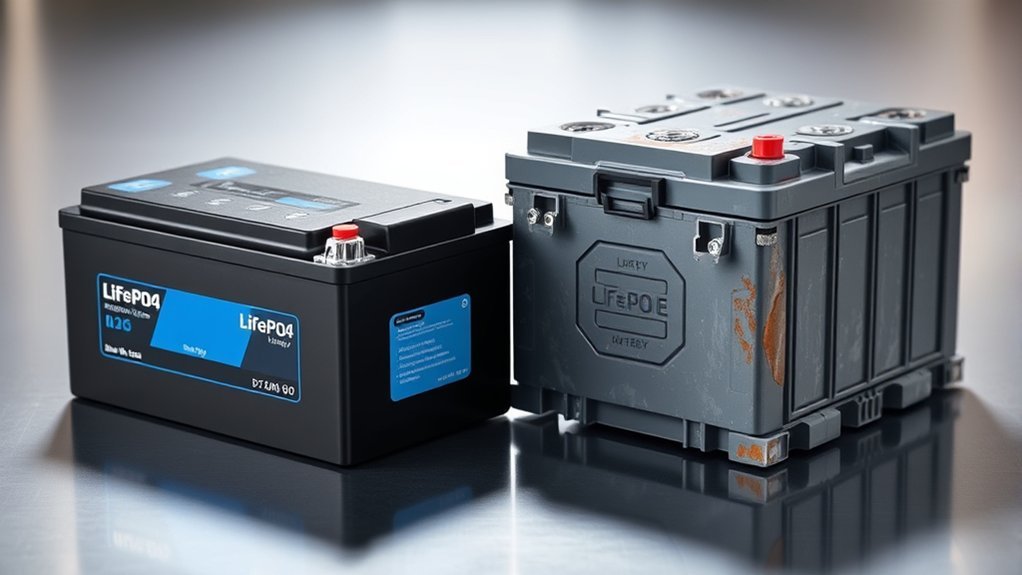
When comparing performance and power output, Lifepo4 batteries generally outperform deep cycle lead acid batteries in several key metrics. This is primarily due to advancements in battery technology, which enable Lifepo4 cells to deliver higher discharge rates consistently. Their superior energy density allows for more compact design and increased power capacity relative to size. Lifepo4 batteries maintain stable voltage throughout discharge cycles, resulting in more reliable power delivery. In contrast, lead acid batteries experience voltage drops and reduced efficiency under high loads. Additionally, Lifepo4’s ability to sustain higher current outputs makes them ideal for demanding applications. Overall, the combination of improved energy density and advanced battery technology gives Lifepo4 batteries a clear edge in performance and power output over traditional lead acid options.
Which Battery Lasts Longer and Needs Less Maintenance?
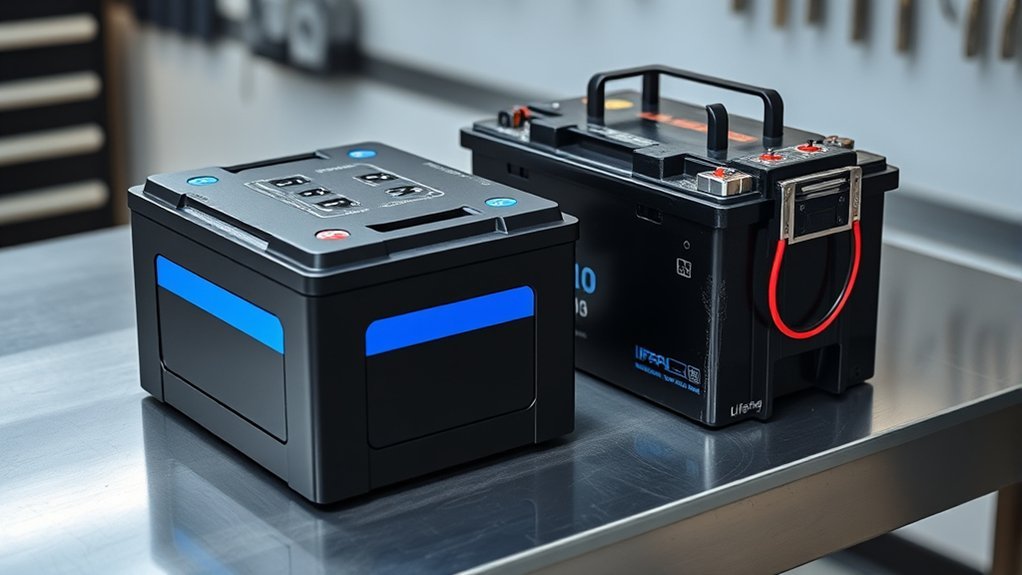
When comparing lifespan and maintenance, Lifepo4 batteries typically outperform lead-acid options due to their advanced chemistry and construction. They also demonstrate greater durability under repeated cycling, reducing overall upkeep. Analyzing these factors helps determine which battery offers superior long-term reliability with minimal maintenance.
Battery Life Expectancy
Among various battery types, lithium iron phosphate (LiFePO4) batteries typically outperform deep cycle lead acid batteries regarding durability and upkeep needs. LiFePO4 batteries generally have a lifespan of 10 to 15 years, markedly exceeding the 3 to 5 years typical for lead acid options. Their longer cycle life results in fewer replacements, reducing environmental impact and supporting better battery recycling processes. This durability translates into cost-effectiveness over time, as replacements are less frequent. Additionally, LiFePO4 batteries demonstrate improved resistance to capacity fade, further extending their service life. In contrast, lead acid batteries require regular maintenance and are more prone to degradation, which accelerates disposal and impacts environmental sustainability. Overall, LiFePO4 batteries offer a longer, more sustainable operational life with a reduced environmental footprint.
Maintenance Requirements
LiFePO4 batteries require markedly less maintenance compared to deep cycle lead acid batteries, making them a more convenient choice for long-term use. They do not require regular watering or equalization charges, reducing operational complexity. Additionally, their stable chemistry minimizes capacity fade and cycle degradation, lessening the frequency of replacements. This durability also translates into a lower environmental impact, as fewer batteries need disposal and recycling. Maintenance efforts for lead acid batteries involve checking electrolyte levels and cleaning terminals, whereas LiFePO4 batteries need minimal oversight. The table below summarizes these differences:
| Aspect | LiFePO4 | Lead Acid |
|---|---|---|
| Maintenance | Low | Moderate to high |
| Recycling | Less hazardous, easier | More hazardous, complex |
| Environmental Impact | Lower | Higher |
| Longevity | Longer cycle life | Shorter cycle life |
Overall Durability
LiFePO4 batteries generally outperform deep cycle lead acid batteries in regards to durability, primarily due to their advanced chemistry and structural robustness. They typically have a longer cycle life, often exceeding 2000 cycles compared to 500-1000 cycles for lead acid. This results in a lower frequency of replacement, reducing overall maintenance needs. Additionally, LiFePO4 batteries are more resilient to deep discharges, which can extend their lifespan and improve reliability. From an environmental perspective, their durability supports better battery recycling, minimizing waste and environmental impact. The longer lifespan means fewer batteries end up in landfills, making them a more sustainable choice. Overall, LiFePO4 batteries offer superior durability, translating to longer-lasting performance with less frequent replacements and reduced environmental footprint.
What Are the Cost and Budget Implications?
When evaluating battery options, we must consider initial purchase costs against long-term savings, as upfront expenses can substantially impact overall budget. Although Lifepo4 batteries typically require a higher initial investment, their durability and reduced maintenance can lead to lower lifetime costs compared to lead acid options. Analyzing maintenance and replacement frequencies provides further insight into the true cost implications of each technology.
Initial Purchase Expenses
Initial purchase costs for energy storage solutions can considerably influence overall project budgets, with LiFePO4 batteries generally requiring a higher upfront investment compared to deep cycle lead acid batteries. This difference stems from material costs, manufacturing complexity, and advanced technological components. Visualizing the expense, consider:
- Higher initial price tag for LiFePO4 cells
- Lower maintenance costs over time
- Potential savings through longer lifespan
- Environmental impact considerations, such as battery recycling and disposal costs
While LiFePO4 batteries demand a larger initial investment, their environmental benefits—reduced toxic waste, easier recycling processes, and lower ecological footprint—may justify the upfront cost. Conversely, lead acid batteries often have lower initial prices but pose greater challenges for battery recycling and environmental impact management.
Long-Term Cost Benefits
Although the higher upfront costs of LiFePO4 batteries can seem intimidating, their true economic advantage emerges over their operational lifespan. These batteries typically offer longer cycle life and greater efficiency, reducing replacement frequency and maintenance expenses. Their lower environmental impact is notable, as they produce fewer emissions during use and contain less toxic materials compared to lead acid options. However, recycling challenges remain; while LiFePO4 batteries are more environmentally friendly in disposal, current recycling infrastructure is less developed, potentially increasing end-of-life costs. Over time, these factors translate into significant savings, especially for large-scale or long-term applications. Ultimately, despite initial investment, LiFePO4 batteries present compelling long-term cost benefits rooted in durability, efficiency, and a more sustainable environmental profile.
Maintenance and Replacement
Have we fully considered how maintenance and replacement costs impact the overall budget when choosing between LiFePO4 and lead acid batteries? LiFePO4 batteries generally require less maintenance, reducing labor and part replacement expenses. Conversely, lead acid batteries demand regular checks, watering, and terminal maintenance, increasing ongoing costs. Over time, the longer lifespan of LiFePO4 batteries decreases replacement frequency, leading to lower total expenditure. Additionally, the environmental impact plays a role: LiFePO4 batteries are more eco-friendly with easier battery recycling options, whereas lead acid batteries pose disposal challenges and higher environmental risks.
Consider these factors:
- Lower maintenance requirements for LiFePO4
- Reduced replacement frequency with longer lifespan
- Costs associated with battery recycling
- Environmental impact and disposal expenses
Which Battery Is Safer and Easier to Use?
When evaluating safety and ease of use, LiFePO4 batteries generally outperform deep cycle lead acid batteries due to their inherent design and chemical stability. Safety considerations favor LiFePO4 because they are non-toxic, have a lower risk of thermal runaway, and produce no dangerous gases during operation. This reduces potential hazards during installation and maintenance. In terms of user friendliness, LiFePO4 batteries are easier to manage because they require less maintenance—no watering or equalization needed—and have a longer lifespan, reducing replacement frequency. Their built-in BMS (Battery Management System) enhances safety by preventing overcharge, over-discharge, and short circuits, simplifying operation for users. Overall, LiFePO4 batteries offer a safer, more straightforward experience, making them the preferred choice for many applications.
Which Battery Is Better for Your Specific Energy Needs?
Choosing the appropriate battery depends primarily on your specific energy requirements, as each type offers distinct advantages aligned with different usage scenarios. For high-capacity, long-term energy storage, Lifepo4 batteries excel with higher cycle life and efficiency. Conversely, deep cycle lead acid batteries may suit shorter-term needs with lower upfront costs. When evaluating which is better, consider:
- Energy density for space-constrained applications
- Cycle durability for frequent use
- Initial cost and maintenance implications
- Environmental impact and battery recycling processes
Lifepo4 batteries are more eco-friendly due to easier recycling and fewer hazardous materials, reducing environmental impact. Lead acid batteries, while cheaper initially, pose challenges for battery recycling and disposal. Selecting the right option aligns with your energy demands and environmental priorities.
Frequently Asked Questions
Are Lifepo4 Batteries Environmentally Friendly?
We believe LiFePO4 batteries are environmentally friendly due to their safer chemistry and longer lifespan, which reduces waste. While the initial cost is higher, their durability and battery safety make them a more sustainable, eco-conscious choice overall.
How Do Temperature Variations Affect Each Battery Type?
Like a ship steering changing seas, battery efficiency and temperature resilience vary; Lifepo4 batteries withstand temperature fluctuations better, maintaining performance, whereas lead acid batteries suffer efficiency loss, highlighting their differing resilience to environmental shifts, vital for ideal operation.
Can Lifepo4 Batteries Be Recycled Easily?
We can recycle Lifepo4 batteries more easily due to their lithium iron phosphate chemistry, which facilitates material recovery, ultimately enhancing battery lifespan and reducing overall costs, making them a more sustainable, cost-effective choice compared to traditional lead acid options.
What Is the Charging Time Comparison?
We find Lifepo4 batteries offer faster charging times and higher power efficiency compared to deep cycle lead acid batteries, thanks to superior chemical stability and lower internal resistance, enabling quicker recharge cycles and enhanced overall performance in demanding applications.
Are There Size or Weight Differences Affecting Portability?
Battery weight considerably impacts portability, with Lifepo4 batteries generally being lighter than deep cycle lead-acid ones. This weight difference directly affects portability, making Lifepo4 more manageable for mobile and space-constrained applications.
Conclusion
In sum, choosing between Lifepo4 and lead acid batteries isn’t just about initial costs or specs; it’s a strategic decision. If longevity, safety, and eco-friendliness matter — and they should — Lifepo4 clearly leads the charge. But if budget’s king, well, lead acid still holds its ground. Ultimately, it’s about aligning your energy needs with the right technology — because, in the end, your power source should work as hard as you do.