At the crossroads of energy storage, the choice between LiFePO4 and lithium-ion batteries symbolizes a balance of investment and longevity. While initial costs favor lithium-ion, factors like cycle life, maintenance, and safety considerably influence long-term value. To determine which option aligns best with your goals, understanding the detailed cost dynamics and durability profiles becomes essential. The decision hinges on more than price alone but on an all-encompassing analysis of each technology’s true long-term economy.
Key Takeaways
- LiFePO4 batteries have higher initial costs but lower replacement and maintenance expenses over their longer lifespan.
- Lithium-ion batteries generally have lower upfront prices but require more frequent replacements, increasing long-term costs.
- LiFePO4 offers better safety and environmental benefits, potentially reducing disposal and safety-related costs.
- The longer cycle life of LiFePO4 reduces total ownership costs despite higher initial investment.
- Cost efficiency depends on application priorities: upfront affordability favors lithium-ion, while durability favors LiFePO4.
How Do LiFePO4 and Lithium-Ion Batteries Differ in Cost?
While LiFePO4 (lithium iron phosphate) batteries generally have a higher upfront cost than traditional lithium-ion (Li-ion) batteries, their long-term economic benefits can offset the initial investment. The lower degradation rate and longer cycle life reduce replacement frequency, leading to cost savings over time. Additionally, LiFePO4’s environmentally friendly composition minimizes ecological impact, especially when considering battery recycling processes. The safer chemical makeup reduces risks associated with disposal and recycling, lessening environmental impact. Conversely, Li-ion batteries often contain cobalt and nickel, which pose environmental and ethical concerns during recycling. These factors influence total lifecycle costs, making LiFePO4 batteries potentially more cost-effective when factoring in environmental impact and sustainable recycling practices. This all-encompassing view highlights the importance of considering both initial costs and ecological benefits in economic assessments.
Initial Purchase Price: Comparing Upfront Expenses
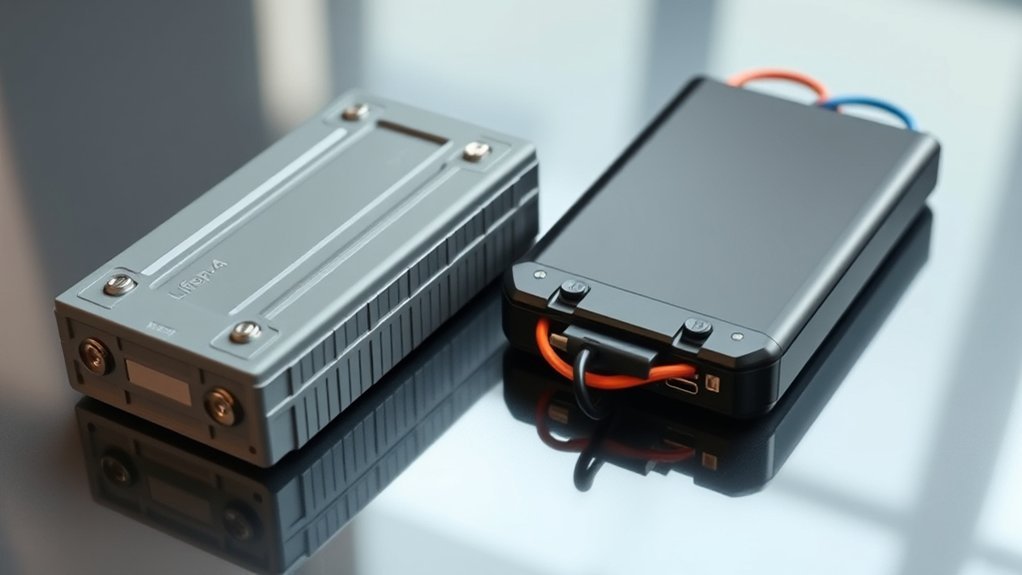
When evaluating the initial purchase price of LiFePO4 versus lithium-ion batteries, the upfront cost disparity is a primary consideration. Lithium-ion batteries generally have a lower initial cost due to mature manufacturing processes and economies of scale. However, LiFePO4 batteries tend to have higher initial prices but offer advantages in battery safety and a lower environmental impact, which can justify the upfront investment.
- Lithium-ion batteries often have a lower initial cost but pose higher safety risks due to thermal runaway.
- LiFePO4 batteries, despite higher upfront expenses, feature enhanced thermal stability and safety.
- The environmental impact of manufacturing and disposal differs, with LiFePO4 being more eco-friendly.
- Cost analysis must weigh initial expenses against safety benefits and environmental considerations for informed decision-making.
Long-Term Value: Cost Savings Over Battery Lifespan
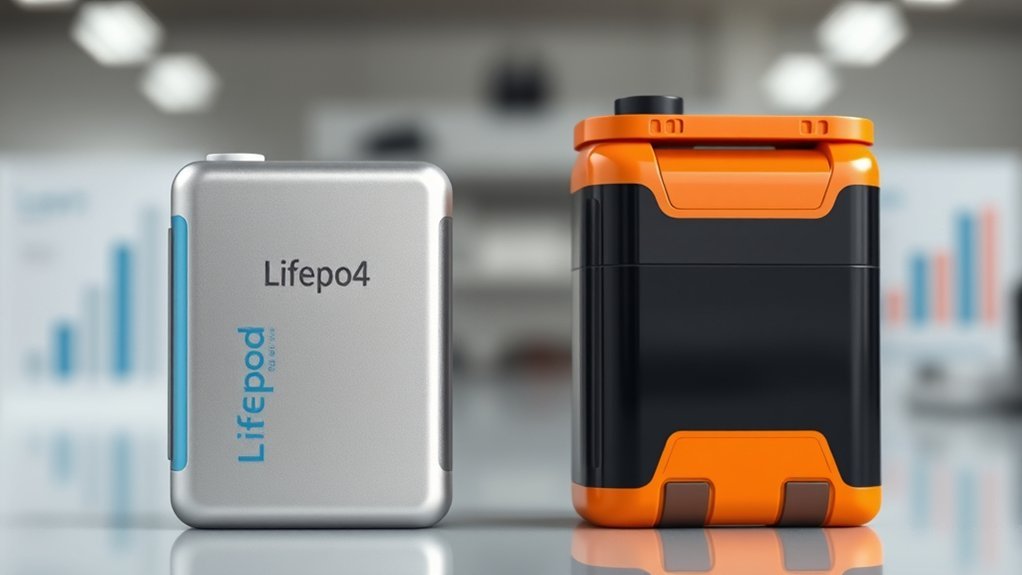
Although initial costs are important, the long-term savings associated with battery lifespan profoundly impact the overall value of LiFePO4 versus lithium-ion batteries. LiFePO4 batteries typically offer longer cycle life—around 2,000 to 5,000 cycles—reducing replacement frequency. This durability lowers total ownership costs and minimizes waste, supporting efficient battery recycling and decreasing environmental impact. Conversely, lithium-ion batteries tend to last 1,000 to 2,000 cycles, leading to higher replacement costs over time. The table below summarizes these differences:
| Aspect | LiFePO4 | Lithium-Ion |
|---|---|---|
| Cycle Life | 2,000-5,000 | 1,000-2,000 |
| Cost Over Time | Lower | Higher |
| Environmental Impact | Reduced waste | Increased waste |
This data-driven perspective demonstrates the long-term cost benefits of LiFePO4, especially when considering battery recycling and environmental sustainability.
Factors Influencing Battery Costs: Size, Capacity, and Brand
The cost of batteries is considerably impacted by their size, capacity, and brand, each influencing manufacturing expenses and market pricing. Larger batteries require more raw materials, increasing production costs, while higher capacity batteries demand advanced cell technology, raising costs further. Brand reputation also affects pricing; established brands often invest more in battery safety and environmental impact, which can elevate prices but enhance reliability.
- Size and capacity directly correlate with material use and technological complexity.
- Brand reputation influences perceived value, safety standards, and environmental commitments.
- Battery safety measures and certifications add to manufacturing costs but reduce risks.
- Environmental impact considerations, such as sustainable sourcing, can raise initial costs but benefit long-term market acceptance. These factors collectively shape the final price point, affecting consumers’ choices between Lifepo4 and lithium-ion batteries.
Maintenance and Replacement Costs for Both Battery Types
Maintenance and replacement costs substantially influence the long-term economic viability of Lifepo4 and lithium-ion batteries. Lifepo4 batteries generally require less maintenance due to their stable chemistry, resulting in fewer replacements over their lifespan. Lithium-ion batteries, conversely, tend to degrade faster, increasing replacement frequency and associated costs. Both types benefit from improved battery recycling processes that mitigate environmental impact and reduce disposal costs. Proper maintenance, such as monitoring voltage and temperature, extends lifespan and minimizes total ownership costs. Considering environmental impact, Lifepo4’s longer cycle life reduces waste and promotes sustainable battery recycling. In contrast, lithium-ion batteries often have higher replacement costs linked to their shorter cycle life, emphasizing the importance of maintenance strategies that optimize performance and minimize environmental footprint.
Which Battery Offers Better Cost Efficiency for Your Needs?
When evaluating cost efficiency, we compare initial purchase prices against long-term savings generated by each battery type. Lifepo4 batteries typically have higher upfront costs but offer longer cycle life and lower maintenance expenses, potentially reducing total ownership costs. Conversely, lithium-ion batteries often have lower initial prices but may incur higher replacement and maintenance costs over time.
Upfront Purchase Price
Have you ever wondered which battery type, Lifepo4 or lithium-ion, offers a more favorable upfront purchase price? When analyzing initial costs, Lifepo4 batteries tend to be more expensive due to higher manufacturing standards and materials. However, lithium-ion batteries often involve more complex chemistry, impacting their initial price point.
Key considerations include:
- Manufacturing costs: Lifepo4’s simpler chemistry can reduce production expenses.
- Battery recycling: Lifepo4 batteries are easier and cheaper to recycle, influencing total lifecycle costs.
- Environmental impact: Higher initial costs for Lifepo4 may offset long-term environmental benefits.
- Market availability: Lithium-ion batteries benefit from established supply chains, often lowering initial prices.
Ultimately, upfront costs depend on production scale, but Lifepo4’s environmental advantages and recycling ease may justify the initial investment.
Long-Term Savings
While initial purchase price is a significant factor, evaluating long-term savings requires analyzing each battery’s lifespan, efficiency, and associated costs over time. Lifepo4 batteries typically last 2,000–5,000 cycles, reducing replacement frequency and lowering total cost of ownership. Lithium-ion batteries generally offer 1,000–2,000 cycles, leading to higher replacement costs. Additionally, Lifepo4 batteries’ superior stability and efficiency minimize energy loss, further enhancing cost savings. When considering environmental impact, Lifepo4’s recyclability and lower toxicity reduce disposal costs and ecological footprint, contributing to long-term financial benefits. In contrast, lithium-ion batteries pose more challenges in battery recycling and have a higher environmental impact, which may increase costs over their lifecycle. Ultimately, Lifepo4 batteries tend to offer better long-term value through durability, efficiency, and sustainable disposal.
Making the Right Choice: Balancing Budget and Performance
Balancing budget constraints with performance requirements is essential when selecting between LiFePO4 and lithium-ion batteries. Cost considerations involve not just initial purchase price but also long-term value, influenced by factors like battery safety and environmental impact. LiFePO4 batteries generally offer superior thermal stability, reducing safety risks, though at a higher upfront cost. Lithium-ion variants may be cheaper initially but often require more maintenance and have shorter lifespans, impacting total cost of ownership.
Choosing between LiFePO4 and lithium-ion batteries requires balancing safety, cost, and long-term performance.
- Prioritize battery safety to minimize risk and liability
- Consider environmental impact for sustainable choices
- Evaluate lifecycle costs, including maintenance and replacement
- Balance performance metrics like energy density and cycle life against budget constraints
Frequently Asked Questions
Are Lifepo4 Batteries More Cost-Effective for Large-Scale Applications?
We find LiFePO4 batteries more cost-effective for large-scale applications due to their longer battery lifespan and lower manufacturing costs over time, which reduces replacement frequency and total lifecycle expenses, making them a more economical choice overall.
How Do Charging Costs Impact Overall Battery Ownership Expenses?
Charging costs considerably impact overall expenses, as manufacturing expenses and transportation costs influence energy efficiency. We analyze data-driven models showing that optimized charging reduces operational costs, making battery ownership more economical despite initial manufacturing and transportation investments.
Do Government Incentives Influence the Total Cost of Lifepo4 Versus Lithium-Ion Batteries?
Think of government incentives as a compass guiding us through financial fog; subsidies and policies directly lower Lifepo4 and lithium-ion battery costs, making them more competitive, but the impact varies depending on regulatory support and market conditions.
What Are the Hidden Costs Associated With Each Battery Type?
We find hidden costs in battery lifespan and manufacturing expenses; Lifepo4’s longer lifespan reduces replacement costs, but higher manufacturing expenses may offset initial savings. Lithium-ion batteries have lower manufacturing costs but shorter lifespans, increasing long-term expenses.
How Does Battery Recycling Affect Long-Term Costs?
Recycling processes considerably lower long-term costs by reducing environmental impact and reclaiming valuable materials, making battery recycling a crucial component for sustainable energy storage; it minimizes resource extraction and disposal expenses, benefiting both economy and environment.
Conclusion
In weighing LiFePO4 against lithium-ion, it’s clear that initial costs are like planting a sturdy seed—more expensive upfront but yielding a resilient, long-lasting tree. Over time, the durability and lower replacement needs of LiFePO4 resemble a well-rooted oak, offering steady savings and enhanced safety. By analyzing lifecycle costs and application demands, we can navigate toward the most cost-effective choice—ensuring our energy investments grow strong and sustainable over the long haul.