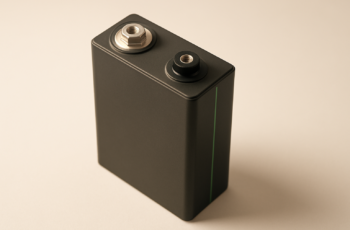
When comparing LiFePO4 and traditional lithium-ion batteries, it’s essential to understand their distinct chemistries and performance characteristics. While both store electrical energy efficiently, their safety profiles, lifespan, and cost implications differ considerably. These factors influence suitability for various applications, from renewable energy to portable devices. To determine which option best aligns with specific needs, a detailed analysis of their technical differences is necessary, especially as emerging technologies continue to evolve.
Key Takeaways
- LiFePO4 uses lithium iron phosphate for better thermal stability and safety compared to cobalt or nickel-based lithium-ion batteries.
- LiFePO4 offers a longer cycle life (over 2,000 cycles) and improved durability in extreme temperatures.
- Lithium-ion batteries generally have higher energy density, making them more suitable for portable, space-constrained applications.
- LiFePO4 batteries are safer, less prone to overheating, and easier to recycle, with a lower environmental impact.
- The initial cost of LiFePO4 is higher, but it provides better long-term value due to its longer lifespan and safety benefits.
What Are LiFePO4 and Lithium-Ion Batteries? An Overview
What distinguishes LiFePO4 batteries from traditional lithium-ion variants? Primarily, their chemistry involves lithium iron phosphate, which offers enhanced thermal stability and safety. These batteries exhibit longer cycle life and better resistance to overheating, making them suitable for demanding applications. From a manufacturing perspective, LiFePO4 cells involve different processes, often resulting in a more environmentally friendly footprint due to lower toxicity. When considering battery recycling, LiFePO4 batteries are easier to process safely, thanks to their stable chemistry. In contrast, conventional lithium-ion batteries typically contain cobalt and other hazardous materials, complicating recycling efforts. Overall, these differences in chemistry and manufacturing processes fundamentally shape their safety profiles, longevity, and environmental impact.
How Do Lithium Iron Phosphate and Lithium-Ion Chemistries Differ?
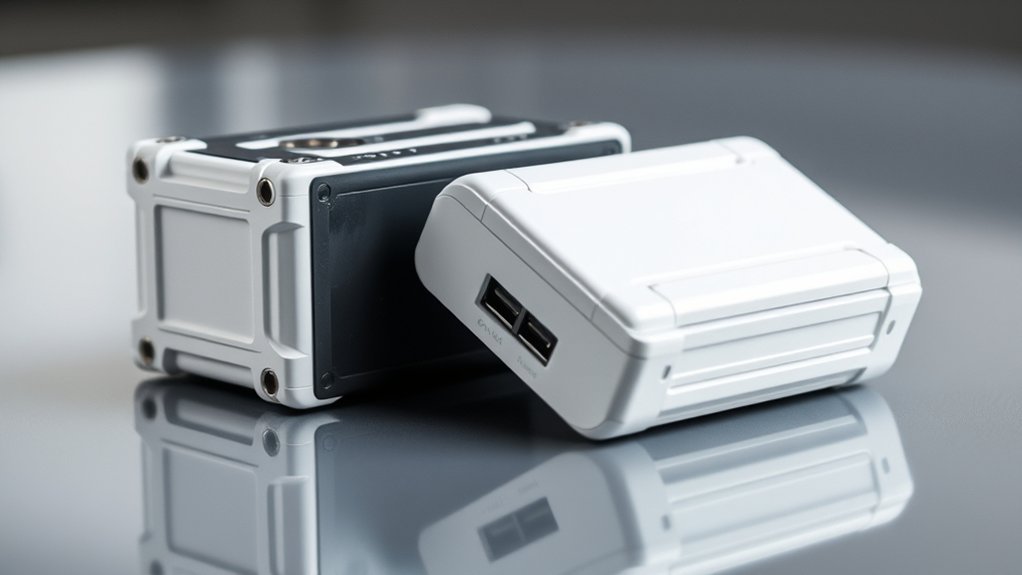
While both Lithium Iron Phosphate (LiFePO4) and traditional lithium-ion batteries rely on lithium-based chemistries, their fundamental differences stem from their core cathode materials, which substantially influence their electrochemical mechanisms and material composition. LiFePO4 features a phosphate-based cathode, leading to a stable crystal structure and consistent voltage. In contrast, typical lithium-ion batteries use layered transition metal oxides, affecting their energy density and voltage profile. These material composition differences result in distinct electrochemical behaviors, such as charge/discharge rates and thermal stability.
LiFePO4 offers stable voltage and enhanced safety due to its phosphate-based cathode and robust crystal structure.
- Electrochemical mechanisms: LiFePO4 offers a more stable, flat voltage curve, while lithium-ion cathodes provide higher voltage swings.
- Material stability: LiFePO4’s robust structure enhances longevity and safety.
- Energy density: Lithium-ion cathodes generally deliver higher energy capacity.
- Thermal properties: LiFePO4 exhibits superior thermal stability, reducing risks during operation.
Which Battery Is Safer for Your Applications?
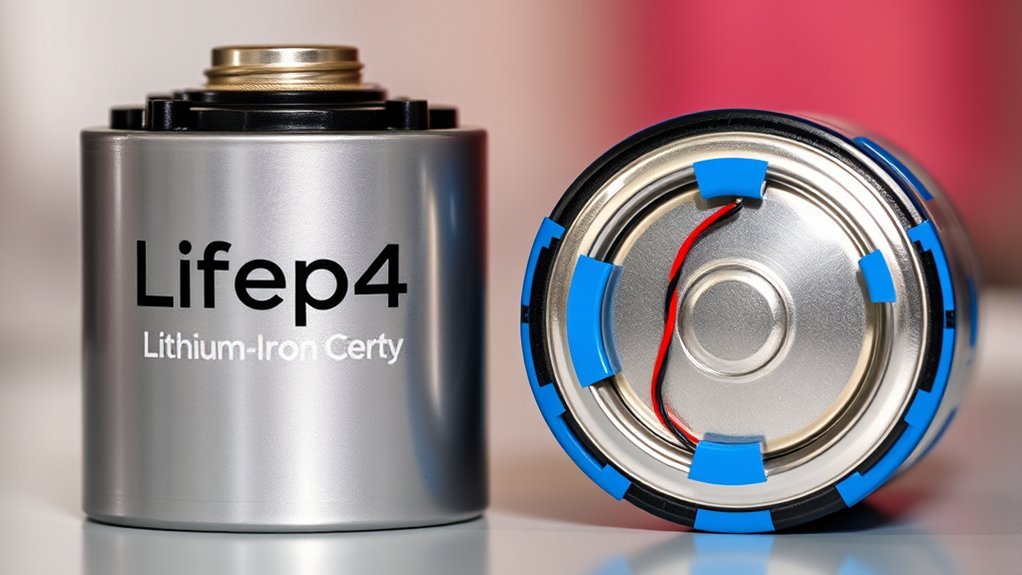
When evaluating safety for various applications, LiFePO4 batteries generally present a lower risk profile compared to traditional lithium-ion chemistries. Their stable chemical structure reduces the likelihood of thermal runaway, making them safer during mishandling or overcharging. Additionally, LiFePO4 batteries tolerate different battery charging methods more effectively without degradation or safety hazards. This stability extends to recycling and disposal processes, where they pose fewer environmental risks due to less toxic materials. In contrast, lithium-ion batteries with cobalt or nickel chemistries require careful handling during recycling to prevent hazardous exposure and fire risks. Overall, LiFePO4 batteries offer a safer solution, especially in applications where safety, environmental impact, and ease of disposal are critical considerations.
Comparing Lifespan and Durability of LiFePO4 and Lithium-Ion Batteries
The longevity and resilience of a battery are key factors influencing its suitability for long-term applications, and these characteristics vary considerably between LiFePO4 and traditional lithium-ion chemistries. LiFePO4 batteries generally offer longer cycle life due to stable cathode chemistry, which reduces capacity fade over time. In contrast, lithium-ion batteries tend to degrade faster, especially under high charge rates. Durability also depends on manufacturing processes that optimize electrode stability and thermal management. Additionally, battery recycling practices differ, impacting long-term sustainability. Key aspects include:
- Cycle life: LiFePO4 typically exceeds 2,000 cycles; lithium-ion varies.
- Thermal stability: Superior in LiFePO4.
- Resistance to capacity fade: Lower in LiFePO4 with proper manufacturing.
- Environmental resilience: Influences longevity and disposal considerations.
Cost Considerations: Which Battery Offers Better Value?
Is cost the decisive factor when choosing between LiFePO4 and lithium-ion batteries? While initial purchase price influences decision-making, evaluating overall value requires analyzing market availability and brand reputation. LiFePO4 batteries tend to have a higher upfront cost but often benefit from longer lifespan and improved safety, potentially reducing long-term replacement costs. Lithium-ion batteries generally have lower initial prices and broader market availability, making them accessible across many applications. However, variations in brand reputation can affect durability and performance consistency, influencing overall value. When considering cost, it’s essential to weigh purchase price against expected lifespan, safety features, and reliability associated with reputable brands. Ultimately, the better value hinges on specific application needs and the reputation of the manufacturer behind the battery.
Performance Differences in Real-World Use Cases
Performance in real-world applications often highlights the practical distinctions between LiFePO4 and lithium-ion batteries. LiFePO4 batteries typically excel in longevity and safety, maintaining stable performance over more charge cycles, which reduces replacement frequency. Their manufacturing processes often result in lower thermal runaway risk, advantageous in high-demand environments. Conversely, lithium-ion batteries generally offer higher energy density, providing more power in a smaller package, but they may degrade faster under heavy use. Battery recycling is more established for lithium-ion cells, though LiFePO4’s less toxic chemistry simplifies disposal. These differences influence application suitability: LiFePO4 for stationary storage and reliable, long-term use, and lithium-ion for portable devices requiring compact, high-capacity solutions.
Which Battery Type Is Better for Solar Energy Storage?
Choosing the most suitable battery type for solar energy storage depends on balancing factors like longevity, safety, and energy capacity. Lithium-ion batteries excel in high energy density and fast charging but pose challenges in battery recycling and manufacturing processes, which impact sustainability. Conversely, LiFePO4 batteries offer enhanced safety, longer cycle life, and environmentally friendly manufacturing, making them preferable for long-term solar applications. The table below highlights key differences:
| Feature | Lithium-Ion | LiFePO4 |
|---|---|---|
| Safety | Moderate | High |
| Longevity | 500-1,000 cycles | 2,000+ cycles |
| Recycling & Manufacturing | Complex, environmentally impactful | Eco-friendlier, easier recycling |
This analysis clarifies which battery type aligns better with sustainable, long-term solar storage.
How to Choose Between LiFePO4 and Lithium-Ion Batteries for Your Needs
When selecting between LiFePO4 and lithium-ion batteries, we must carefully evaluate factors like lifespan, cost, and safety. These parameters directly impact long-term performance, budget constraints, and environmental considerations. Analyzing these points allows us to determine the most suitable option for specific applications.
Battery Lifespan and Durability
Understanding the durability and lifespan of batteries is essential when selecting the appropriate type for your application, as these factors directly impact long-term reliability and total cost of ownership. Lithium Iron Phosphate (LiFePO4) batteries generally offer longer cycle life, often exceeding 2,000 charging cycles, compared to traditional lithium-ion batteries. This enhanced durability translates into lower maintenance and fewer replacements, reducing environmental impact through better battery recycling options. Key considerations include:
- Charging cycles: LiFePO4 batteries withstand more cycles before capacity degradation.
- Cycle depth: Deeper discharges affect lifespan differently across chemistries.
- Temperature resilience: LiFePO4 performs better in extreme conditions, extending durability.
- Degradation factors: Both chemistries degrade over time, but LiFePO4’s stable chemistry ensures more consistent performance.
These elements influence the overall lifespan and the sustainability of your energy storage system.
Cost and Budget Considerations
Although initial purchase price is a primary factor, evaluating the total cost of ownership for LiFePO4 versus lithium-ion batteries requires a thorough analysis of upfront expenses, lifespan, maintenance, and replacement costs. LiFePO4 batteries typically have a higher purchase cost but offer longer cycle life, reducing long-term replacement expenses. Manufacturing processes for LiFePO4 tend to be more environmentally sustainable, potentially lowering costs associated with regulatory compliance and battery recycling. Conversely, lithium-ion batteries often have lower initial prices but may incur higher costs over time due to shorter lifespan and increased cooling or maintenance needs. Battery recycling practices also influence overall costs; LiFePO4 batteries are generally easier to recycle safely, which can lead to savings and environmental benefits. These factors are essential when selecting the most budget-efficient option for specific applications.
Safety and Environmental Impact
Choosing between LiFePO4 and lithium-ion batteries requires careful consideration of safety and environmental impact, as these factors directly influence long-term reliability and ecological footprint. LiFePO4 batteries are thermally more stable, reducing the risk of thermal runaway, while lithium-ion batteries with cobalt or nickel pose higher safety concerns. Environmental impacts are influenced by manufacturing processes and battery recycling efficiency; LiFePO4 batteries generally involve less toxic materials and are easier to recycle. Lithium-ion batteries often contain hazardous elements that complicate disposal.
- Safer operation due to thermal stability in LiFePO4
- Reduced environmental hazards from manufacturing processes
- Easier battery recycling with LiFePO4
- Lower ecological footprint over lifecycle with LiFePO4
Frequently Asked Questions
How Do Charging Times Compare Between Lifepo4 and Lithium-Ion Batteries?
Charging times for Lifepo4 are generally longer than lithium-ion batteries, impacting overall efficiency. Considering battery lifespan and cost comparison, Lifepo4’s slower charge rate can lead to better longevity, but may reduce rapid recharge practicality in demanding applications.
Are There Environmental Disposal Concerns Specific to Each Battery Type?
We find that LiFePO4 batteries contain fewer toxic materials than lithium-ion types, making recycling safer and more environmentally friendly. Proper battery recycling is essential to prevent toxic material leakage, reducing environmental impact and ensuring sustainable disposal practices.
What Are the Weight Differences for Similar Capacity Batteries?
We find LiFePO4 batteries are generally heavier than lithium-ion counterparts for similar capacity, impacting portability; however, they excel in battery longevity and cost comparison, making them a strategic choice for durability-focused applications.
Can Lifepo4 Batteries Handle Higher Discharge Rates?
Lifepo4 batteries handle higher discharge rates better than lithium-ion, like a sturdy bridge supporting heavy traffic, thanks to manufacturing differences that enhance thermal stability, ultimately improving battery longevity and performance under demanding conditions.
How Do Temperature Ranges Affect Battery Performance?
Battery chemistry considerably influences temperature resilience; high temperatures accelerate degradation, reducing lifespan, while low temperatures impair performance. Both Lifepo4 and Lithium Ion batteries exhibit temperature-dependent performance variations, necessitating proper thermal management for ideal efficiency and longevity.
Conclusion
In evaluating LiFePO4 versus lithium-ion batteries, the choice hinges on safety, lifespan, and application specifics. While lithium-ion batteries boast higher energy density, LiFePO4’s superior thermal stability and longevity often translate to better long-term value, especially in demanding or safety-critical environments. Despite misconceptions that higher initial costs outweigh benefits, our analysis suggests that the durability and environmental advantages of LiFePO4 make it a compelling, sustainable option for many energy storage needs.