When comparing LiFePO4 and lead-acid batteries, we recognize fundamental differences in chemistry, lifespan, safety, and cost. While LiFePO4 batteries often outperform lead-acid in key performance metrics, the decision isn’t purely technical; factors like application needs and long-term investments also matter. Understanding these distinctions can influence sustainable choices, but the full implications depend on a detailed analysis of their respective advantages and limitations. Let’s explore what makes each option uniquely suited—or not—to specific energy storage requirements.
Key Takeaways
- LiFePO4 batteries have a longer cycle life and higher durability than lead-acid batteries.
- They produce less toxic waste and are easier to recycle, making them more environmentally friendly.
- LiFePO4 offers higher safety due to resistance to thermal runaway and reduced fire risk.
- Although initially more expensive, LiFePO4 has lower maintenance and replacement costs over time.
- They provide more stable voltage and better efficiency, improving overall system performance.
How Do Lifepo4 Batteries Differ From Lead-Acid Batteries?
Although both LiFePO4 (lithium iron phosphate) and lead-acid batteries serve as reliable energy storage solutions, they differ markedly in their chemical composition, performance characteristics, and operational efficiencies. LiFePO4 batteries utilize lithium-based chemistry, offering higher energy density and longer cycle life compared to lead-acid variants. This results in fewer replacements and reduced waste over time, positively impacting battery recycling processes. From an environmental impact perspective, LiFePO4 batteries generate less toxic waste, easing disposal concerns and minimizing ecological harm. Conversely, lead-acid batteries pose significant challenges in recycling due to their toxic lead content, which requires strict handling protocols. Therefore, LiFePO4 batteries not only provide technical advantages but also support more sustainable, environmentally friendly energy storage solutions.
Which Battery Lasts Longer and Why?
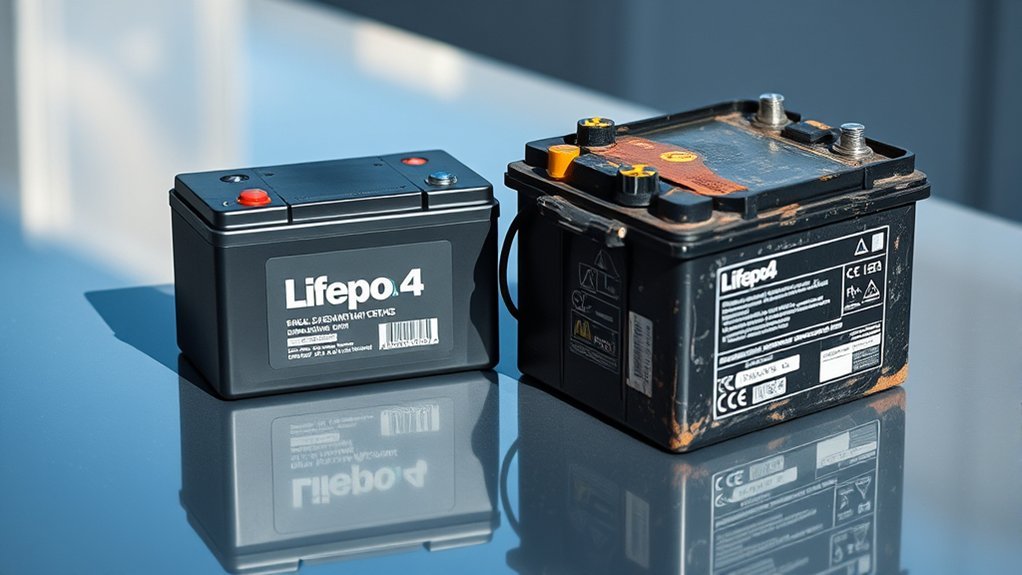
LiFePO4 batteries generally last longer than lead-acid batteries due to their superior cycle life and chemical stability. They typically endure 2000-5000 cycles, compared to 500-1000 for lead-acid. This longevity reduces the frequency of replacements, minimizing waste and enhancing sustainability. The table below highlights key differences:
| Feature | LiFePO4 | Lead-Acid |
|---|---|---|
| Cycle Life | 2000-5000 cycles | 500-1000 cycles |
| Chemical Stability | High | Moderate |
| Environmental Impact | Easier battery recycling | More hazardous waste |
Are LiFePO4 Batteries Safer for Use?
Given their chemical stability, LiFePO4 batteries are considered inherently safer than many other lithium-ion chemistries. Their stable cathode material resists thermal runaway, reducing fire and explosion risks. This safety profile minimizes hazards during operation and disposal. Additionally, their design simplifies battery recycling, decreasing environmental impact by facilitating safer material recovery.
- Reduced risk of thermal runaway and fires
- Greater resistance to overcharging and short circuits
- Lower toxicity of materials used
- Easier, safer battery recycling processes
- Minimized environmental impact through sustainable disposal
These factors make LiFePO4 batteries a safer choice for users and the environment, aligning with safety standards and sustainable practices. Their inherent stability not only enhances operational security but also supports environmentally responsible battery management.
How Do Performance and Efficiency Compare?
When comparing performance and efficiency, it becomes evident that LiFePO4 batteries generally offer lower energy density and voltage stability than lead-acid batteries, which can impact their suitability for certain applications. LiFePO4 cells typically have less energy stored per unit volume or weight, limiting their use where space and weight are constraints. Additionally, their voltage remains more stable during discharge, enhancing efficiency in consistent power delivery. Discharge rates are also a key factor; LiFePO4 batteries support higher discharge rates without significant capacity loss, making them suitable for high-demand applications. However, the lower energy density can result in longer recharge times and reduced runtime compared to lead-acid batteries. Overall, while LiFePO4 batteries excel in stability and cycle life, their performance metrics differ remarkably from traditional lead-acid systems.
What Are the Cost Differences Over Time?
Over the lifespan of a battery, cost considerations extend beyond the initial purchase price to include maintenance, replacement, and operational expenses. Lifepo4 batteries typically offer superior cost savings through longer cycle life and reduced maintenance costs, enhancing overall investment return. Although their upfront cost is higher, the durability and efficiency of Lifepo4 batteries translate into fewer replacements and lower operational costs over time. Lead acid batteries, while cheaper initially, incur higher expenses due to shorter lifespan and more frequent replacements. Additionally, Lifepo4 batteries maintain better charge efficiency, reducing energy losses and operational costs.
- Lower replacement frequency
- Reduced maintenance expenses
- Improved energy efficiency
- Higher initial investment, but better long-term value
- Enhanced overall cost savings
Which Battery Is Better for Different Applications?
Choosing the right battery depends heavily on the specific application’s demands and operational environment. Lifepo4 batteries excel in high-cycle applications like solar energy storage or electric vehicles, thanks to their longer lifespan and stable performance. Lead acid batteries, however, remain suitable for stationary uses such as backup power, where weight and cycle life are less critical. When considering environmental impact, Lifepo4 batteries have a clear advantage due to safer chemistry, reduced toxic waste, and easier battery recycling processes. Lead acid batteries, although widely recycled, pose greater risks of environmental contamination if not properly managed. Ultimately, selecting the most suitable battery involves balancing operational needs with environmental considerations, ensuring sustainability and efficiency for each application.
What Are the Maintenance Needs of Each Battery Type?
We need to take into account the regular inspection requirements and maintenance frequency for both battery types to guarantee ideal performance. Lifepo4 batteries generally demand less frequent, simpler checks compared to lead acid batteries, which require more consistent maintenance. Understanding these differences helps evaluate the ease of upkeep and long-term reliability of each option.
Regular Inspection Requirements
What are the specific maintenance procedures required to keep Lifepo4 and lead acid batteries operating at their best? Regular inspections guarantee peak performance and longevity. Lifepo4 batteries demand minimal monitoring, primarily checking for physical damage, verifying proper voltage levels, and preventing thermal issues. Lead acid batteries require more frequent inspection of electrolyte levels, terminal connections, and signs of corrosion. Both types benefit from monitoring for potential hazards that could impact environmental impact and facilitate battery recycling. Proper inspection reduces risks of failure, prolongs lifespan, and minimizes environmental harm. Neglecting maintenance can lead to reduced efficiency and increased disposal needs, affecting environmental impact. Consistent, technical inspections are critical, especially in high-demand applications, to maintain safety and sustainability standards.
- Checking for physical damage and deformation
- Monitoring voltage and charge levels
- Inspecting for corrosion and terminal cleanliness
- Verifying electrolyte levels (lead acid)
- Identifying signs of overheating or leakage
Maintenance Frequency and Ease
Lifepo4 batteries generally require less frequent maintenance compared to lead acid batteries, owing to their stable chemistry and sealed design. This reduces the need for regular fluid top-ups or equalization charges, simplifying upkeep. In contrast, lead acid batteries demand consistent inspection of electrolyte levels and terminal cleanliness to prevent sulfation and capacity loss. From an environmental standpoint, Lifepo4 batteries have an advantage, as they are easier to recycle safely, minimizing ecological impact. Proper maintenance practices also influence battery lifespan and recycling processes; neglecting maintenance can lead to early disposal and increased environmental impact. Overall, Lifepo4’s lower maintenance demands contribute to a more sustainable lifecycle, while their design facilitates safer, more efficient battery recycling, reducing the ecological footprint compared to traditional lead acid systems.
Can You Upgrade From Lead-Acid to Lifepo4 Batteries?
Upgrading from lead-acid to LiFePO4 batteries is possible, but it requires careful consideration of compatibility factors. The key issues involve voltage compatibility, physical dimensions, and system capacity. Additionally, evaluating the existing battery management system (BMS) is essential, as LiFePO4 batteries typically need different BMS configurations. From an environmental perspective, LiFePO4 batteries offer advantages in battery recycling and reduced environmental impact, making them a sustainable choice. However, the upgrade process must guarantee proper integration to prevent system malfunctions. Proper planning minimizes potential risks, like overcurrent or system incompatibilities, and maximizes the benefits of improved lifespan and safety. Overall, a technical assessment ensures a seamless changeover, aligning with environmental goals and optimizing system performance.
Frequently Asked Questions
How Do Lifepo4 Batteries Handle Extreme Temperatures?
Lifepo4 batteries exhibit excellent temperature resilience and heat tolerance, maintaining performance in extreme temperatures. They handle high heat better than lead-acid batteries, ensuring reliable operation in challenging environments, which makes them suitable for demanding applications.
Are Lifepo4 Batteries Environmentally Friendly Compared to Lead-Acid?
Like a revitalizing change, LiFePO4 batteries are more environmentally friendly than lead-acid, thanks to lower toxic materials, lighter weight, and improved recyclability; despite higher initial costs, they offer better long-term sustainability and energy efficiency.
What Is the Typical Lifespan of Each Battery Type?
We find Lifepo4 batteries typically last 8-10 years with minimal maintenance, outperforming lead-acid batteries, which last about 3-5 years; despite higher initial costs, Lifepo4’s longer lifespan offers better cost efficiency.
Can Lifepo4 Batteries Be Recycled Easily?
Lifepo4 batteries can be recycled more easily due to their stable chemistry, supporting sustainable practices. While initial cost comparison shows higher upfront expenses, their longer lifespan and efficient battery installation make them a more economical choice overall.
How Do Charging Times Differ Between the Two?
Charging times for Lifepo4 batteries are typically 4-6 hours, about 30% faster than lead acid, enhancing power efficiency. This difference considerably impacts operational efficiency, especially in high-demand applications, highlighting Lifepo4’s superior charging speed.
Conclusion
In conclusion, LiFePO4 batteries outshine lead-acid counterparts with their longevity, safety, and sustainability. Their superior stability and lower maintenance requirements paint a promising picture for those seeking efficient energy solutions. While initial costs are higher, the long-term savings and environmental benefits are compelling. Ultimately, choosing LiFePO4 batteries means embracing a smarter, safer, and more sustainable energy storage system—setting the stage for a brighter, cleaner future with confidence and clarity.