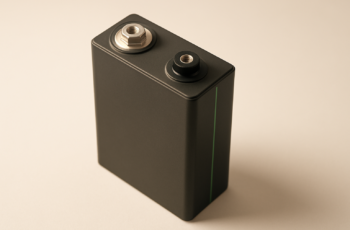
We compare LiFePO4 and lead acid batteries based on chemistry, performance, cost, and safety. Both have distinct advantages and limitations that influence their suitability for specific applications. Understanding these differences is essential for making an informed decision that aligns with long-term goals and operational requirements. As we analyze their attributes, it becomes clear that choosing the right battery involves more than just initial price—there’s much more to take into account.
Key Takeaways
- LiFePO4 batteries have a longer lifespan (2,000-5,000 cycles) compared to lead acid (500-1,000 cycles).
- LiFePO4 offers better thermal stability, safety, and requires less maintenance.
- Lead acid batteries are initially cheaper but have higher long-term replacement and disposal costs.
- LiFePO4 is lighter and more environmentally friendly with superior recycling options.
- Lead acid is suitable for short-term, high-current use, while LiFePO4 excels in long-term, deep cycling applications.
How Do LiFePO4 and Lead Acid Batteries Differ in Chemistry and Performance?
Although both LiFePO4 and lead acid batteries serve as reliable energy storage solutions, they differ markedly in their chemistry and performance characteristics. LiFePO4 batteries utilize lithium iron phosphate, which offers a stable, non-toxic chemistry with enhanced thermal stability and longer cycle life. In contrast, lead acid batteries rely on lead plates submerged in sulfuric acid, making them heavier and prone to sulfation over time. When considering battery recycling, LiFePO4 batteries present a lower environmental impact due to fewer toxic materials and easier recycling processes. Lead acid batteries, however, require careful handling due to hazardous lead and acid content, posing environmental risks if improperly disposed of. These chemical differences directly influence performance, lifespan, and the environmental footprint of each battery type.
Which Battery Type Is Better for Your Specific Use Case?
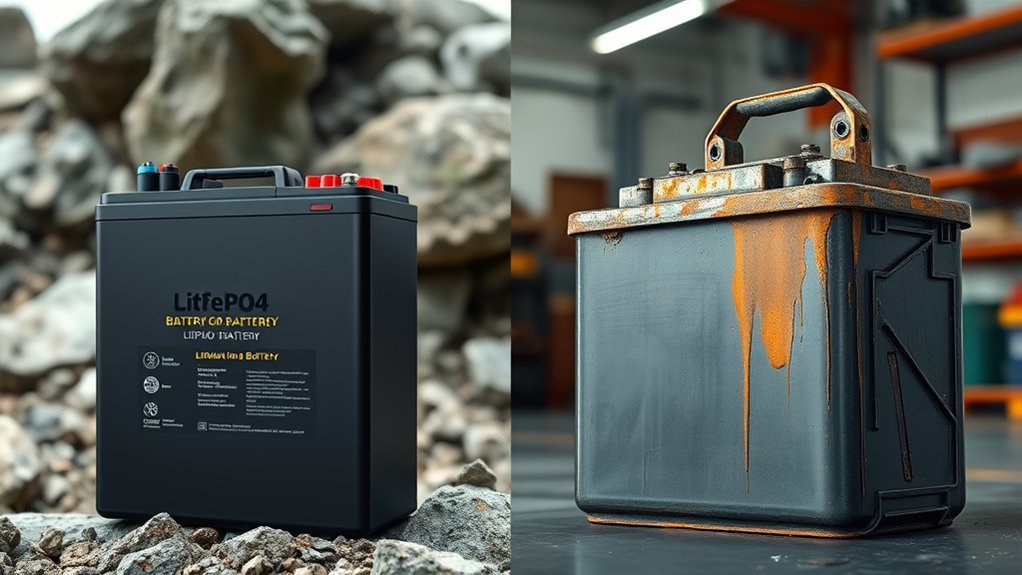
Selecting the right battery depends heavily on the specific application and operational requirements. For instance, if longevity and deep cycling are priorities, Lifepo4 batteries excel due to their durability and safety profile. Conversely, lead acid batteries may suit short-term, high-current needs but require more maintenance. When choosing, consider:
Choosing the right battery depends on your application’s longevity, cycling needs, and maintenance requirements.
- Environmental impact: Lifepo4 batteries generally have a lower environmental footprint due to safer chemistry and easier battery recycling processes.
- Battery recycling: Lifepo4 batteries are more sustainable, with recyclable materials that reduce waste and pollution.
- Operational demands: For stationary energy storage, Lifepo4’s longevity and stability outweigh lead acid’s lower upfront cost. Selection hinges on balancing environmental considerations with performance needs.
How Do LiFePO4 and Lead Acid Batteries Compare in Cost and Lifespan?
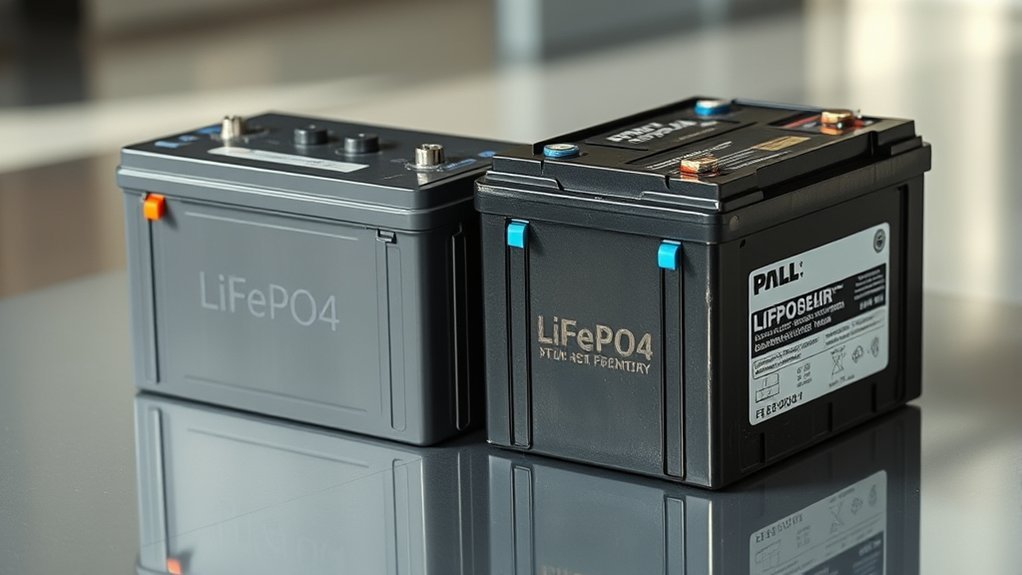
When comparing LiFePO4 and lead acid batteries, cost and lifespan are critical factors influencing their application. LiFePO4 batteries typically have a higher upfront cost but offer longer cycle life—around 2,000-5,000 cycles—compared to lead acid’s 500-1,000 cycles. This results in a lower total cost of ownership over time. Additionally, LiFePO4 batteries are more environmentally friendly, with better battery recycling options and reduced environmental impact. The table below illustrates these differences:
| Aspect | LiFePO4 | Lead Acid |
|---|---|---|
| Initial Cost | Higher | Lower |
| Lifespan | Longer | Shorter |
| Environmental Impact | Lower (easier recycling) | Higher (hazardous waste) |
What Are the Safety and Maintenance Considerations for Each Battery?
Safety and maintenance considerations are vital factors when evaluating LiFePO4 and lead acid batteries, as they directly impact operational reliability and personnel safety. Proper handling reduces risks like thermal runaway in lead acid cells and ensures longevity in LiFePO4 units. Key points include:
- Regular inspection for corrosion, leaks, or damage, especially in lead acid batteries.
- Adherence to disposal regulations and responsible battery recycling to minimize environmental impact.
- Ensuring proper venting and ventilation during charging to prevent gas buildup and potential hazards.
LiFePO4 batteries require less maintenance and pose fewer safety risks, but both types demand strict compliance with disposal regulations. Proper maintenance extends lifespan and supports safe, environmentally responsible recycling practices.
Which Battery Is More Suitable for Your Budget and Long-Term Needs?
While initial purchase price often influences decision-making, understanding the long-term financial implications of each battery type is essential. Lifepo4 batteries typically have a higher upfront cost but offer lower total ownership costs due to longer cycle life and reduced maintenance. Lead acid batteries are more affordable initially but require frequent replacements, increasing lifetime expenses. Considering environmental impact, Lifepo4 batteries are more sustainable with easier battery recycling and less hazardous waste. Lead acid’s shorter lifespan and heavier weight contribute to higher disposal and recycling costs, raising environmental concerns. When evaluating long-term needs, it’s vital to factor in durability, maintenance, and environmental impact, which often favor Lifepo4. Ultimately, investing in Lifepo4 can be more cost-effective and eco-friendly over time, aligning with long-term financial and environmental priorities.
Frequently Asked Questions
How Do Charging Times Differ Between Lifepo4 and Lead Acid Batteries?
Charging speed in Lifepo4 batteries is faster due to higher power efficiency and optimized charging protocols, whereas lead acid batteries take longer, making Lifepo4 more suitable for rapid recharge cycles and efficient energy management.
Are Lifepo4 Batteries Environmentally Friendly Compared to Lead Acid Batteries?
We find LiFePO4 batteries more environmentally friendly, offering longer battery lifespan and less hazardous disposal. Although initial cost comparison favors lead acid, the eco benefits and durability of LiFePO4 make it a sustainable choice.
Can Lifepo4 Batteries Be Used in Cold Weather Conditions?
Like a sturdy fortress, LiFePO4 batteries withstand cold weather better than lead acid, maintaining longer lifespan and superior cold weather performance. We find their resilience essential for reliable, efficient energy storage in low temperatures, ensuring consistent power delivery.
What Is the Weight Difference Between Lifepo4 and Lead Acid Batteries?
We find Lifepo4 batteries are considerably lighter—up to 70% less weight—compared to lead acid, enhancing portability. Their longer battery lifespan and better cost comparison make them a more efficient, technically advantageous choice for many applications.
Do Both Battery Types Have Similar Recycling Processes?
We find that both battery types undergo similar recycling processes, emphasizing their manufacturing impact and battery lifespan. Recycling efficiency varies slightly, but overall, both are environmentally manageable, with Lifepo4 batteries offering longer lifespan benefits that reduce waste.
Conclusion
Ultimately, choosing between LiFePO4 and lead acid batteries hinges on balancing initial investment against long-term value. While lead acid batteries offer affordability upfront, their shorter lifespan and higher maintenance costs contrast sharply with LiFePO4’s durability and safety. This juxtaposition underscores a strategic decision: prioritize immediate savings or long-term reliability. For those seeking sustainable, high-performance energy storage, the analytical choice favors LiFePO4, despite its higher initial cost, aligning with future-proofing and operational efficiency.