While LiFePO4 batteries are often praised for safety, some might assume they sacrifice performance; however, a detailed comparison reveals nuanced trade-offs that are critical for informed decisions. Understanding how these chemistry differences impact longevity, cost, and suitability for specific applications can substantially influence your choices. As we explore these distinctions, you’ll gain clarity on which technology aligns best with your needs—and why the debate extends beyond safety alone.
Key Takeaways
- LiFePO4 batteries have lower fire risk and better thermal stability than lithium-ion batteries.
- Lithium-ion batteries typically offer higher energy density, making them suitable for compact applications.
- LiFePO4 batteries generally have a longer cycle life, lasting 2,000–5,000 cycles compared to 500–1,500 cycles for lithium-ion.
- LiFePO4 is more environmentally friendly, easier to recycle, and composed of non-toxic materials.
- While LiFePO4 has higher initial costs, its durability and safety benefits often lead to lower long-term expenses.
What Are LiFePO4 and Lithium-Ion Batteries? A Basic Comparison
Although both LiFePO4 and lithium-ion batteries are popular energy storage options, they differ considerably in chemistry and performance characteristics. LiFePO4 batteries utilize lithium iron phosphate cathodes, offering enhanced thermal stability and longer cycle life, whereas lithium-ion batteries often employ cobalt-based cathodes, which can pose environmental concerns. From a battery recycling perspective, LiFePO4’s more stable chemistry simplifies the recycling process and reduces toxic waste, thereby lowering environmental impact. In contrast, lithium-ion batteries may require more complex recycling methods due to hazardous materials involved. These differences influence not only performance but also the sustainability of energy storage systems. Understanding these chemistry-based distinctions helps evaluate their environmental impacts and informs responsible choices in battery technology applications.
How Do LiFePO4 and Lithium-Ion Batteries Differ in Chemistry and Design?
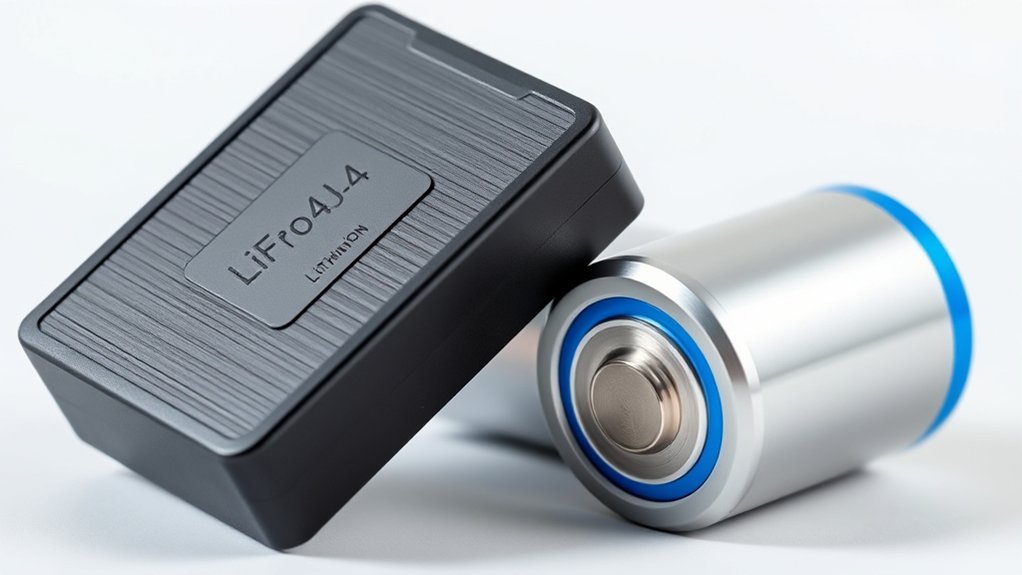
The core differences between LiFePO4 and lithium-ion batteries lie in their chemical compositions and internal structural designs. LiFePO4 batteries feature a cathode made of lithium iron phosphate, which provides a stable chemical structure, while typical lithium-ion batteries use cobalt or nickel-based cathodes. This fundamental difference influences their manufacturing processes, as LiFePO4 cells require specific synthesis techniques to produce the phosphate-based cathode, often involving high-temperature solid-state reactions. Conversely, lithium-ion batteries involve complex coating and layering methods for their layered oxide cathodes. These variations in chemical structure directly impact their energy density, thermal stability, and longevity. Understanding these distinctions helps clarify how chemistry and manufacturing processes shape each battery type’s performance characteristics.
Which Battery Type Offers Better Safety and Thermal Stability?
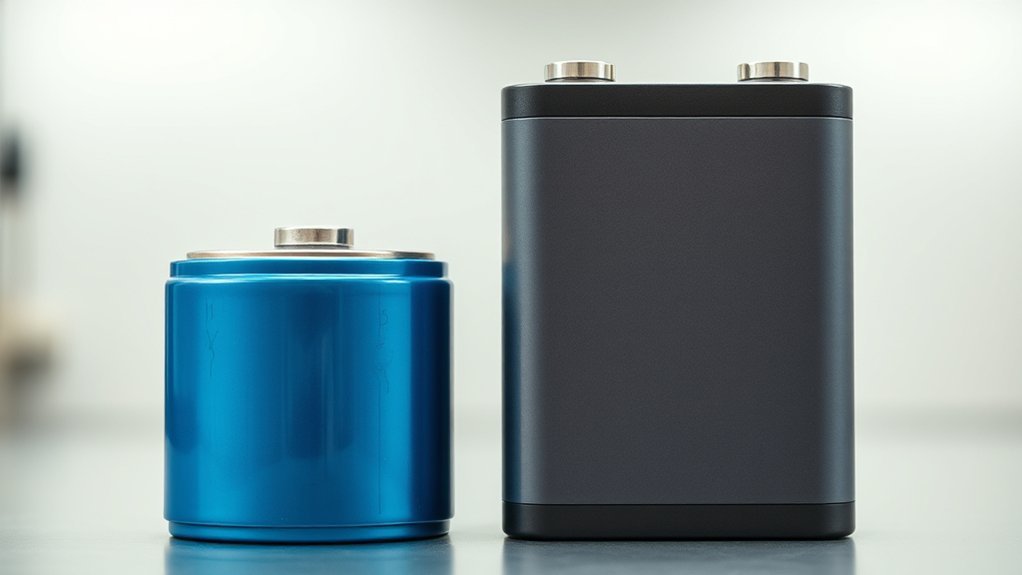
When comparing safety and thermal stability, we focus on the risk of thermal runaway and fire resistance. LiFePO₄ batteries are known for their inherent thermal stability and lower propensity for fires, even under abuse conditions. In contrast, other lithium-ion chemistries may pose higher safety concerns due to increased thermal runaway risks.
Thermal Runaway Risks
Thermal runaway remains a critical safety concern in lithium-ion batteries, as uncontrolled heat generation can lead to fires or explosions. Lifepo4 batteries inherently exhibit greater thermal stability, markedly reducing this risk. Their stable chemistry prevents the rapid temperature escalation seen in traditional lithium-ion cells, making them safer during abuse or damage. This enhanced safety profile also impacts battery recycling efforts, as Lifepo4’s stability minimizes the release of hazardous materials during disposal. Consequently, they have a lower environmental impact compared to conventional lithium-ion batteries, which are more prone to thermal runaway and associated safety hazards. Understanding these differences underscores Lifepo4’s advantage in safety and environmental considerations, although ongoing research continues to optimize recycling processes for both types.
Fire Resistance Capabilities
Building on the safety advantages of Lifepo4 batteries, their fire resistance capabilities stand out as a key factor in overall thermal stability. Lifepo4 chemistry inherently offers superior fire safety due to its stable electrochemical structure, which markedly reduces the risk of thermal runaway. Unlike traditional lithium-ion batteries with cobalt or nickel cathodes, Lifepo4’s thermal stability resists ignition even under abusive conditions. This resilience enhances fire safety, minimizing the likelihood of catastrophic failure during overheating or physical damage. Consequently, Lifepo4 batteries maintain structural integrity longer, reducing fire hazards. While lithium-ion batteries can pose increased fire risks due to higher energy density and less stable chemistries, Lifepo4’s inherent fire resistance makes it a safer choice for applications demanding strict thermal stability and enhanced fire safety measures.
Comparing Lifespan, Durability, and Maintenance Needs of Both Batteries
We compare the expected lifespan, noting that Lifepo4 batteries generally endure more charge cycles than traditional lithium-ion types. Maintenance requirements differ, with Lifepo4 batteries demanding less frequent checks due to their stable chemistry. Evaluating durability involves analyzing how each battery withstands operational stresses over time, informing long-term reliability assessments.
Lifespan Expectations and Differences
Although both lithium iron phosphate (LiFePO4) and traditional lithium-ion batteries offer reliable energy storage, their lifespan, durability, and maintenance requirements differ considerably. LiFePO4 batteries typically outperform lithium-ion in cycle life, often exceeding 2,000 to 5,000 cycles, compared to 500–1,500 cycles for lithium-ion variants. This extended lifespan reduces replacement frequency, positively impacting environmental impact and recycling considerations by decreasing waste. Additionally, LiFePO4’s chemical stability enhances durability under thermal stress, minimizing degradation over time. The more stable chemistry also simplifies recycling processes, reducing hazardous waste concerns. Conversely, lithium-ion batteries require more frequent replacement due to faster capacity fade, increasing environmental footprint. As a result, LiFePO4’s longevity and environmental advantages position it as a more sustainable energy storage solution over time.
Maintenance Requirements and Durability
While both LiFePO4 and traditional lithium-ion batteries require maintenance to guarantee ideal performance, their durability and upkeep needs differ considerably. LiFePO4 batteries tend to have more forgiving charging protocols, reducing risks associated with overcharging or deep discharges, which enhances longevity. Their chemical stability results in lower thermal stress and less degradation over time. In contrast, lithium-ion batteries demand stricter adherence to charging protocols to prevent capacity loss. Regarding recycling procedures, LiFePO4 batteries are considered more environmentally friendly due to less toxic materials, simplifying recycling processes. Regular maintenance for lithium-ion batteries involves monitoring voltage and temperature to avoid damage. Overall, LiFePO4 batteries offer reduced maintenance requirements and superior durability, making them a more sustainable choice long-term.
How Do Cost and Performance Impact Your Choice Between LiFePO4 and Lithium-Ion?
When evaluating battery options, the interplay between cost and performance markedly influences the decision to choose between LiFePO4 and traditional lithium-ion batteries. A thorough cost analysis reveals that LiFePO4 tends to have higher upfront costs but offers greater long-term savings due to its extended cycle life and stability. Performance metrics such as energy density, charge cycles, and thermal stability are critical in this assessment. Lithium-ion batteries typically provide higher energy density, making them suitable for space-constrained applications, but may degrade faster under demanding conditions. Conversely, LiFePO4’s superior thermal stability and longer lifespan can justify a higher initial investment for users prioritizing longevity and safety. Ultimately, balancing these factors depends on specific operational requirements and long-term performance expectations.
Which Battery Is Better Suited for Your Specific Application?
Choosing the right battery for your application depends on specific operational demands and performance priorities. To determine suitability, consider these factors:
- Operational Environment: For high-temperature or outdoor use, LiFePO4 offers better thermal stability and safety, reducing risks during battery recycling and minimizing environmental impact.
- Cycle Life and Maintenance: Applications requiring frequent cycling benefit from LiFePO4’s longer lifespan, decreasing waste and supporting sustainable practices.
- Environmental Impact: LiFePO4 batteries are more environmentally friendly due to non-toxic materials and easier recycling processes, making them preferable for eco-conscious projects. Ultimately, evaluating these criteria helps match the battery type to your needs, balancing performance with sustainability and environmental responsibility.
Frequently Asked Questions
Are Lifepo4 Batteries Environmentally Friendly?
We believe LiFePO4 batteries are more environmentally friendly due to eco-friendly manufacturing processes and favorable battery lifecycle analysis, which show reduced environmental impact, longer lifespan, and safer disposal, making them a sustainable choice compared to traditional lithium-ion batteries.
How Do Charging Times Compare Between the Two Battery Types?
Charging times differ: Lifepo4 batteries generally offer faster charging speeds and maintain power efficiency better over time, while lithium-ion batteries may take longer to reach full charge but provide higher energy density, impacting overall performance and recharge cycle.
What Are the Best Applications for Lifepo4 Batteries?
We believe Lifepo4 batteries excel in demanding applications like electric vehicles and energy storage due to their unparalleled battery lifespan and cost efficiency. Their robustness and longevity make them the ultimate choice for high-performance, long-term solutions.
Can Lifepo4 Batteries Be Used in High-Temperature Environments?
Lifepo4 batteries exhibit good temperature resilience, but high temperatures can impair their lifespan. Effective heat management is essential to prevent overheating, ensuring safe operation and maintaining performance in high-temperature environments.
How Do Recycling and Disposal Processes Differ for Each Battery?
In recycling, Lifepo4 batteries use environmentally friendly methods like hydrometallurgical processes, whereas lithium-ion batteries often require complex smelting. Disposal procedures differ, as Lifepo4 batteries pose fewer environmental hazards, simplifying safe disposal compared to lithium-ion counterparts.
Conclusion
In conclusion, choosing between LiFePO4 and lithium-ion batteries depends on your specific needs. While lithium-ion offers higher energy density, LiFePO4 excels in safety, longevity, and environmental friendliness. As the saying goes, “better safe than sorry,” and for demanding, long-term applications, LiFePO4 provides a more reliable choice. By weighing your priorities—performance versus safety and lifespan—you can make an informed decision aligned with your operational goals.