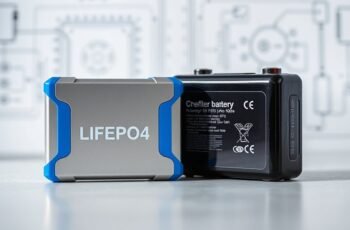
Exploring the nuanced differences between LiFePO4 and lithium-ion batteries reveals critical factors that influence their performance, safety, and sustainability. While each type offers distinct advantages, selecting the ideal solution depends on a careful analysis of chemistry, lifespan, and environmental considerations. As we examine these aspects, it becomes clear that understanding their trade-offs is essential to making an informed decision—one that could markedly impact your application’s efficiency and safety.
Key Takeaways
- LiFePO4 batteries have higher safety and thermal stability compared to lithium-ion batteries.
- They offer a longer cycle life, often exceeding 2000 cycles, versus 500-1000 for typical lithium-ion batteries.
- LiFePO4 uses less toxic materials, making it more environmentally friendly and easier to recycle.
- Lithium-ion batteries generally have higher energy density, making them better for portable electronics.
- LiFePO4 is ideal for stationary storage and electric vehicles requiring safety, durability, and long-term performance.
How Do LiFePO4 and Lithium-Ion Batteries Differ in Chemistry?
While both LiFePO4 and traditional lithium-ion batteries rely on lithium-ion chemistry, their fundamental differences lie in their cathode materials, which profoundly influence their electrochemical behavior. LiFePO4 uses a lithium iron phosphate cathode, offering enhanced chemical stability during charge and discharge cycles. This stability reduces thermal risks and improves battery longevity, impacting manufacturing processes by requiring specific electrode formulations and controlled environments. In contrast, conventional lithium-ion batteries often employ layered transition metal oxides, which can be more reactive and less stable chemically. The choice of cathode material directly affects the battery’s chemical stability, influencing safety, lifespan, and performance. Consequently, understanding these chemical distinctions is essential for optimizing battery manufacturing and ensuring reliable operation across various applications.
Which Battery Type Offers Better Safety Features?
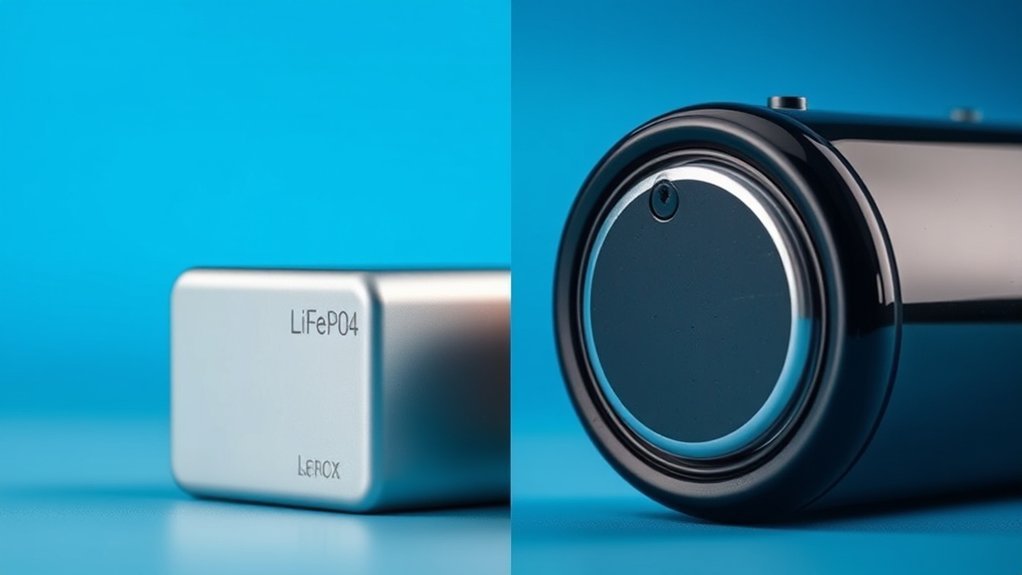
When comparing safety features, LiFePO4 batteries generally outperform traditional lithium-ion batteries due to their inherent chemical stability. This stability reduces the risk of thermal runaway, fires, or explosions, making them inherently safer. Battery manufacturing processes for LiFePO4 emphasize strict adherence to safety standards, ensuring consistent quality and minimized defect risks. Lithium-ion batteries, on the other hand, often incorporate additional safety mechanisms like thermal fuses and venting systems to mitigate hazards. However, their chemistries are more prone to instability under stress. Overall, LiFePO4’s chemical resilience, combined with rigorous safety standards during manufacturing, provides a more reliable safety profile, making them the preferred choice in applications demanding higher safety margins.
Comparing Performance: Power Output and Longevity of LiFePO4 vs Lithium-Ion
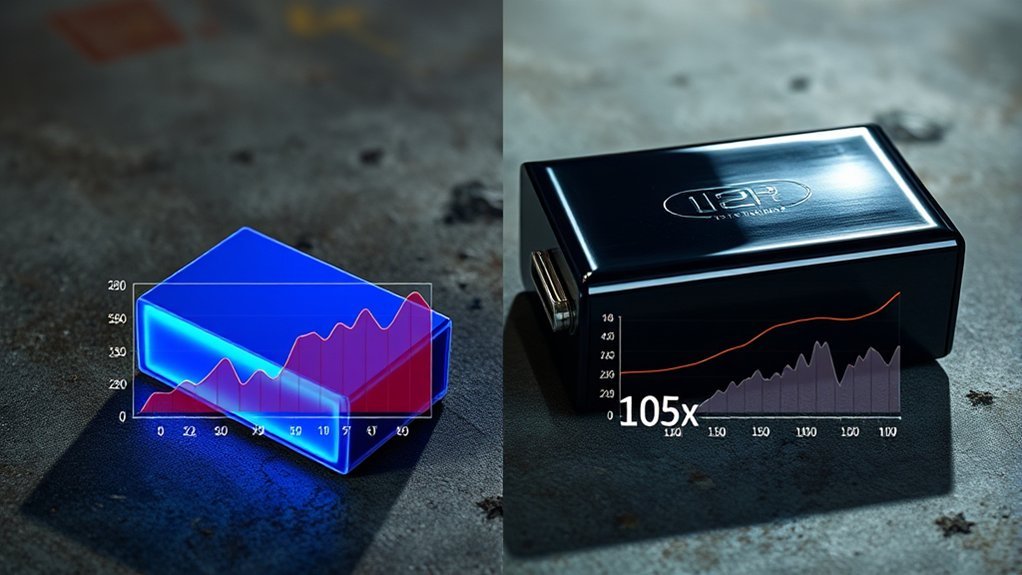
LiFePO4 batteries generally deliver more consistent power output over their lifespan compared to traditional lithium-ion batteries, primarily due to their stable chemistries. This stability minimizes voltage fluctuations, supporting reliable performance in demanding applications. From a manufacturing perspective, LiFePO4 cells benefit from simpler, safer battery manufacturing processes that reduce degradation pathways, extending longevity. Market trends indicate increasing adoption of LiFePO4 for stationary storage and electric vehicles, driven by their durability and safety profile. In contrast, lithium-ion batteries typically offer higher initial power density but tend to experience capacity fade over time, impacting long-term performance. Overall, LiFePO4’s superior longevity and stable power output position it as a more dependable choice for applications requiring consistent, sustained energy delivery.
Cost Analysis: Which Battery Provides Better Value Over Time?
When evaluating cost-effectiveness, we need to take into account initial purchase prices, as LiFePO4 batteries typically cost more upfront than lithium-ion options. However, their longer lifespan and lower maintenance requirements can offset initial expenses over time. Analyzing replacement cycles and ongoing maintenance helps determine which battery offers superior value across its operational life.
Initial Purchase Costs
Are initial purchase costs the decisive factor in choosing between LiFePO4 and lithium-ion batteries? Not entirely. Manufacturing costs for LiFePO4 cells are typically higher due to complex synthesis processes, which elevate upfront prices. However, these costs are partially offset by lower costs associated with battery recycling, since LiFePO4 chemistry is more environmentally friendly and easier to recycle than some lithium-ion variants. Lithium-ion batteries often have lower initial prices, driven by mature manufacturing techniques; yet, their shorter lifespan and higher degradation rates can lead to increased long-term expenses. When evaluating initial purchase costs, it’s vital to consider these factors alongside the potential for future recycling and disposal costs, as they substantially influence the true economic value of each battery type.
Longevity and Durability
While initial purchase costs provide an immediate financial snapshot, evaluating long-term value requires examining each battery’s longevity and durability. LiFePO4 batteries generally demonstrate longer cycle lives—often exceeding 2,000 cycles—due to their stable chemistry, which results in reduced degradation over time. In contrast, traditional lithium-ion batteries tend to have shorter cycle counts, typically around 500-1,000 cycles, before capacity diminishes substantially. Battery manufacturing advancements and market trends favor LiFePO4, emphasizing increased durability and safety, which lower replacement costs over time. These factors contribute to a better cost-to-benefit ratio for LiFePO4 batteries in long-term applications. Therefore, when evaluating value, durability tied to robust manufacturing processes and evolving market standards becomes a critical determinant.
Maintenance and Replacement
Considering maintenance and replacement costs provides a clearer picture of long-term value, especially when comparing LiFePO4 and traditional lithium-ion batteries. LiFePO4 batteries typically require less frequent maintenance due to their stable chemistry and longer cycle life, reducing overall replacement costs. Their manufacturing processes often involve safer, more sustainable methods, which can lower environmental impact and facilitate battery recycling at end-of-life. Conversely, lithium-ion batteries may incur higher costs over time, driven by more complex manufacturing and shorter lifespan, resulting in more frequent replacements. Battery recycling efforts further influence value, as LiFePO4’s more stable composition simplifies recycling and reduces environmental disposal expenses. Overall, LiFePO4 batteries tend to offer better long-term economic and environmental value through lower maintenance, more durable chemistry, and streamlined recycling processes.
Which Battery Is More Suitable for Solar Energy Systems?
When evaluating batteries for solar energy systems, the choice hinges on specific performance characteristics and application requirements. LiFePO4 batteries excel with higher thermal stability and longer cycle life, making them ideal for long-term solar storage. Lithium-ion batteries, however, benefit from widespread market adoption and advanced manufacturing techniques, offering higher energy density. Market trends indicate increasing adoption of LiFePO4 due to safety and durability, whereas lithium-ion remains popular for compact setups. The decision depends on factors like cost, space, and safety considerations.
| Feature | LiFePO4 | Lithium-Ion |
|---|---|---|
| Safety | High | Moderate |
| Energy Density | Moderate | High |
| Cycle Life | Longer | Shorter |
| Market Trends | Growing adoption | Mature, widespread |
| Manufacturing | Focused on safety, durability | Cost-effective, scalable |
How Do Charging and Discharging Cycles Influence Battery Lifespan?
The number of charging and discharging cycles a battery undergoes directly impacts its overall lifespan, as each cycle contributes to the gradual degradation of its internal components. This degradation affects capacity retention and performance, influenced by factors like battery manufacturing quality and usage patterns. Market trends show increasing cycle counts for lithium-ion chemistry, including LiFePO₄, driven by improved electrode materials and manufacturing techniques. Specifically, we observe:
- Higher cycle tolerances due to advances in electrode design.
- Enhanced thermal management reducing cycle-induced stress.
- Longer cycle life expectations aligning with evolving industry standards.
Understanding these factors helps us assess how repeated charge/discharge cycles diminish battery longevity, emphasizing the importance of optimized charging protocols and manufacturing innovations to extend usable life.
Environmental Impact and Recycling: LiFePO4 vs Lithium-Ion
Have we fully evaluated the environmental implications of LiFePO₄ compared to traditional lithium-ion batteries? Both chemistries present distinct challenges and benefits in terms of recycling processes and environmental regulations. LiFePO₄ batteries contain less toxic materials, simplifying recycling and reducing environmental hazards. Their stable chemistry facilitates safer and more efficient recycling processes, aligned with stringent environmental regulations. Conversely, lithium-ion batteries often contain cobalt and nickel, which pose environmental and ethical concerns, requiring more complex recycling methods. While regulations increasingly mandate responsible disposal, the relative ease of recycling LiFePO₄ offers a notable advantage. Ultimately, appraising the environmental impact involves analyzing not only raw material toxicity but also the viability and regulation compliance of recycling processes, favoring LiFePO₄’s more sustainable profile.
Practical Considerations for Selection: Size, Weight, and Compatibility
When selecting a battery, size compatibility with device compartments is vital to guarantee proper fit and ideal performance. Weight differences greatly influence device handling and mobility, especially in portable applications. Additionally, integration considerations, such as connector types and voltage requirements, directly impact compatibility and overall system reliability.
Size Compatibility Requirements
How critical is size compatibility when selecting a battery for a specific application? It’s essential, as improper sizing can compromise device performance or safety. During battery manufacturing, precise dimensions ensure proper fit and maintain chemical stability under operational conditions. Consider these key factors:
- Dimensional Tolerances: Slight variances can hinder installation or cause mechanical stress.
- Form Factor Compatibility: Compatibility with existing enclosures demands strict adherence to size specifications.
- Thermal Management Space: Adequate room is needed for effective heat dissipation, preserving chemical stability.
Both LiFePO4 and lithium-ion batteries require careful sizing to uphold performance and safety standards. Failing to meet size compatibility can lead to mechanical failure, reduced lifespan, or safety hazards. Ultimately, understanding these requirements ensures optimal integration and longevity of the battery within the device’s design parameters.
Weight Impact on Usage
Weight considerably influences the practical deployment of batteries within devices, affecting overall portability, handling, and system integration. In battery manufacturing, lightweight designs are increasingly prioritized to meet evolving market trends demanding high energy density with minimal mass. Lithium-ion batteries generally weigh less than LiFePO4 counterparts for equivalent capacities, making them more suitable for portable applications. Conversely, LiFePO4 batteries tend to be heavier but offer enhanced safety and longevity. This weight difference impacts not only device ergonomics but also system design constraints, such as mounting and cooling requirements. As market trends favor compact, lightweight solutions, manufacturers focus on optimizing weight without compromising performance. Consequently, understanding the weight implications of each chemistry is critical for selecting the most suitable battery for specific applications.
Integration With Devices
Integrating batteries into devices requires careful consideration of size, weight, and compatibility to guarantee peak performance and user experience. Battery chemistry influences form factor, affecting fit and energy density. For example, LiFePO4’s safety features, including thermal stability, allow for more rugged designs without compromising safety. Conversely, lithium-ion batteries often demand additional safety measures due to higher reactivity. When selecting batteries, consider:
- Compatibility with device voltage and current requirements to optimize performance.
- Size and weight constraints that affect portability and ergonomics.
- Safety features inherent to the chemistry, such as thermal management or venting mechanisms, ensuring safe operation in varied environments.
These factors collectively impact integration, emphasizing the importance of aligning battery chemistry with device specifications for reliable, safe, and efficient operation.
Common Applications of LiFePO4 and Lithium-Ion Batteries
Have you ever wondered which applications best suit LiFePO4 and lithium-ion batteries? In battery manufacturing, LiFePO4 is favored for stationary storage systems and electric buses due to its thermal stability and long cycle life, aligning with market trends toward safer, sustainable solutions. Lithium-ion batteries, with higher energy density, dominate portable electronics, smartphones, and laptops, where compactness and weight are critical. Market trends also show increasing adoption of lithium-ion in electric vehicles, driven by their superior energy-to-weight ratio. Conversely, LiFePO4’s emphasis on safety and longevity makes it ideal for grid storage and renewable energy integration. Understanding these applications helps clarify how each chemistry aligns with specific industry demands, reflecting evolving market priorities and technological advancements.
Which Battery Should You Choose for Your Specific Energy Needs?
Choosing the right battery depends primarily on your specific energy requirements and operational priorities. To determine the best fit, consider these factors:
- Energy Density and Longevity: Lithium-ion batteries offer higher energy density, suitable for portable and high-demand applications, while LiFePO4 provides longer cycle life and stability.
- Safety and Thermal Management: LiFePO4 batteries excel in thermal stability, reducing fire risk, especially important where safety is critical.
- Manufacturing and Sustainability: Manufacturing processes influence cost and environmental impact; LiFePO4’s eco-friendly materials simplify battery recycling, supporting sustainable practices.
Assessing these aspects ensures suitable choice aligned with your needs, considering lifecycle impacts and recycling feasibility for long-term sustainability.
Frequently Asked Questions
How Do Temperature Extremes Affect Lifepo4 and Lithium-Ion Battery Performance?
Temperature extremes challenge both batteries’ performance; LiFePO4 offers better temperature resilience, but thermal management is still vital to prevent capacity loss and degradation, especially under high or low temperature conditions. Proper thermal control optimizes longevity.
Are There Any Differences in Charging Times Between the Two Battery Types?
Charging speeds are similar for both batteries, but LiFePO4 batteries often exhibit better capacity retention over multiple cycles, maintaining consistent charging efficiency, whereas lithium-ion batteries may experience slight declines in charging speed as capacity diminishes over time.
What Are the Warranty Differences for Lifepo4 Versus Lithium-Ion Batteries?
Imagine a case where a LiFePO4 battery’s warranty covers 10 years, including thermal management issues, while lithium-ion warranties typically span 2-5 years with limited coverage. Manufacturer policies substantially influence warranty coverage differences.
Can Lifepo4 Batteries Be Used in High-Vibration Environments?
We find LiFePO4 batteries suitable for high-vibration environments due to their robust construction, enhancing battery safety and durability. Their environmentally friendly composition also reduces ecological impact, making them a reliable, safe choice in demanding conditions.
How Do Storage Requirements Differ for Long-Term Battery Preservation?
Long-term storage requires maintaining ideal conditions; our batteries thrive with stable temperatures and partial charge, ensuring storage stability and chemical stability, which prevents degradation. Proper storage effectively prolongs battery lifespan and performance over extended periods.
Conclusion
In the end, choosing between LiFePO4 and lithium-ion batteries is like picking between a cautious librarian and a thrill-seeking stunt driver—each has its place. If safety and longevity are your priorities, LiFePO4 is the steady hand. For maximum energy density and portability, lithium-ion takes the wheel. Ultimately, your decision hinges on balancing performance with sustainability, ensuring your energy storage aligns with your values—and avoiding the fiery chaos of mismatched choices.