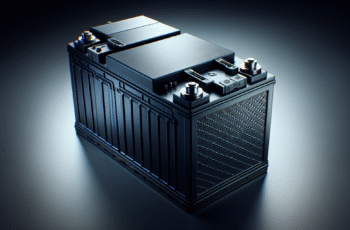
We’ll assess the LiTime 24V 100Ah LiFePO4 battery by examining its 25.6V, 2.56kWh capacity, 100A BMS, IP65 protection, and low-temperature cutoff. We’ll also consider its 4,000-plus-cycle rating, five-year warranty, 45.6-pound weight, and estimated 12.8-hour runtime at 200W. These figures suggest a capable option for RV, marine, and off-grid systems, but charger compatibility, installation space, and the lack of Bluetooth monitoring may shape whether it fits your setup.
Key Takeaways
- The LiTime battery delivers 25.6V and 100Ah, providing 2,560Wh of nominal energy.
- Its 100A BMS, IP65 rating, low-temperature cutoff, and EV-grade LiFePO4 cells support off-grid and marine use.
- It is rated for 4,000+ cycles at 100% depth of discharge and includes a five-year warranty.
- Expansion supports up to four batteries in parallel and two in series, reaching 48V, 400Ah, and 20.48kWh.
- Check its 21-inch length, 45.6–45.85-pound weight, 100A limit, and charger compatibility before buying.
25.6V, 2.56kWh Capacity
At 25.6V and 100Ah, this LiTime battery stores 2,560Wh (2.56kWh) of nominal energy. For Energy storage planning, we can estimate runtime by dividing usable watt-hours by a device’s average power draw.
A 200W load, for example, would use the nominal capacity in about 12.8 hours; a 500W load would use it in roughly 5.1 hours. Actual runtime will vary with conversion losses, operating conditions, and the load profile, so treat these figures as estimates rather than guarantees.
We should also account for reserve capacity when sizing a system, especially when consistent power availability matters for marine, RV, or off-grid applications.
Detailed features
For a closer look at the LiTime battery’s construction and safeguards, we can start with its 100A BMS, which protects against overcharging, over-discharging, overheating, and short circuits. Low-temperature cutoff adds temperature protection, so we should follow the supplied operating instructions and use a recommended lithium charger.
Its physical construction uses LiFePO4 chemistry and EV-grade cells, with M8 × 16mm terminals and an IP65 waterproof rating. The case measures 21 × 8.2 × 8.5 inches and weighs about 45.6–45.85 pounds, so we should confirm compartment clearance.
The manufacturer rates it for 4,000-plus cycles at 100% depth of discharge and provides a five-year warranty.
Pros and Cons
We’ll weigh the battery’s 2,560Wh capacity, 4,000-plus-cycle rating, and built-in 100A BMS against its size, weight, and use limitations.
We’ll also assess its 5-year warranty and 4P2S expansion support. This comparison will show where it fits—and where it may not—in your system.
Pros
The LiTime 24V 100Ah battery’s main strengths are its 2.56kWh capacity, scalable system design, and built-in protections. We can configure up to four batteries in parallel and two in series, supporting systems up to 48V, 400Ah, and 20.48kWh.
| Advantage | Specification |
|---|---|
| Energy storage | 25.6V, 100Ah; 2.56kWh |
| Expansion | Up to 4P2S; 20.48kWh |
| Protection and lifespan | 100A BMS; 4,000+ cycles |
The BMS guards against overcharge, over-discharge, overheating, and short circuits. Low temperature protection adds a safeguard in cold conditions. With a rated long cycle life of 4,000+ cycles at full discharge, we can expect durable service. IP65 protection suits marine and off-grid applications.
Cons
Despite its strong capacity and protection features, the LiTime has limitations to weigh before purchase. At 21 × 8.2 × 8.5 inches and about 46 pounds, it may not fit compact installations; we should verify compartment clearance and lifting access before buying.
Its 100A BMS and 25.6V output also impose system constraints, so we’ll need to confirm inverter, charger, and motor requirements rather than assume universal compatibility. The manufacturer excludes golf carts and engines, creating limited compatibility for some buyers.
This isn’t a Bluetooth model, either, so we can’t monitor battery data wirelessly. One battery is included, requiring additional units for expansion.
Concluding thoughts
For marine, RV, and off-grid systems that need 24V storage, LiTime’s 25.6V, 100Ah battery offers 2.56kWh of capacity, a 100A BMS, and a stated lifespan of 4,000+ cycles at 100% depth of discharge.
Its IP65 rating, low-temperature cutoff, and five-year warranty add practical safeguards, though you’ll need to verify the 21-inch length fits your compartment and use a compatible lithium charger. Ideal applications include trolling motors, travel trailers, and solar storage—not golf carts or engine starting.
For Long term value, we’d weigh the cycle rating, 3% monthly self-discharge, and 10+ year stated service life against your load, expansion plans, and upfront cost.
Frequently Asked Questions
Is This Battery Compatible With a 24V Trolling Motor?
Yes, we can use this 25.6V, 100Ah LiFePO4 battery with a 24V trolling motor if its voltage and current requirements match the battery’s 100A BMS. Trolling Motor Runtime depends on Motor Power Draw and usable capacity.
Can It Be Installed in Any Orientation?
Can we confirm unrestricted placement? The specifications don’t state permitted Mounting orientation, so we shouldn’t assume Installation flexibility or install it in any position. We’d follow the manual and contact LiTime before mounting sideways or upside down.
What Charger Specifications Are Recommended for This Battery?
We recommend a lithium-specific charger. Recommended Charger Voltage: match the manufacturer’s 24V LiFePO4 charging profile; the provided specifications don’t state an exact voltage. Charging Current Limits: keep current within the battery’s 100A BMS rating.
Can Multiple Batteries Be Connected in Series or Parallel?
Yes, we can connect multiple batteries. Series connection limits allow two batteries in series; parallel expansion supports up to four parallel strings, enabling configurations up to 48V, 400Ah, and 20.48kWh. Follow manufacturer wiring instructions carefully.
What Should I Do if Low-Temperature Protection Shuts off the Battery?
Move the battery to warmth; would you picture ice melting around its cells? We should let it warm naturally, then check recovery before reconnecting loads. Prevent repeat shutdowns by keeping it within manufacturer-approved operating temperatures.
Conclusion
We see the LiTime 24V 100Ah battery as a practical choice for RV, marine, and off-grid systems that need dependable storage. Its 2.56kWh capacity, 100A BMS, IP65 protection, and low-temperature cutoff support demanding use, while the five-year warranty adds reassurance. At a steady 200W load, its estimated 12.8-hour runtime could keep essential equipment running through a long night. We’d still verify charger and inverter compatibility and plan for its 45.6-pound weight and 21-inch length.