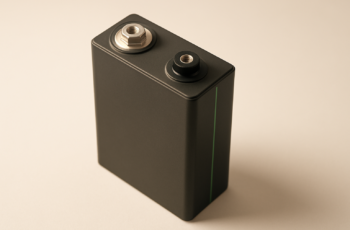
As we consider replacing lead-acid batteries with LiFePO4 technology, it’s vital to evaluate the technical benefits and integration challenges involved. While LiFePO4 offers notable advantages like longer lifespan and improved safety, understanding system compatibility, charging modifications, and BMS requirements is essential for a seamless shift. Exploring these factors can reveal whether this switch aligns with operational goals and long-term cost efficiency, prompting a closer look at what makes LiFePO4 a compelling alternative.
Key Takeaways
- Assess your system’s voltage, capacity, and compatibility requirements before replacing lead-acid batteries with LiFePO4.
- Update charging protocols and ensure the BMS supports LiFePO4 chemistry for proper system operation.
- Verify existing wiring, connectors, and infrastructure can handle the higher energy density and different electrical characteristics.
- Leverage longer lifespan and lower maintenance benefits to reduce total cost of ownership over time.
- Follow proper recycling procedures for end-of-life LiFePO4 batteries to ensure environmental safety.
Why Switch From Lead-Acid to Lifepo4 Batteries?
Switching from lead-acid to LiFePO4 batteries offers significant advantages in performance and safety. The core reason lies in battery chemistry; LiFePO4 provides higher energy density, longer cycle life, and improved thermal stability, reducing risk of thermal runaway. These attributes translate into more reliable power systems with less maintenance. Additionally, LiFePO4 batteries are environmentally friendlier, featuring recycling procedures that are safer and less complex compared to lead-acid. The non-toxic, stable chemistry simplifies disposal and promotes sustainability. The recyclability of LiFePO4 involves fewer hazardous materials, making it a more responsible choice. Overall, shifting to LiFePO4 enhances operational efficiency while aligning with eco-conscious practices, positioning it as a superior alternative to traditional lead-acid systems.
How to Evaluate if Lifepo4 Replaces Your Lead-Acid System
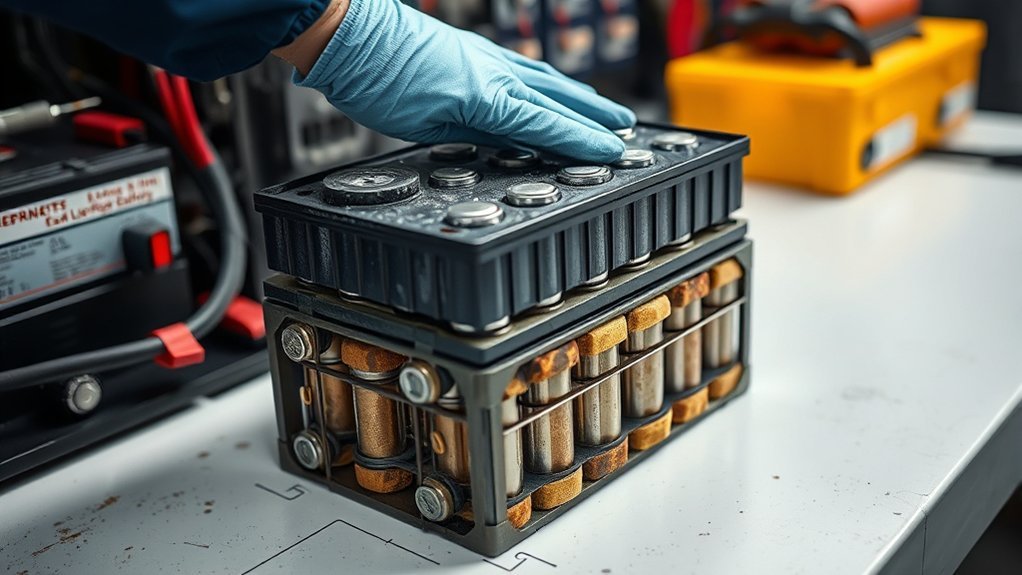
To determine if LiFePO4 batteries are a suitable replacement for your lead-acid system, we need to conduct a thorough assessment of your current power requirements, usage patterns, and system compatibility. This involves analyzing your load demands, cycle life, and charging protocols to guarantee the battery’s capacity aligns with operational needs. Additionally, evaluating the environmental impact is critical—LiFePO4 batteries offer advantages such as reduced harmful emissions and safer disposal options. Battery recycling becomes a key factor, as LiFePO4’s longer lifespan minimizes waste and supports sustainability goals. Compatibility checks with existing electrical infrastructure and charging systems are essential to prevent system inefficiencies. This in-depth evaluation helps determine if switching to LiFePO4 batteries optimizes performance while aligning with eco-friendly practices.
Steps for a Smooth Transition to Lifepo4 Batteries
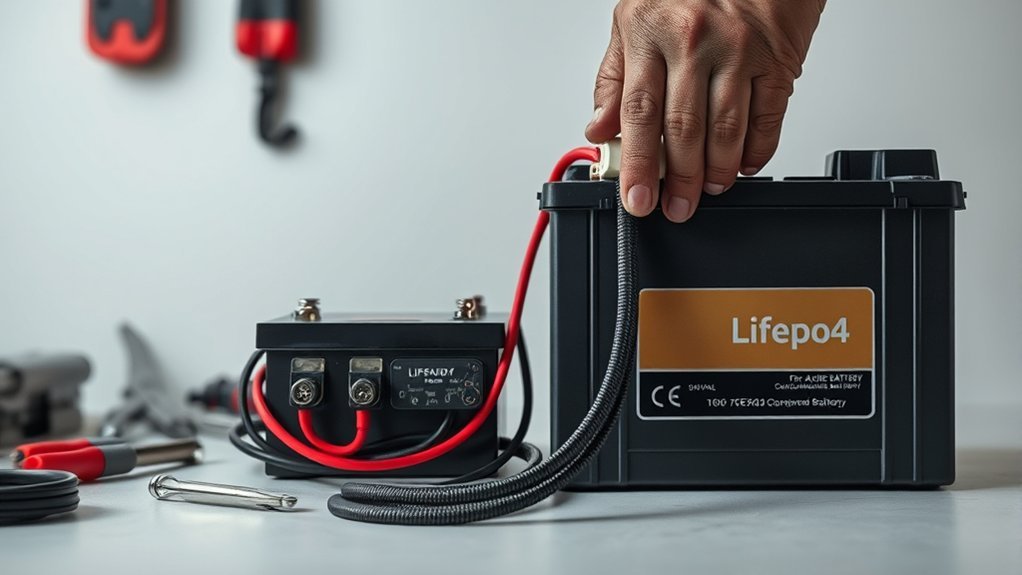
Beginning a shift to LiFePO4 batteries requires careful planning to guarantee compatibility and performance optimization. We recommend evaluating your existing system’s voltage and current demands, updating charging protocols to match LiFePO4 specifications, and making certain of proper integration with your current infrastructure. Moving forward also involves establishing appropriate battery recycling procedures for end-of-life units, minimizing environmental impact. To avoid issues, confirm that your BMS (Battery Management System) supports LiFePO4 chemistry. Additionally, verify cable ratings and connections, and document the transition process for future troubleshooting. Properly adjusting charging protocols enhances longevity and safety, while a clear recycling plan ensures responsible disposal. These steps create a seamless progression that maximizes performance, safety, and sustainability throughout the switch to LiFePO4 technology.
What Performance Improvements and Savings Can You Expect?
Adopting LiFePO4 batteries can lead to significant performance enhancements and cost savings over traditional lead-acid systems. Their extended battery lifespan—often 8-10 years compared to 3-5 years for lead-acid—reduces replacement frequency and maintenance costs, yielding long-term financial benefits. From a performance perspective, LiFePO4 batteries provide higher energy density, faster charge and discharge rates, and improved thermal stability, which enhance system efficiency and reliability. A thorough cost analysis reveals that, despite higher initial investment, the overall lifecycle costs decrease due to lower replacement, maintenance, and operational expenses. These improvements make LiFePO4 batteries an attractive option for systems demanding longevity and consistent performance, ultimately delivering superior value and operational savings over lead-acid alternatives.
Common Challenges and Troubleshooting Tips for Lifepo4 Replacement
While LiFePO4 batteries offer numerous advantages, their replacement process can present specific challenges that require careful troubleshooting. One common issue relates to compatibility issues, which can affect overall performance and safety. Confirming the replacement battery matches the system’s voltage, capacity, and connector type is critical to avoid damaging the battery or reducing battery lifespan. Additionally, improper installation may lead to operational failures or reduced efficiency. Other challenges include voltage imbalances, which can cause uneven cell degradation, and thermal management problems, impacting long-term durability. To mitigate these, consider the following troubleshooting tips:
- Verify system compatibility before installation
- Use compatible BMS (Battery Management System) settings
- Conduct voltage and capacity tests post-installation
- Monitor temperature and ensure proper cooling
- Regularly inspect for signs of imbalance or wear
Frequently Asked Questions
How Long Do Lifepo4 Batteries Typically Last Compared to Lead-Acid?
Lifepo4 batteries typically last 8-10 years, outperforming lead-acid’s 3-5 years, and we find their lower lifecycle costs and easier battery recycling make them a superior, more economical choice in the long term.
Are Lifepo4 Batteries Environmentally Friendly?
Imagine a LiFePO4 battery powering an electric vehicle; it’s environmentally friendly because it has lower manufacturing emissions and fewer recycling challenges than lead-acid batteries, making it a smarter, more sustainable choice for eco-conscious applications.
Can Lifepo4 Batteries Be Used in Extreme Temperatures?
We find that LiFePO4 batteries exhibit good temperature resilience with proper thermal management, enabling safe operation in a range of extreme temperatures; however, advanced thermal control systems are essential to optimize performance and longevity.
What Safety Precautions Are Needed When Handling Lifepo4 Batteries?
We handle LiFePO4 batteries carefully, always wearing protective gear, avoiding punctures, and monitoring for thermal anomalies. Proper battery disposal procedures are essential, and maintaining fire safety measures prevents risks during handling or potential thermal runaway incidents.
How Do Lifepo4 Batteries Impact Overall System Weight?
Some might worry about weight increase, but Lifepo4 batteries markedly reduce system weight compared to lead acid, enhancing overall system efficiency through weight reduction, which improves portability and performance without compromising energy capacity or longevity.
Conclusion
Just as upgrading from a tricycle to a motorcycle accelerates our journey with greater power and efficiency, switching to LiFePO4 batteries propels our systems into a new domain of reliability and performance. This shift, though complex, offers a strategic leap forward—fueling sustainability and cost-effectiveness. Embracing this change, we enhance our energy landscape with precision, ensuring our power solutions are not just maintained but optimized for the future’s demands.