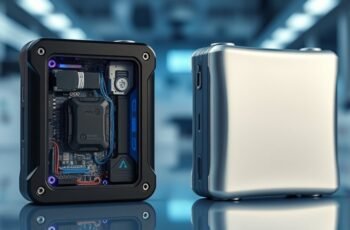
We compare Lifepo4 and Sealed Lead Acid batteries to understand their differences, assess their benefits, and evaluate their limitations. We analyze safety, lifespan, cost, and environmental impact to determine which option suits specific applications. This examination reveals which battery type offers the most advantageous value and sustainability over time, yet the decision remains nuanced. To make an informed choice, it’s crucial to take into account the technical aspects and long-term implications that influence performance and overall costs.
Key Takeaways
- Lifepo4 batteries offer higher energy density, longer lifespan, and better cycle durability compared to SLA batteries.
- Lifepo4 provides faster charging, more stable voltage, and higher peak power output than SLA.
- SLA batteries are cheaper initially but have lower total lifespan and higher environmental and safety risks.
- Lifepo4 is more environmentally friendly, easier to recycle, and produces fewer hazardous materials.
- For long-term cost-effectiveness and sustainability, Lifepo4 is generally the better choice despite higher upfront costs.
What Are the Main Differences Between Lifepo4 and Sealed Lead Acid Batteries?
Although both LiFePO4 (lithium iron phosphate) and sealed lead acid (SLA) batteries serve similar functions in energy storage, their fundamental differences greatly impact performance, lifespan, and application suitability. The core distinction lies in their battery chemistry: LiFePO4 utilizes lithium-ion technology, offering higher energy density and stability, while SLA relies on lead plates immersed in sulfuric acid. These differences influence charging methods markedly; LiFePO4 batteries typically require specialized chargers with precise voltage regulation to optimize lifespan, whereas SLA batteries are more tolerant but demand careful current control to prevent damage. Additionally, LiFePO4 batteries generally support faster charging cycles with less capacity fade, making them more adaptable for high-demand applications compared to the more maintenance-intensive SLA batteries.
How Do Lifepo4 and Sealed Lead Acid Batteries Compare in Terms of Lifespan?
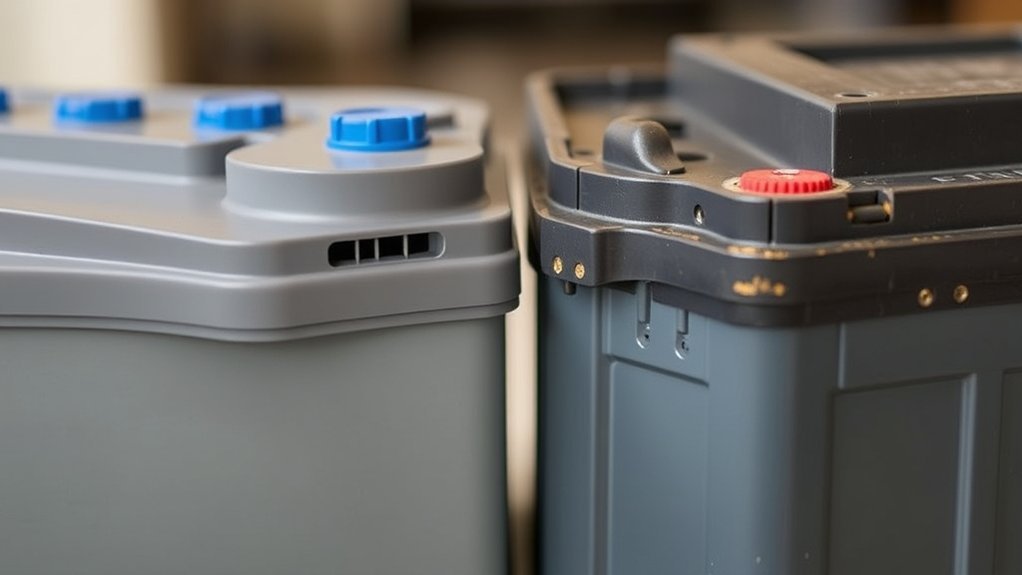
When comparing Lifepo4 and sealed lead acid batteries, cycle life and degradation rates are critical factors that influence longevity. Lifepo4 batteries typically sustain more charge-discharge cycles with minimal capacity loss, whereas lead acid batteries tend to degrade faster over time. Maintenance and usage patterns also markedly affect their effective lifespan, with Lifepo4 batteries generally requiring less frequent upkeep for ideal performance.
Battery Cycle Life
Lifepo4 batteries generally outperform sealed lead acid (SLA) batteries regarding cycle life, making them a more durable choice for long-term applications. Lifepo4 cells typically sustain 2,000 to 3,000 cycles at 80% depth of discharge, compared to 500 to 1,000 cycles for SLA batteries. This extended cycle life results from their stable chemistry and lower degradation rates over repeated charge-discharge cycles. Proper charging protocols are essential to maximize lifespan; Lifepo4 batteries tolerate higher charging rates and benefit from optimized battery recycling methods, which help mitigate capacity fade and ensure sustainability. In contrast, SLA batteries are more sensitive to overcharging and sulfation, leading to quicker capacity loss. As a result, Lifepo4’s superior cycle life hinges on adherence to precise charging and recycling practices.
Degradation Rate Over Time
Over time, the degradation rate of batteries considerably influences their overall lifespan and reliability. Lifepo4 batteries typically exhibit slower capacity loss due to stable chemistry and robust electrode materials, whereas sealed lead acid (SLA) batteries degrade more rapidly, especially under improper charging protocols. Factors like high temperatures and frequent deep discharges accelerate degradation, impacting long-term performance. Proper charging protocols, including controlled voltage limits, are essential to mitigate degradation. Additionally, effective battery recycling extends lifespan by reducing the need for early replacements. Here’s a comparison:
| Aspect | Lifepo4 | Sealed Lead Acid | Implication |
|---|---|---|---|
| Degradation Rate | Slow, stable capacity loss | Faster, capacity diminishes over time | Longer lifespan for Lifepo4 |
| Sensitivity to Temperature | Moderate | High | Affects degradation speed |
| Impact of Charging Protocols | Less sensitive | Highly sensitive | Proper protocols prolong lifespan |
| Recycling Efficiency | High | Moderate | Supports sustainable lifecycle procedures |
| Expected Lifespan | 8-10 years | 3-5 years | Lifepo4 offers extended durability |
Maintenance and Usage Factors
Proper maintenance and usage practices considerably influence the lifespan of both Lifepo4 and sealed lead acid (SLA) batteries, though their ideal care protocols differ markedly. Lifepo4 batteries benefit from strict adherence to optimized charging protocols, avoiding overcharging and deep discharges to extend cycle life. SLA batteries require regular monitoring of electrolyte levels and controlled charging to prevent sulfation and capacity loss. Additionally, both chemistries should be prioritized for battery recycling at end-of-life to mitigate environmental impact. Lifepo4’s lower self-discharge rate and tolerance for partial cycles generally yield a longer lifespan when properly maintained. Conversely, SLA batteries are more susceptible to degradation from improper handling. Ultimately, disciplined maintenance—focused on correct charging, avoiding extreme states of charge, and environmentally responsible battery recycling—directly determines their operational longevity.
Which Battery Type Is Safer for Your Application: Lifepo4 or Sealed Lead Acid?
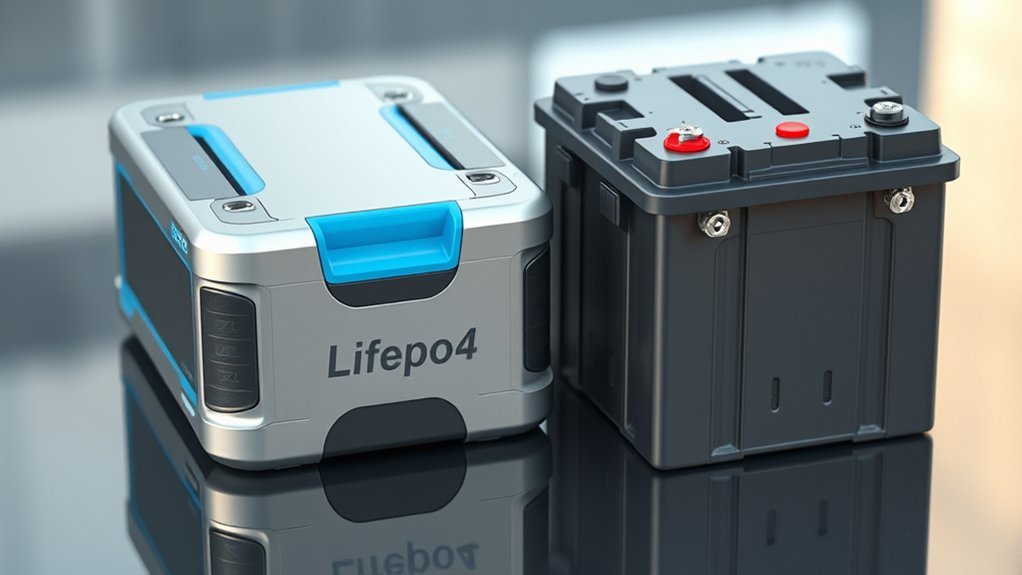
When evaluating battery safety for various applications, understanding the inherent risks associated with each type is crucial. Lifepo4 batteries generally present lower thermal runaway risk, reducing fire hazards and making them safer during charging safety procedures. Sealed Lead Acid (SLA) batteries can pose more safety concerns due to acid leaks and higher heat generation under overcharge conditions. Additionally, Lifepo4’s stable chemistry simplifies battery recycling and disposal, lowering environmental risks. To clarify these differences:
| Feature | Lifepo4 | Sealed Lead Acid |
|---|---|---|
| Thermal stability | High, less risk of fire | Lower, risk of thermal runaway |
| Charging safety | Safer, minimal acid spill risk | Higher risk, acid spills |
| Recycling | Easier, less hazardous waste | More complex, hazardous waste |
This analysis highlights Lifepo4’s safety advantages, especially regarding battery recycling and charging safety.
What Are the Cost Implications of Choosing Lifepo4 vs Sealed Lead Acid?
When evaluating cost implications, we consider the higher initial purchase price of Lifepo4 batteries against the lower upfront costs of sealed lead acid units. We also analyze long-term maintenance expenses and how these influence the overall total cost of ownership. Understanding these financial factors helps in making an informed decision aligned with operational and budgetary priorities.
Initial Purchase Price Differences
The initial purchase price of Lifepo4 batteries is generally higher than that of sealed lead acid (SLA) batteries, reflecting differences in manufacturing complexity, materials, and technological advancements. Lifepo4 cells involve sophisticated chemistry and precision manufacturing processes, which contribute to their elevated upfront cost. Although the higher initial investment may seem significant, factors like faster charging speed can offset costs over time, as Lifepo4 batteries support quicker recharge cycles, reducing downtime. Additionally, Lifepo4’s superior design facilitates easier battery recycling, potentially lowering disposal costs and environmental impact. In contrast, SLA batteries tend to have lower initial prices but require more frequent replacements and have slower charging speeds, which can increase maintenance costs. These initial price differences directly influence the total cost of ownership and strategic decision-making.
Long-Term Maintenance Costs
Choosing between Lifepo4 and sealed lead acid (SLA) batteries considerably impacts long-term maintenance costs, as their durability and operational efficiencies differ markedly. Lifepo4 batteries generally require less frequent maintenance and have a longer lifespan, reducing replacement and associated costs. Conversely, SLA batteries tend to need more regular checks, electrolyte management, and earlier replacement, increasing operational expenses over time. Additionally, the manufacturing impact influences costs; Lifepo4’s more environmentally friendly production and easier battery recycling reduce disposal costs and environmental liabilities. SLA batteries involve more hazardous materials, raising disposal and recycling expenses. Over the long term, Lifepo4’s durability and lower environmental footprint translate into lower total maintenance costs, making them a more cost-effective choice despite higher initial investment.
Total Cost of Ownership
Evaluating the total cost of ownership (TCO) for Lifepo4 versus sealed lead acid (SLA) batteries requires a thorough analysis of initial investment, operational expenses, and end-of-life costs. Lifepo4 batteries typically have higher upfront costs but offer longer cycle life, reducing replacement frequency. Operational costs depend on charging protocols and efficiency; Lifepo4 batteries are more efficient, decreasing energy consumption. End-of-life expenses include battery recycling, which is more streamlined for Lifepo4 due to safer chemistry. The following table summarizes key cost factors:
| Cost Aspect | Lifepo4 | SLA |
|---|---|---|
| Initial Investment | Higher | Lower |
| Replacement Frequency | Lower | Higher |
| Recycling & Disposal | Easier, safer | More hazardous, costly |
| Charging Protocols | Less strict, longer lifespan | More maintenance-intensive |
How Do Performance and Power Output Differ Between Lifepo4 and Sealed Lead Acid Batteries?
While both LiFePO4 (lithium iron phosphate) and sealed lead acid (SLA) batteries serve similar functions, their performance and power output characteristics differ markedly due to their distinct chemistries and design architectures. LiFePO4 batteries deliver higher energy density and maintain consistent voltage under load, enabling superior performance in demanding applications. They also feature faster charge/discharge cycles, which enhances overall power output. In contrast, SLA batteries typically exhibit lower peak power and voltage stability, especially under high loads. Regarding battery safety, LiFePO4’s stable chemistry reduces thermal runaway risks, impacting environmental impact positively. Key differences include:
- Higher energy density in LiFePO4
- More consistent voltage output
- Faster charge/discharge rates
- Safer chemistry with less thermal risk
- Lower environmental impact over lifespan
Which Battery Is Better Suited for Solar Storage Systems?
When evaluating batteries for solar storage, energy density, longevity, and cost are critical factors. Lifepo4 batteries generally offer higher durability and lower maintenance, while sealed lead acid units tend to be more affordable upfront. Analyzing these points helps determine which type aligns best with specific system requirements and long-term performance goals.
Energy Density Comparison
Which battery chemistry offers the highest energy density for solar storage systems? Lifepo4 batteries generally provide higher energy density compared to sealed lead acid (SLA) batteries, making them more suitable where space and weight are critical. Lifepo4’s advanced chemistry allows for higher specific energy, approximately 90-160 Wh/kg, versus SLA’s 30-50 Wh/kg. This difference impacts system design, as Lifepo4 enables more compact, lightweight configurations. Additionally, the recycling methods for Lifepo4 are evolving, with more environmentally friendly processes that preserve valuable materials. Key considerations include:
- Higher volumetric and gravimetric energy density
- Compact design benefits for limited space
- More efficient recycling methods
- Better charge retention at high energy densities
- Suitability for high-capacity, space-constrained solar systems
This analysis highlights Lifepo4’s technical advantage for energy density in solar applications.
Longevity and Durability
Both Lifepo4 and sealed lead acid (SLA) batteries demonstrate distinct advantages in longevity and durability, which are critical factors for solar storage systems. Lifepo4 batteries typically undergo manufacturing processes that enhance cycle life and thermal stability, reducing degradation over time. They also support efficient battery recycling, contributing to sustainability. SLA batteries, however, tend to have shorter cycle lifespans due to lead sulfation and limited thermal tolerance, leading to quicker capacity loss. Their manufacturing processes often involve more aggressive materials, impacting durability. The table below highlights key differences:
| Feature | Lifepo4 | Sealed Lead Acid |
|---|---|---|
| Cycle Life | 2000+ cycles | 500-1000 cycles |
| Thermal Stability | High | Moderate |
| Recycling Efficiency | High | Moderate |
| Manufacturing Durability | Enhanced through advanced processes | Less advanced |
| Overall Durability | Superior for solar systems | Less suited for long-term use |
Cost and Maintenance
Considering the cost and maintenance requirements, Lifepo4 and sealed lead acid (SLA) batteries present distinct economic and operational profiles for solar storage systems. Lifepo4 batteries generally have higher upfront costs but lower maintenance due to fewer electrolyte checks and no need for watering. Their manufacturing processes typically involve advanced materials, enabling better recyclability and longer lifecycle, which impacts overall costs positively. In contrast, SLA batteries are cheaper initially but require regular maintenance and periodic replacement, increasing total ownership costs.
- Lifepo4 batteries offer lower maintenance and longer lifespan
- SLA batteries demand routine checks and watering
- Battery recycling is more efficient for Lifepo4 due to eco-friendly manufacturing processes
- Lifepo4’s higher initial investment can be offset by reduced operational costs
- SLA’s shorter lifecycle results in more frequent replacements
How Do Maintenance Requirements Vary Between Lifepo4 and Sealed Lead Acid Batteries?
While Lifepo4 and sealed lead acid (SLA) batteries are both popular choices for energy storage, their maintenance requirements differ markedly. Lifepo4 batteries demand minimal upkeep, primarily involving adherence to specific charging protocols to prevent overcharging and guarantee longevity. They do not require regular topping off or equalization, reducing maintenance time. In contrast, SLA batteries need consistent monitoring, including periodic water refilling and terminal cleaning, to maintain performance. Proper battery recycling is essential for both types, given environmental concerns; however, Lifepo4’s longer lifespan lessens disposal frequency. Overall, Lifepo4 batteries simplify maintenance routines, while SLA batteries require more frequent interventions to sustain operational integrity and safety.
What Factors Should You Consider When Deciding Between Lifepo4 and Sealed Lead Acid?
When choosing between Lifepo4 and sealed lead acid (SLA) batteries, it’s essential to evaluate several key factors that align with your specific application and operational needs. Critical considerations include lifespan, safety, and cost-effectiveness, which are influenced by manufacturing processes. Additionally, battery recycling options are vital for sustainable disposal, especially with Lifepo4’s longer cycle life. Other factors include:
- Energy density and weight implications
- Charge/discharge efficiency
- Initial investment versus long-term savings
- Compatibility with existing systems
Understanding these factors helps determine the most suitable battery type for your application, balancing performance, environmental impact, and lifecycle costs. Ultimately, a thorough analysis of manufacturing processes and recycling infrastructure will guide an informed, sustainable choice.
Are There Environmental Considerations When Choosing Between These Battery Types?
Environmental considerations play a significant role in selecting between Lifepo4 and sealed lead acid (SLA) batteries, especially as sustainability becomes a growing concern across industries. Lifepo4 batteries typically have lower manufacturing emissions due to more efficient production processes and longer life cycles, reducing waste. Additionally, their compatibility with dedicated recycling programs minimizes environmental impact by reclaiming valuable materials. In contrast, SLA batteries involve more hazardous materials and pose greater challenges for disposal, often resulting in environmental hazards if not disposed of properly. The table below compares these aspects:
| Aspect | Lifepo4 | Sealed Lead Acid |
|---|---|---|
| Manufacturing emissions | Lower | Higher |
| Recycling programs | Widely available | Limited, hazardous waste |
| Environmental impact | Less due to longevity | Higher due to disposal |
Which Battery Offers Better Value for Your Investment Over Time?
Choosing between Lifepo4 and sealed lead acid batteries requires a careful analysis of long-term costs and performance, as initial purchase price alone doesn’t determine overall value. Lifepo4 batteries typically offer better value due to higher cycle life, reduced maintenance needs, and greater efficiency in manufacturing processes. Over time, their durability translates into fewer replacements and lower operational costs. Additionally, Lifepo4 batteries are more environmentally friendly, with improved battery recycling options that minimize waste. Sealed lead acid batteries may be cheaper initially but tend to deteriorate faster, increasing total ownership costs. When evaluating value, consider:
- Cycle life and longevity
- Maintenance and replacement frequency
- Manufacturing processes impacting quality
- Battery recycling and disposal
- Overall operational costs over time
This exhaustive view highlights Lifepo4’s long-term financial benefits.
Frequently Asked Questions
How Do Temperature Ranges Affect Lifepo4 and Sealed Lead Acid Batteries?
Temperature ranges markedly impact thermal stability and temperature tolerance in these batteries. Lifepo4 batteries maintain better performance across broader temperatures, while sealed lead acid batteries are more prone to degradation outside ideal thermal conditions, affecting longevity and safety.
Can Lifepo4 Batteries Be Recycled More Easily Than Sealed Lead Acid?
We believe Lifepo4 batteries are easier to recycle due to their stable chemistry, simplified Recycling processes, and longer battery lifespan, making them more environmentally friendly compared to sealed lead-acid batteries, which involve more complex and hazardous recycling procedures.
What Are the Charging Time Differences Between These Battery Types?
We find Lifepo4 batteries charge faster, often within 4-6 hours, compared to sealed lead acid’s 8-12 hours, impacting battery lifespan and cost comparison; quicker charging can extend lifespan and reduce operational costs efficiently.
How Do Vibration and Shock Resistance Compare?
We find Lifepo4 batteries offer superior vibration and shock resistance, enhancing battery lifespan and durability, despite higher initial costs. This makes them a more cost-effective choice long-term, especially in demanding environments where physical impacts are frequent.
Are Lifepo4 Batteries Suitable for High-Drain Applications?
Did you know LiFePO4 batteries handle high-drain applications efficiently, with shorter recharge times? They offer longer battery lifespan and better cost comparison over time, making them a superior choice for demanding, high-current devices.
Conclusion
In weighing Lifepo4 against Sealed Lead Acid batteries, we see a clear trade-off: initial affordability versus long-term value. While SLA batteries may seem appealing upfront, their shorter lifespan and environmental risks highlight limitations. Conversely, Lifepo4’s higher initial cost is offset by superior safety, durability, and sustainability. Ultimately, choosing between them depends on whether immediate savings or sustained performance and environmental responsibility align with your priorities. The decision reflects a broader balance of short-term affordability versus long-term investment.