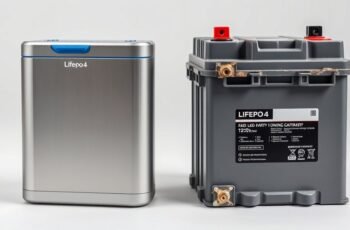
When designing an electric vehicle, we’ve noticed that switching from traditional lead-acid to LiFePO4 batteries can considerably reduce weight—sometimes by over 80%. This weight difference impacts performance, range, and overall efficiency. Understanding how these batteries compare in weight and why it matters could influence your choice for weight-sensitive applications. But what exactly makes LiFePO4 lighter, and is it enough to justify the investment?
Key Takeaways
- LiFePO4 batteries typically weigh between 2.5 to 4.0 kg per kWh, significantly lighter than lead acid batteries, which weigh 40 to 100 pounds.
- A 100Ah LiFePO4 battery weighs approximately 10 to 15 kg, whereas lead acid equivalents can weigh over 30 kg for similar capacity.
- The higher energy density of LiFePO4 results in a lighter overall weight for the same energy storage.
- Lead acid batteries are heavier due to their lead plates and larger electrolyte volume, impacting portability and system weight.
- Lighter weight of LiFePO4 enhances applications requiring weight savings, such as EVs, aerospace, and portable electronics.
How Do LiFePO4 and Lead Acid Batteries Compare in Weight?
When comparing the weight of LiFePO4 and lead acid batteries, it’s clear that lithium iron phosphate batteries are notably lighter for the same energy capacity. This difference stems primarily from their distinct battery chemistry, which influences energy density and component design. LiFePO4 cells have a higher specific energy, allowing more energy to be stored per unit weight. Additionally, manufacturing processes for LiFePO4 involve advanced material synthesis and precise cell assembly, resulting in more compact, lightweight modules. In contrast, lead acid batteries rely on heavier lead plates and larger electrolyte volumes, increasing weight. These fundamental differences in chemistry and manufacturing contribute markedly to the lower overall weight of LiFePO4 batteries, making them a more efficient choice where weight reduction is critical.
Why Is Weight a Critical Factor for Battery Choice?
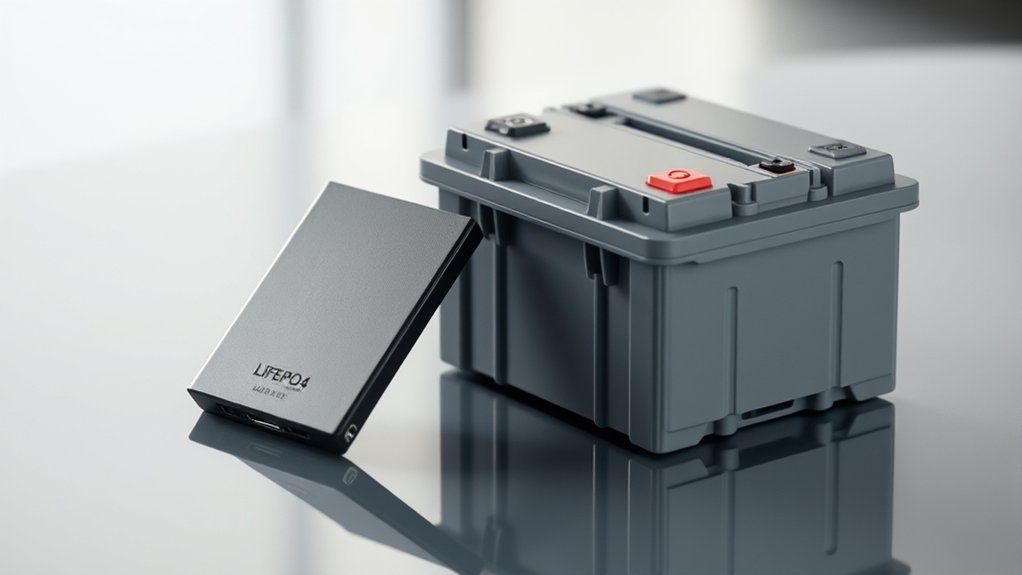
The significance of weight in battery selection becomes apparent when considering its impact on overall system performance and efficiency. Heavier batteries, such as traditional lead-acid types, can increase transportation costs and complicate installation, affecting operational logistics. Lighter batteries like LiFePO4 improve mobility and reduce structural stress on equipment. Additionally, weight influences battery maintenance; lighter packs are easier to handle and service, minimizing downtime. From an environmental perspective, lighter batteries facilitate more efficient recycling processes, lowering energy consumption during disposal. This weight factor directly impacts lifecycle management, ensuring sustainable practices. Hence, selecting a battery with ideal weight not only enhances system efficiency and ease of maintenance but also supports environmentally responsible recycling, making weight a critical consideration in the decision-making process.
What Is the Typical Weight of Lithium Iron Phosphate Batteries?

Lithium iron phosphate (LiFePO4) batteries typically weigh between 2.5 to 4.0 kg per kilowatt-hour, depending on design and manufacturer specifications. When comparing to lead-acid batteries, this weight difference considerably impacts overall system efficiency and portability. Analyzing average battery weights and the factors influencing them allows us to better understand their practical applications and performance trade-offs.
Average Battery Weight
Have you ever wondered how the weight of lithium iron phosphate (LiFePO4) batteries compares across different applications? On average, a 100Ah LiFePO4 battery weighs between 10 to 15 kg, notably lighter than traditional lead-acid equivalents. Manufacturing advancements have driven down the weight by optimizing cell design, while improved battery recycling techniques contribute to more sustainable, lightweight materials. The table below summarizes typical weights for various capacities:
| Capacity | Average Weight (kg) | Application Type |
|---|---|---|
| 50 Ah | 5–7 | Solar Storage |
| 100 Ah | 10–15 | RVs, Marine |
| 200 Ah | 20–30 | Off-grid Systems |
These weights reflect the trend toward lighter, more efficient batteries driven by manufacturing innovations.
Weight Comparison Factors
Understanding the typical weight of lithium iron phosphate (LiFePO4) batteries requires examining key factors that influence their mass. Primarily, cell chemistry and capacity determine overall weight, with higher capacities generally increasing mass proportionally. The design also plays a role; compact, lightweight builds optimize space but may impact thermal management and lifespan. Battery lifespan influences weight considerations, as longer-lasting batteries often incorporate more robust materials, adding to weight but reducing replacement frequency. Environmental impact factors into manufacturing choices, with eco-friendly materials potentially affecting overall density. Compared to lead acid batteries, LiFePO4 units tend to be lighter for equivalent capacity, but the precise weight depends on these interconnected factors. Ultimately, understanding these variables helps evaluate the practical and environmental benefits of LiFePO4 technology.
How Much Do Lead Acid Batteries Usually Weigh?
Lead acid batteries typically weigh between 40 to 100 pounds, depending on their size and capacity. This weight range is influenced by manufacturing processes, which determine the materials used and the construction methods. Heavier batteries tend to have thicker plates and more electrolyte, impacting overall weight but also battery safety by reducing risks like overheating or leakage. The manufacturing process directly affects consistency in weight and performance, as variations in plate design or electrolyte composition can alter weight and safety standards. These factors are essential when evaluating battery options, especially for applications where weight impacts system efficiency or safety considerations. Understanding the typical weight range helps in appraising the practical implications of battery safety and the manufacturing precision involved in producing lead acid batteries.
Which Applications Benefit Most From Lightweight Batteries?
Lightweight batteries are particularly advantageous in applications where reducing overall system weight directly enhances performance, efficiency, or portability. For instance, in electric vehicles and aerospace, lower weight improves energy efficiency and range, making lightweight batteries essential. Additionally, in portable electronics, minimizing weight extends usability and user comfort. These applications benefit from the ease of battery recycling, as lighter units simplify handling and disposal, supporting manufacturing sustainability. Reduced weight also decreases material consumption during production, aligning with eco-friendly practices. The capacity to incorporate lightweight batteries without compromising durability or capacity is vital for these sectors. Ultimately, the combination of improved performance, sustainability considerations, and streamlined recycling processes makes lightweight batteries indispensable in high-demand, weight-sensitive applications.
How Does Battery Size and Capacity Influence Weight?
As battery size and capacity directly impact weight, increasing either typically results in a proportional rise in overall mass. Larger capacity batteries require more active material, which depends heavily on battery chemistry and manufacturing processes. Lithium iron phosphate (LiFePO4) cells, for example, offer higher energy density than lead acid, allowing for smaller sizes at comparable capacities. The manufacturing process influences how compact and lightweight a battery can be for a given capacity.
| Battery Chemistry | Capacity Range | Typical Weight Increase |
|---|---|---|
| Lead Acid | 10-200 Ah | Higher for same capacity |
| LiFePO4 | 10-200 Ah | Lower for same capacity |
| Manufacturing Process | Bulk vs. precision | Affects overall weight |
| Size vs. Capacity | Small to large | Directly proportional |
| Material Density | Low vs. high | Impacts weight efficiency |
What Are the Long-Term Weight Benefits of LiFePO4 Batteries?
Over the long term, LiFePO4 batteries offer a significant reduction in overall weight compared to traditional lead-acid options, which enhances system efficiency and ease of installation. This lower weight also enables greater deployment flexibility, allowing for more versatile application in constrained or complex environments. Consequently, these weight benefits translate into operational advantages and cost savings over the battery’s lifespan.
Reduced Overall Battery Weight
When evaluating the long-term advantages of LiFePO4 batteries, their reduced overall weight emerges as a significant factor. This weight reduction contributes to easier handling and installation, while also minimizing structural load in various applications. Additionally, lighter batteries support enhanced battery durability, decreasing mechanical stress over time. The lighter design correlates with lower environmental impact, as reduced material usage and transportation energy are involved. Key benefits include:
- Decreased structural support requirements
- Improved energy-to-weight ratio
- Enhanced transportation efficiency
- Lower cumulative environmental impact
- Extended lifespan due to less mechanical strain
These factors collectively make LiFePO4 batteries a more sustainable and durable choice, emphasizing their long-term weight and environmental advantages over traditional lead-acid options.
Increased Deployment Flexibility
The lighter weight of LiFePO4 batteries considerably enhances deployment flexibility across various applications, allowing for easier transportation and installation in diverse environments. This weight reduction directly impacts logistical considerations, enabling quicker setup and minimizing structural support needs. Additionally, the superior battery longevity of LiFePO4 contributes to fewer replacements, reducing maintenance complexity and overall system weight over time. Environmentally, the decreased weight facilitates safer handling and lower transportation emissions, amplifying their eco-friendly profile. These factors collectively expand deployment options, especially in remote or constrained settings, where weight and environmental impact are critical. Consequently, the long-term weight advantages of LiFePO4 batteries promote adaptable, sustainable, and efficient energy solutions across multiple industries.
How Do Price and Weight Trade Off in Battery Selection?
While cost and weight are often viewed as separate considerations in battery selection, they are inherently interconnected, especially when comparing Lifepo4 and lead acid options. Heavier lead acid batteries generally involve lower upfront costs but incur higher lifecycle expenses, influenced by battery manufacturing efficiencies and environmental impact. Conversely, Lifepo4 batteries tend to have higher initial prices but lower weight, reducing transportation and installation costs. The trade-off involves evaluating:
- Lifecycle cost versus initial investment
- Manufacturing processes affecting environmental footprint
- System weight reduction benefits
- Long-term durability and replacement frequency
- Overall environmental impact of disposal and recycling
Balancing these factors is essential for ideal battery selection, especially when weight savings directly influence environmental sustainability and operational costs over the battery’s lifetime.
Which Battery Type Is Better Overall for Weight-Sensitive Uses?
In weight-sensitive applications, selecting the most suitable battery type requires a careful assessment of each option’s impact on system efficiency and operational costs. Lifepo4 batteries generally outperform lead-acid in weight efficiency due to advanced battery chemistry, offering higher energy density. Additionally, Lifepo4’s lower environmental impact—owing to fewer toxic materials and longer lifespan—favors sustainable use. To illustrate:
| Feature | Lifepo4 | Lead Acid |
|---|---|---|
| Energy density | Higher | Lower |
| Environmental impact | Less harmful | More hazardous |
| Weight efficiency | Superior | Inferior |
| Lifecycle | Extended | Shorter |
| Cost | Higher initial, lower long-term | Lower initial, higher over time |
Frequently Asked Questions
How Does Battery Weight Affect Vehicle Performance and Efficiency?
Battery weight directly impacts vehicle performance and efficiency; higher weight reduces acceleration and range. Lifepo4 batteries, with better material durability and higher battery density, enhance overall efficiency by offering lighter, more durable options compared to traditional lead acid batteries.
Are There Environmental Benefits Linked to Lighter Battery Weights?
Lighter batteries, like a feather in flight, reduce environmental impact by lowering manufacturing emissions and energy use. They enhance recycling benefits, minimize waste, and decrease resource extraction, ultimately supporting sustainable practices and reducing ecological footprints.
How Does Weight Influence Installation and Space Requirements?
Weight impacts installation and space, with lighter batteries like Lifepo4 benefiting from advanced material composition and manufacturing innovations, reducing space requirements and easing handling, ultimately optimizing system design and maintenance efficiency.
What Are the Safety Considerations Related to Battery Weight?
We recognize that battery weight impacts safety through handling and weight distribution, which influences stability during installation. Proper handling protocols and balanced weight distribution are essential to prevent accidents and guarantee secure, safe operation.
Can Weight Reduction Improve Overall Battery Lifespan?
Reducing battery weight can enhance durability by minimizing stress on internal materials, leading to less degradation over time. Optimizing material composition for lighter designs improves overall lifespan, making batteries more resilient and efficient in long-term applications.
Conclusion
Just as a skilled sailor chooses the lightest, most maneuverable vessel to navigate treacherous waters, selecting the right battery hinges on weight efficiency for ideal performance. LiFePO4 batteries, with their lighter weight and longer lifespan, serve as the agile vessel in demanding applications, while lead-acid batteries resemble heavier ships—more robust but less nimble. Prioritizing weight in our decision ensures we steer toward sustainable, high-performance solutions that meet our evolving energy needs.