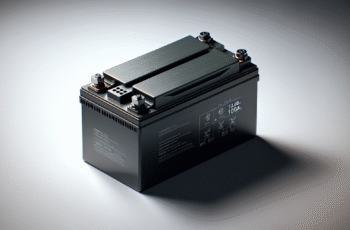
Are you trying to find a reliable 48V power source that will keep your golf cart, trolling motor, RV, or solar setup running without constant worry?

Product overview
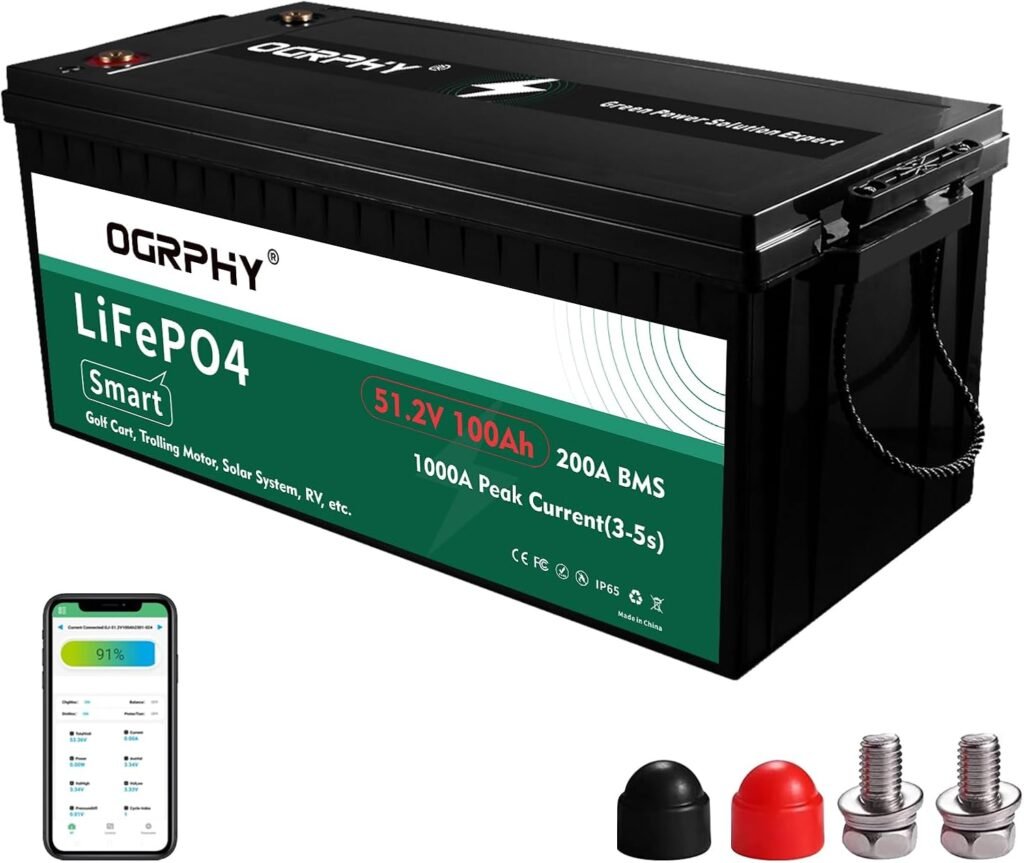
You’ll find the 48V 100AH Lithium Battery, Smart LiFePO4 with 200A BMS, 5.12kWh 48V Lithium Golf Cart Battery with 10.24kW Output, 1000A Peak Current for Golf Cart, Trolling Motor, RV to be a modern replacement for old lead-acid banks. It’s a LiFePO4 pack built from UL-certified grade A cells, claims a 10-year lifetime and 5000+ deep cycles, and integrates a high-performance 200A BMS with Bluetooth monitoring. Below you’ll get a thorough look at what this battery does, how it behaves in real use, and whether it fits your needs.
Key specifications (at a glance)
Here’s a compact breakdown of the important numbers so you can compare at a glance. You can use these to check compatibility with your motor, charger, or inverter.
| Specification | Value / Notes |
|---|---|
| Nominal Voltage | 48V (LiFePO4 pack) |
| Capacity | 100 Ah (5.12 kWh usable nominal energy) |
| Continuous Discharge | 200 A (BMS rated) |
| Peak Discharge | 1000 A peak (3–5 seconds) |
| Short high-current durations | 300 A for ~32 seconds, 600 A for ~32 seconds (product-stated) |
| BMS Features | 200A upgraded BMS, Bluetooth monitoring |
| Lifecycle | 10 years lifetime, 5000+ deep cycles (manufacturer claim) |
| Output capability | Stated 10.24 kW output (peak capability implication) |
| Typical applications | Golf carts, trolling motors (70 lb thrust example), RV, marine, solar |
| Safety | UL-certified cells, BMS protections (over/under-voltage, over-current, short circuit, temperature) |
Build quality and cells
You’ll appreciate that the pack uses UL-certified grade A LiFePO4 cells, which generally points to consistent manufacturing quality and safer chemistry. The build is designed for vehicle and mobile use, with protections integrated into the BMS to make under-seat or onboard placement safer than many older battery types.
Housing and durability
The casing and terminal layout are aimed at installation under the seat of golf carts or inside RV battery bays. You should still secure the battery against vibration and shock, and make sure terminals and connectors are tight and protected from moisture. The manufacturer’s 10-year lifetime claim reflects LiFePO4 chemistry’s long service life when used and charged correctly.

Performance
You’ll want to know how this pack behaves in normal and heavy-use scenarios. The 200A continuous rating and 1000A short-peak capability make it a strong performer for motors and higher-load situations.
Discharge behavior and what those currents mean
The 200A continuous discharge rating means you can run substantial loads for sustained periods without the BMS cutting out. The battery also offers very high short-term peak currents: up to 1000A for 3–5 seconds, with intermediate bursts (300A and 600A) allowed for tens of seconds per the product notes. This helps when motors need a surge of torque to start or climb a steep hill.
- You’ll rely on the continuous rating for normal cruising or trolling.
- The peak capability is useful for motor starts, stern-heavy acceleration, or sudden load surges.
Range and practical runtime for golf carts and motors
The battery’s 5.12 kWh energy capacity is the key number for estimating runtime:
- For a 3 kW golf cart motor, the manufacturer reports about 30 miles under test conditions. That example assumes moderate speed and course load; your actual range will vary with terrain, load, and driving style.
- For slower trolling motors (70 lb thrust example), you’ll typically get many hours at lower speeds, but runtime drops quickly at maximum throttle.
Estimate runtime roughly by dividing battery energy by average motor power draw:
- Example: 5.12 kWh / 3 kW ≈ 1.7 hours of continuous full-power operation (actual range depends on speed and conditions).
- If you run at half-power or use frequent coasting, the effective range increases significantly.
Charging times and recommended chargers
Charging time depends on your charger’s current rating and charging efficiency. Use these approximate examples so you can plan recharges around rounds of golf or overnight RV stays:
- Using a 20 A 48V charger (~1 kW output), you’ll see around 5–6 hours to recharge from near-empty to full, accounting for charging losses.
- Using a 50 A charger (~2.4 kW), you’ll see closer to 2–3 hours, again depending on charger efficiency and BMS charge limits.
You should use a charger designed for LiFePO4 chemistry and follow manufacturer recommendations. The pack’s BMS controls cell-level protection; a proper LiFePO4 charger ensures correct charge voltage and stage behavior.
Smart BMS and connectivity
You’ll find the built-in BMS is more than a protective device — it’s the battery’s brain, and with Bluetooth it becomes a diagnostic tool you can hold in your hand.
Bluetooth app features and monitoring
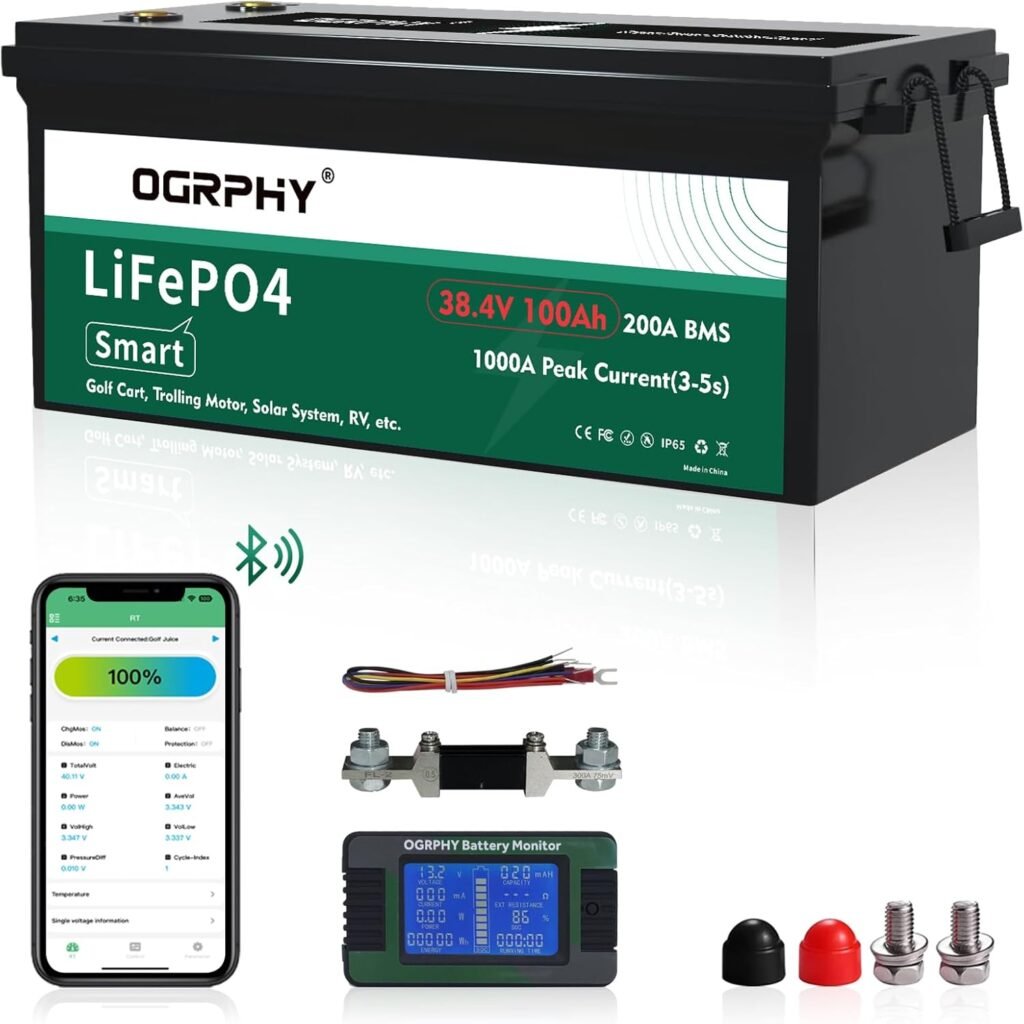
With the Bluetooth BMS you can connect your phone via the app indicated in the manual to see:
- State of charge (SOC) and remaining percentage
- Pack voltage, current in/out, and real-time power
- Cell voltages and any cell imbalance warnings
- BMS protections and error states
- Temperatures and historical logs (depending on firmware)
You’ll appreciate being able to check status from your phone before you head out, especially in multi-battery installations where tracking SOC accurately prevents unexpected cutoffs.
Protections the BMS provides
The BMS protects the pack against common failure modes you’d worry about with mobile use:
- Over-voltage and under-voltage protection to prevent cell damage
- Over-current and short-circuit protection to prevent dangerous fault currents
- Temperature protection to prevent charging or discharging outside safe ranges
- Cell balancing to maintain cell equality and extend cycle life
You should still use proper fusing and wiring to add layers of protection, but the integrated BMS greatly reduces the risk of catastrophic failure.
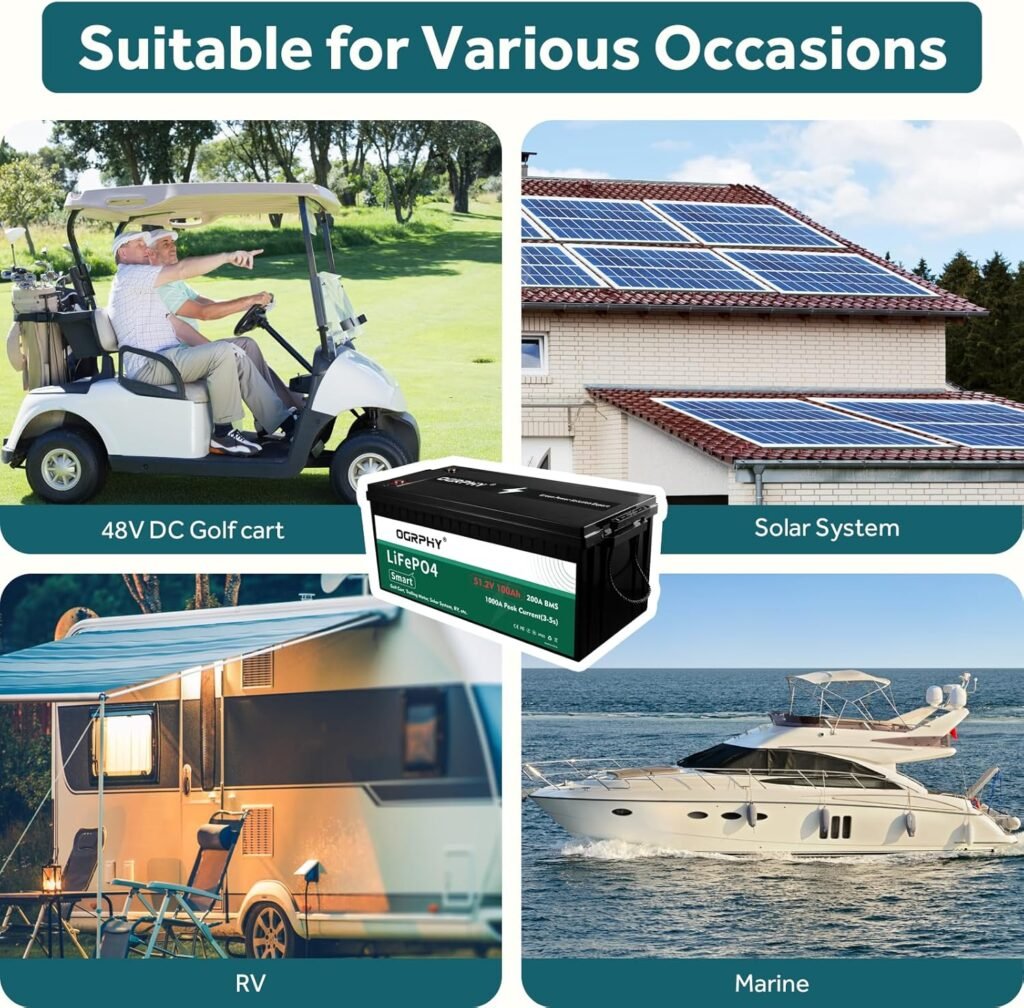
Applications and compatibility
You’ll find this pack versatile. It’s advertised as designed for golf carts, but the BMS and current capabilities make it useful in several other systems.
Golf carts
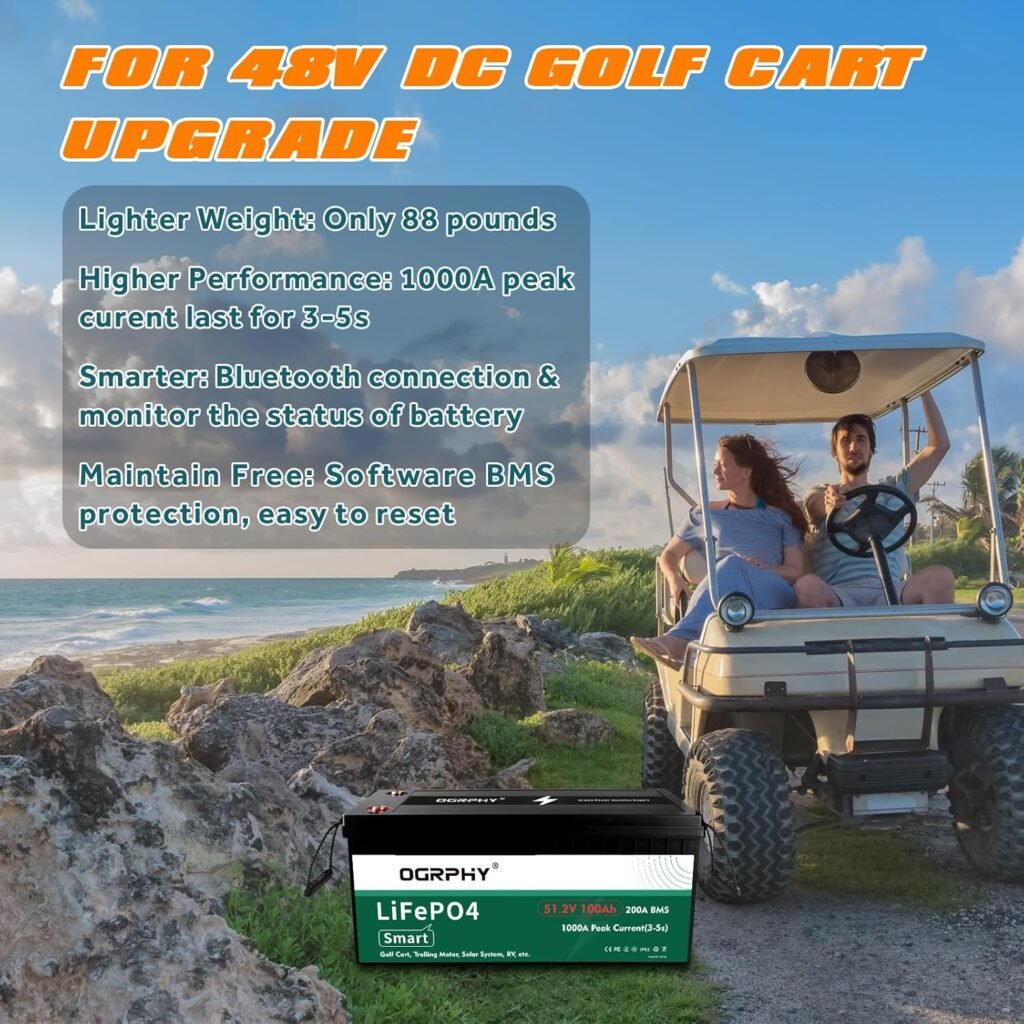
For golf carts, this is a direct replacement for lead-acid 48V battery banks. You’ll get:
- Far longer cycle life than lead-acid, so you won’t need replacement batteries every few years.
- Greater usable capacity — you can run deeper discharges safely — so a single 48V 100Ah LiFePO4 often matches or exceeds the usable energy of multiple lead-acid batteries.
You’ll want to ensure your charger and controller are set for LiFePO4 charging profiles and that the cart’s controller can handle the battery’s voltage and current capabilities.
Trolling motors and marine use
The battery is well-suited for high-thrust trolling motors (manufacturer mentions compatibility with 70 lb thrust motors). You’ll get:
- Low internal resistance for strong bursts of current during acceleration or when fighting current.
- Robust BMS protection suitable for marine conditions, although you should still ensure secure mounting and marine-grade connectors.
Be mindful of onboard charging and alternator behavior on boats; use an appropriate charger or DC-DC converter to charge the pack safely.
RV and off-grid solar
For RV or solar setups you’ll appreciate the long cycle life and consistent voltage:
- LiFePO4 supports deeper discharge and more cycles than lead-acid, so it’s favorable for off-grid daily cycling.
- The Bluetooth monitoring helps you manage loads and charging from solar chargers or inverters.
Make sure your inverter’s input voltage range and startup surge handling are compatible with the battery and that you size solar charge controllers and charge sources correctly.
Installation and wiring
You’ll want to install this battery securely and wire it correctly to make full use of its capabilities and keep it safe in mobile environments.
Mounting and placement
Mount the battery on a flat, solid surface and clamp it down to prevent movement. Under-seat placement on a golf cart is common, but ensure:
- Adequate clearance for ventilation and service access.
- Protection from direct water intrusion; while the pack has protections, connectors should be sealed.
- No unsecured hardware that could short terminals.
You should locate the battery where the BMS’s temperature monitoring will be representative of the pack’s actual temperature, not near heat sources.
Cable sizing, connectors, and fusing
Appropriate cable gauge and fusing are crucial for safety given the 200A continuous rating and high peak currents:
- For sustained currents near 200A, 2/0 AWG copper is a common recommendation. This handles continuous loads with acceptable voltage drop in short runs.
- For handling short peaks (hundreds of amps), use heavy-duty busbars or multiple parallel conductors and high-current connectors (4/0 may be used in high-peak systems).
- Always install an appropriately rated fuse or circuit breaker near the battery positive terminal. The fuse should be sized to protect wiring but large enough to allow normal peak currents that your system demands. Consult local electrical codes and a qualified technician.
Do not rely solely on manufacturer claims; verify current-handling with your wiring and component choices.
Safety and maintenance
You’ll want to know how to care for the battery so it lasts and stays safe in daily use.
Daily and periodic checks
Do these simple checks regularly:
- Inspect terminals and cables for tightness and corrosion.
- Use the Bluetooth app to check SOC and cell status before long trips.
- Look for BMS fault alerts; address any warnings immediately.
Storage and long-term care
If you store the battery for extended periods:
- Store at partial charge (around 40–60% is commonly recommended for LiFePO4), in a cool, dry place.
- Avoid freezing temperatures or sustained high heat; these can shorten life.
- Check voltage every few months and top up if the pack drifts low.
The BMS offers protection, but the best life comes from reasonable storage and periodic maintenance.
Temperature considerations
LiFePO4 likes moderate temperatures. Charging at very low temperatures can be harmful unless the BMS or charger supports cold-charge features. Discharging at low temperatures is generally more forgiving but still less efficient.
- Avoid charging below the temperature threshold specified in the manual.
- Keep the pack within its recommended operating range for maximum cycle life.
Comparing to lead-acid and other LiFePO4 packs
You’ll naturally want to compare this pack to alternatives. Here’s how it typically stacks up.
Versus lead-acid
Compared with a similar capacity lead-acid bank, you can expect:
- Much higher cycle life (thousands vs. several hundreds of cycles).
- Greater usable capacity per amp-hour because LiFePO4 supports deeper discharges without damaging the cells.
- Lower total weight and space usage.
- Higher upfront cost, but lower replacement and maintenance costs over time.
If you use your golf cart or RV frequently, LiFePO4 often pays off through reduced replacements and better performance.
Versus other LiFePO4 packs
Compared to other 48V LiFePO4 packs, this battery’s standout points are the high 200A continuous BMS, the 1000A peak rating, and Bluetooth monitoring. These features make it especially attractive for high-load applications like powerful golf motors and substantial trolling motors.
Be sure to look at BMS ratings, continuous discharge capability, warranty, and the vendor’s support policy when comparing alternatives.
Pros and cons
You’ll want a clear list to weigh the decision quickly.
Pros:
- Long claimed lifecycle (10 years, 5000+ cycles).
- High continuous discharge (200A) and very strong short-peak capability (1000A).
- Smart Bluetooth-enabled BMS for monitoring and diagnostics.
- Safer chemistry (LiFePO4) with multiple BMS protections.
- Versatile use: golf carts, trolling motors, RVs, marine, solar.
Cons:
- Upfront cost higher than lead-acid solutions.
- Peak current durations are short; sustained extreme loads still require appropriate hardware and wiring.
- Charger and system components must be set up for LiFePO4; older chargers/controllers may not be compatible without adjustment.
- You should follow installation guidelines closely for safety; improper wiring or undersized cables can negate the battery’s advantages.
Who should buy this battery?
You should consider this battery if you:
- Use a 48V system (golf cart, RV, marine) and want longer life and more usable energy than lead-acid.
- Need high short-term surge capacity for powerful motors or heavy loads.
- Want smart monitoring via Bluetooth to manage battery health and usage.
- Prefer a lower-maintenance solution with better cycle life for daily or frequent use.
If you only use a cart occasionally and want a lower upfront cost, the economics change; however, for regular users the lifecycle advantage of LiFePO4 tends to be compelling.
Installation checklist (quick)
You’ll find a short checklist useful when installing:
- Verify charger and motor controllers are LiFePO4-compatible.
- Use proper cable gauge for continuous and peak currents; consider 2/0 AWG for 200A continuous runs (consult an electrician).
- Install fuses or breakers rated to protect wiring and bank.
- Mount the battery securely with vibration isolation if possible.
- Pair Bluetooth and verify cell readings before initial service runs.
- Update any firmware if recommended by the manufacturer (follow official instructions).
Troubleshooting and tips
You’ll likely run into small issues occasionally; here’s how to handle common ones.
- Battery not pairing with Bluetooth: Make sure your phone’s Bluetooth is on, phone is within range, and the app is the one specified in the manual. Restarting the app or phone can help.
- Unexpected BMS cutoffs: Check for high current draws, short circuits, or extreme temperatures. Use the app to read fault codes and address wiring or load issues.
- Reduced range over time: Check cell voltages for imbalance with the app; perform a balance charge if the BMS supports it and ensure your charger completes the full charge cycle.
- Charger not filling battery: Confirm charger is set to LiFePO4 profile and supports the required charge voltage for a 48V LiFePO4 pack.
When in doubt, follow the manual and consult the seller or a qualified technician for high-current electrical work.
FAQs
You’ll have specific questions — here are common ones and concise answers.
Q: Can I use this battery to replace a bank of 6V lead-acid batteries?
A: Yes, if your system is 48V nominal. This single 48V pack replaces a series bank, but confirm physical dimensions and terminal location for fit and ensure charger/controller compatibility.
Q: How long will the battery last in real use?
A: The manufacturer claims a 10-year lifetime and 5000+ deep cycles. Real-world life depends on temperature, depth of discharge, charge rates, and maintenance, but LiFePO4 typically outlasts lead-acid by several years.
Q: Can you parallel multiple units for more capacity?
A: Parallel connection may be possible but must follow manufacturer guidance. Paralleling requires matched battery packs, appropriate cabling, and sometimes a master-slave configuration in the BMS. Consult the manufacturer or a professional before paralleling.
Q: Is it safe to mount under the golf cart seat?
A: The battery is designed for mobile use and has BMS protections, but ensure secure mounting, proper wiring, and protection from moisture. Follow the manual’s installation instructions.
Q: What charger should I use?
A: Use a charger specifically for 48V LiFePO4 packs. Charger current depends on how quickly you want to recharge; 20–50A chargers are common choices. Always use the charging profile recommended by the manufacturer.
Final recommendation
If you want a robust, long-lived 48V solution with strong continuous discharge and very high short-peak capability, you’ll find the 48V 100AH Lithium Battery, Smart LiFePO4 with 200A BMS, 5.12kWh 48V Lithium Golf Cart Battery with 10.24kW Output, 1000A Peak Current for Golf Cart, Trolling Motor, RV is a compelling option. The Bluetooth BMS makes monitoring easy, and the LiFePO4 chemistry brings greatly improved cycle life and usable capacity compared to lead-acid.
Before you buy, double-check physical fit, charger compatibility, and wiring requirements for your application. If you take care with installation and use a proper LiFePO4 charging system, this battery should give you consistent performance, excellent surge handling, and many seasons of reliable service.
If you want, tell me your application (golf cart model, motor power, wiring length, or RV inverter size) and I’ll help you verify compatibility and suggest wiring and charger options tailored to your setup.
Disclosure: As an Amazon Associate, I earn from qualifying purchases.